
I spend a lot of time wrestling kids off screens and into the backyard. These 17 outdoor activities for kids have become my reliable toolkit for turning restless energy into real play. They work because they mix movement, curiosity, and just enough structure to keep everyone engaged without feeling like homework.
Why These 17 Outdoor Activities for Kids Made My List
I picked these after years of trial and error with my own crew and watching what other families actually stick with. Cost, space, and age range mattered most. Most need almost nothing extra. A few require a quick trip to the store or a park. I skipped anything that demanded perfect weather or expensive gear. The goal stayed simple: get bodies moving, brains noticing details, and everyone coming back inside a little dirtier and a lot calmer.
1. Nature Scavenger Hunt: The Instant Adventure Starter
I print a short list or just shout items as we walk. A red leaf. Something smooth. A feather. Kids take off scanning the ground and bushes like tiny detectives.
The standout feature is how it turns a plain stroll into a mission. Younger ones hunt colors. Older ones tally finds or sketch them. I once watched my niece spend twenty solid minutes examining one pinecone because the list said “something with scales.” She forgot the tablet existed.
Honest caveat: the list has to stay short or they get overwhelmed and quit. Keep it to five or six targets max.
This one always resets the mood faster than any screen.
2. Family Bike Ride: Wheels and Wind
We roll out after dinner when the light softens. Sidewalks, quiet streets, or a nearby path all work. Helmets stay non-negotiable.
What I love most is the shared rhythm. You talk without forcing conversation. Kids point out dogs, weird mailboxes, or the house with the giant inflatable flamingo. One evening my son raced me to the stop sign and laughed so hard he almost crashed into a bush. Pure gold.
The trade-off is safety. Busy roads force you to stick to residential loops. Still worth it.
Pedal time beats couch time every single day.
3. Backyard Obstacle Course: Built in Ten Minutes
I drag out cones, jump ropes, a couple of chairs, and a hula hoop. Kids help design the path. Crawl under the rope. Hop the chalk circles. Balance along the low beam made from a 2×4.
The key payoff is ownership. When they invent the rules, they play longer. We time runs and cheer the new records. Last summer my daughter added a “spin three times” station that left everyone dizzy and giggling.
It can get chaotic if the yard is tiny. Scale it down. Use what you have.
Build it once and they will beg to run it again tomorrow.
4. Start a Small Garden: Dirt That Teaches
I handed each kid a pot and a packet of beans last spring. They watered, watched, and eventually harvested. Nothing fancy. Just soil, sun, and patience.
Why it sticks is the visible progress. A sprout appears. Then a leaf. Then a real bean. Kids who normally ignore vegetables suddenly want to taste the ones they grew. My youngest still talks about “his” tomato plant like it was a pet.
The downside is the waiting. Some seeds fail. That becomes its own lesson.
Growing something real beats buying it every time.
5. Picnic Anywhere: Blanket and Simple Food
We grab a blanket, sandwiches, and fruit, then plant ourselves under a tree or right in the grass. No destination required.
The magic is how ordinary food becomes special outdoors. Crumbs fall into the grass. Birds show up. Conversations stretch. One rainy-day version happened on the covered porch and still felt like an event.
Cleanup is messier than the kitchen table. Accept it.
Food tastes better when the ceiling is sky.
6. Sprinkler and Water Play: Instant Cool-Down
I turn on the hose, set the sprinkler to dance, and step back. Kids invent games on the spot. Run through. Jump over. Fill cups and dump them.
Bold truth: this is the highest energy burn for the lowest effort. On hot days it is the only activity that keeps them outside past the twenty-minute mark without complaints.
Water gets everywhere. Towels and a change of clothes become mandatory.
Nothing resets a cranky afternoon like cold water and sunshine.
7. Bug Hunt with Magnifying Glass: Tiny Discoveries
I hand over a cheap magnifier and say “find five different bugs.” They flip rocks, check leaves, and peer into grass.
The real win is the focus. Kids who bounce off walls suddenly sit still watching an ant carry a crumb. We talk about what the bug eats and where it lives. No lecture required. The questions come from them.
Some kids get squeamish. Let them observe from a safe distance.
Small creatures teach big attention skills.
8. Build a Fort or Fairy House: Imagination Headquarters
Sticks, leaves, old sheets, and a couple of chairs turn into a fortress or a tiny fairy village. I supply the materials and stay mostly hands-off.
What makes it special is the total ownership. They argue over design, solve problems, and invent stories. One afternoon the fort became a spaceship. The next day it was a bakery. The structure barely changed. The story did.
It collapses eventually. That is part of the fun. Rebuild.
Loose parts create the best play.
9. Sidewalk Chalk Masterpieces: Temporary Art
A bucket of chalk and a driveway is all it takes. They draw roads for toy cars, hopscotch boards, or giant self-portraits.
I love how temporary it feels. Rain washes it away and the next day is a blank canvas again. Pressure disappears. Creativity rises. My kids once created an entire town with street names and traffic rules.
Chalk dust ends up on clothes and in the house. Worth it.
Art that disappears still leaves a mark on the day.
10. Cloud Watching and Stargazing: Slow Down Mode
We lie on our backs and name the shapes. Later at night we count stars or try to spot the Big Dipper.
The quiet power here is the pause. No score to keep. No winner. Just looking up. One clear night my son whispered that the sky felt bigger than the house. That stuck with me.
Cloudy nights or light pollution can limit the view. Still try.
Looking up changes the whole mood of an evening.
11. Mud Kitchen or Mud Pies: Messy Science
Old pots, spoons, and a patch of dirt become a kitchen. Water turns dirt into “soup” or “cake.” Decorations come from leaves and pebbles.
Honest take: this is the activity that makes some parents nervous. Embrace the mess. The sensory input is huge. Kids mix, pour, and invent recipes for hours. My daughter once served me a “mud pie special” with a very serious face.
Rinse station afterward is non-negotiable.
Dirt under the fingernails is a sign of a successful afternoon.
12. Classic Tag and Freeze Tag: Pure Movement
One person is it. Everyone else runs. Freeze tag adds the statue rule. Boundaries stay clear.
I rate this high because zero equipment is required. It works in a small yard or a park. Kids invent new versions constantly. Shadow tag. Animal tag. The rules evolve and so does the laughter.
It can turn into tears if someone feels targeted. Watch the energy and switch roles often.
Running until you are out of breath is still the best free exercise.
13. Outdoor Yoga: Stretch and Breathe
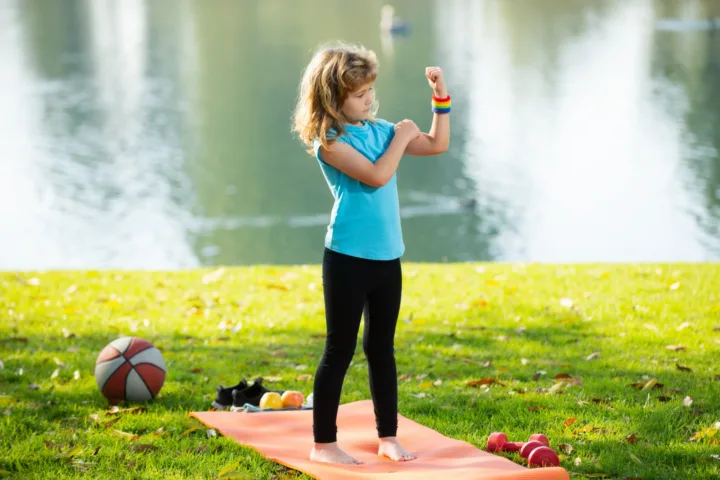
Mats or towels on the grass. Tree pose. Downward dog. Butterfly. We make it silly with animal names.
The calm payoff surprises me every time. After a loud morning this brings the volume down. Kids copy the poses and then invent their own. One session ended with everyone lying still listening to birds. Rare and perfect.
Younger kids lose interest fast. Keep sessions short.
A little stretch outdoors resets the whole family.
14. Rock Collecting and Painting: Pocket Treasures
We hunt for interesting rocks, bring them home, and paint them later or just sort by color and shape.
Why it works is the collecting instinct. Kids fill pockets and bags. Later they arrange them or turn them into pet rocks with faces. One boy in the neighborhood still has a painted rock collection from three summers ago.
Heavy bags can slow the walk. Set a limit.
Simple stones become special when you choose them yourself.
15. Backyard Camping: Night Under the Stars
Tent or just blankets and a flashlight. We eat outside, tell stories, and sleep under the open sky when weather allows.
The memory maker here is the overnight part. Everything feels bigger and braver. S’mores if we have a fire pit. Whispered talks after dark. My kids still request “camp night” even in the cooler months when we just set up the tent in the living room as practice.
Bugs and unexpected weather can disrupt plans. Have a backup.
One night outside creates stories that last years.
16. Kite Flying: Wind and Wonder
A simple dollar-store kite and an open field. Run, let the string out, and watch it climb.
What I notice is the pure delight when it finally catches the wind. Kids who struggle with patience learn it here. The kite teaches cause and effect without a single lecture. One windy afternoon we stayed until the string nearly ran out.
No wind means no flight. Check the forecast.
A kite in the sky still feels like magic.
17. Birdwatching with a Simple Guide: Quiet Observation
Binoculars optional. A free app or a basic bird book helps. We sit still and wait.
The quiet skill it builds is patience mixed with excitement. Spotting a bright cardinal or hearing a woodpecker becomes a shared win. Kids start noticing sounds they ignored before. My nephew once spent ten minutes tracking a single squirrel that he insisted was a rare bird. Close enough.
It requires stillness that some kids resist at first. Start short.
Paying attention to living things changes how kids see the world.
How to Choose the Right Outdoor Activity for Your Kids
Match the activity to the energy in the room. High-energy kids need the obstacle course or tag first. Quieter moods call for cloud watching or rock collecting. Weather decides a lot. Hot days lean toward water. Cool days favor walking or gardening. Space matters too. Apartment dwellers can still do chalk on the sidewalk or a scavenger hunt around the block.
Common mistake: overplanning. Kids often invent better versions once you start. Another mistake is giving up after one try. Some activities need a second or third session before they click. I personally reach for the scavenger hunt or sprinkler first when resistance is high. Those two almost never fail. Then I layer in something calmer later.
Watch what they return to on their own. That is the real ranking system.
Frequently Asked Questions
What are the best outdoor activities for kids who hate leaving the house? Start with water play or a scavenger hunt that has a clear prize at the end. Keep the first session short so they experience a win fast.
How do I choose among these 17 outdoor activities for kids if time is limited? Pick one that needs almost no setup. Bike ride, tag, or chalk art can start in under five minutes.
Are these outdoor activities for kids free or low-cost? Most cost nothing beyond what you already own. A few need cheap supplies like chalk or seeds. The expensive ones are optional.
What if the weather is bad? Many of these adapt. A covered porch works for picnics or yoga. Mud play still happens in light rain. Save the kite for better wind.
How much outdoor time do kids actually need? Research from groups like the National Wildlife Federation points to regular daily time outside for better focus, mood, and physical health. Even thirty focused minutes helps.
I keep a mental shortlist of these activities taped inside my kitchen cabinet. On the days when screens start winning, I grab one and walk outside first. The kids follow eventually. They always do. The dirt under the nails and the tired smiles at bedtime tell me the plan worked again.