
Autumn hits and the playground suddenly fills with crunch underfoot. I have spent years watching little ones in EYFS settings light up the second those leaves start falling. These 12 outdoor autumn activities EYFS children actually ask for again and again turn the season into hands-on discovery without needing fancy kit.
Why These Outdoor Autumn Activities for EYFS Stand Out
I picked these because they work with whatever weather turns up and fit the real developmental needs of two-to-five-year-olds. Every idea links straight to Understanding the World, Physical Development and Communication without feeling forced. I tested most of them myself with groups who would rather stay inside if given the chance. Honestly? The ones that survive sticky fingers and sudden rain showers made the cut. You get variety in sensory load, movement level and group size so you can mix and match on the day.
1. Nature Scavenger Hunt: The Ultimate Treasure Chase
I hand each child a simple picture list of autumn finds: a yellow leaf, a smooth stone, a pinecone, a shiny conker. Then we head out. They race around the garden or park spotting items and dropping them into baskets. The key feature is how quickly vocabulary explodes as they describe what they hold.
One October I watched a quiet three-year-old suddenly shout “crinkly!” after finding a dried leaf. That single word opened a whole conversation about texture. The only real trade-off is keeping an eye on the smaller ones who want to put everything in their mouths. Still worth it every time.
Take the list outdoors and let the hunt do the teaching.
2. Leaf Rubbing and Outdoor Art: Instant Masterpieces
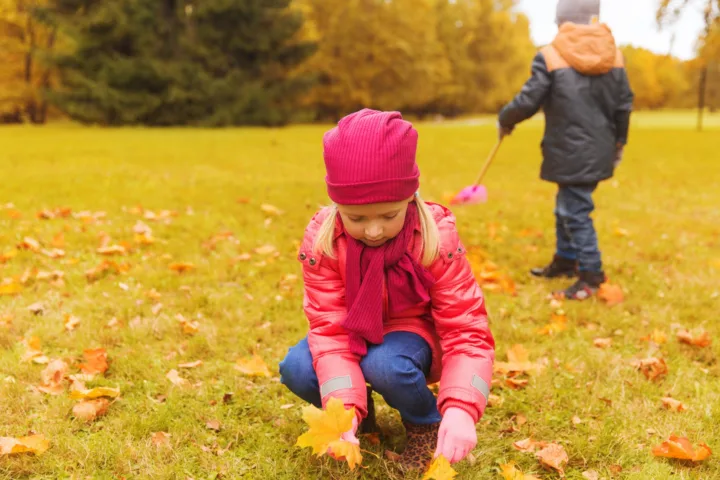
Collect leaves of different shapes right where you stand. Lay paper over them and rub with chunky crayons. The veins appear like magic. I love doing this on a low table outside so the children can keep gathering fresh leaves as they work.
Bold textures jump out and children compare oak against sycamore without any worksheet. My first attempt ended with more crayon on coats than paper, but the focus that followed was pure gold. Caveat: wet leaves smear, so pick a drier patch of ground if you can.
Watch their faces when the pattern shows up. Pure delight.
3. Conker and Acorn Counting Games: Maths in Disguise
Gather a pile of conkers and acorns. Line them up, sort by size, or drop them into numbered pots. I once set up a simple “feed the squirrel” station where children posted the right number of conkers into cardboard trees. Fine motor skills and early number sense arrived together.
The standout reason this works is that the objects feel good in small hands. They are heavy enough to notice yet light enough to carry. Just check for any cracked shells that might have sharp edges. I skip any that look dodgy.
Hands-on counting beats flashcards for this age group. Every single time.
4. Building a Bug Hotel: Homes for Tiny Guests
Stack sticks, bark, pinecones and dry leaves between a couple of bricks or in an old wooden crate. Children collect the materials themselves and decide where the “rooms” should go. I explain that insects need somewhere cosy for winter and they take the job seriously.
Creating shelter gives them a real sense of purpose. One group I worked with checked their hotel every day for weeks. The only downside is that the hotel needs a quiet corner so it does not get knocked over during free play. Place it well and it lasts all season.
Kids feel proud when they build something that helps living things.
5. Welly Walks and Puddle Jumping: Embrace the Wet
Pull on the boots and head out after rain. Jump in every puddle you find. Splash deliberately. Talk about the sounds and the way water moves. I still remember a four-year-old who refused to come inside because “the puddles need more jumping.”
Gross motor power and sensory joy arrive in one soggy package. The trade-off is obvious: wet clothes and muddy floors. Keep spare socks ready and lean into the mess. Autumn rain is free entertainment.
Splash first. Clean later. That is the rule.
6. Mud Kitchen Autumn Adventures: Potion Central
Set out old pans, spoons and a big tub of mud mixed with fallen leaves, petals and conkers. Children “cook” leaf soup or acorn stew for hours. I add a few pine needles for extra scent and watch the imaginative language pour out.
The best bit is how open-ended it stays. No right answers exist. One child told me her stew would “make the trees grow faster.” Perfect. Just remember to check the mud is free from anything sharp before you start.
Mess equals learning out here. Let it happen.
7. Building Mini Dens or Shelters: Cosy Hideaways
Lean sticks against a fence or low branch and drape a bit of fabric over the top. Add leaf floors and stone “furniture.” Children crawl inside with soft toys and stay for ages. I have seen entire role-play worlds unfold in a den the size of a small tent.
Imaginative play thrives when the space feels secret. The caveat is stability. Test the structure yourself first so nothing collapses on a child. Keep it simple and the dens become the favourite spot of the whole outdoor area.
A good den turns any ordinary afternoon into an adventure.
8. Leaf Pile Jumping and Treasure Hunts: Pure Joy
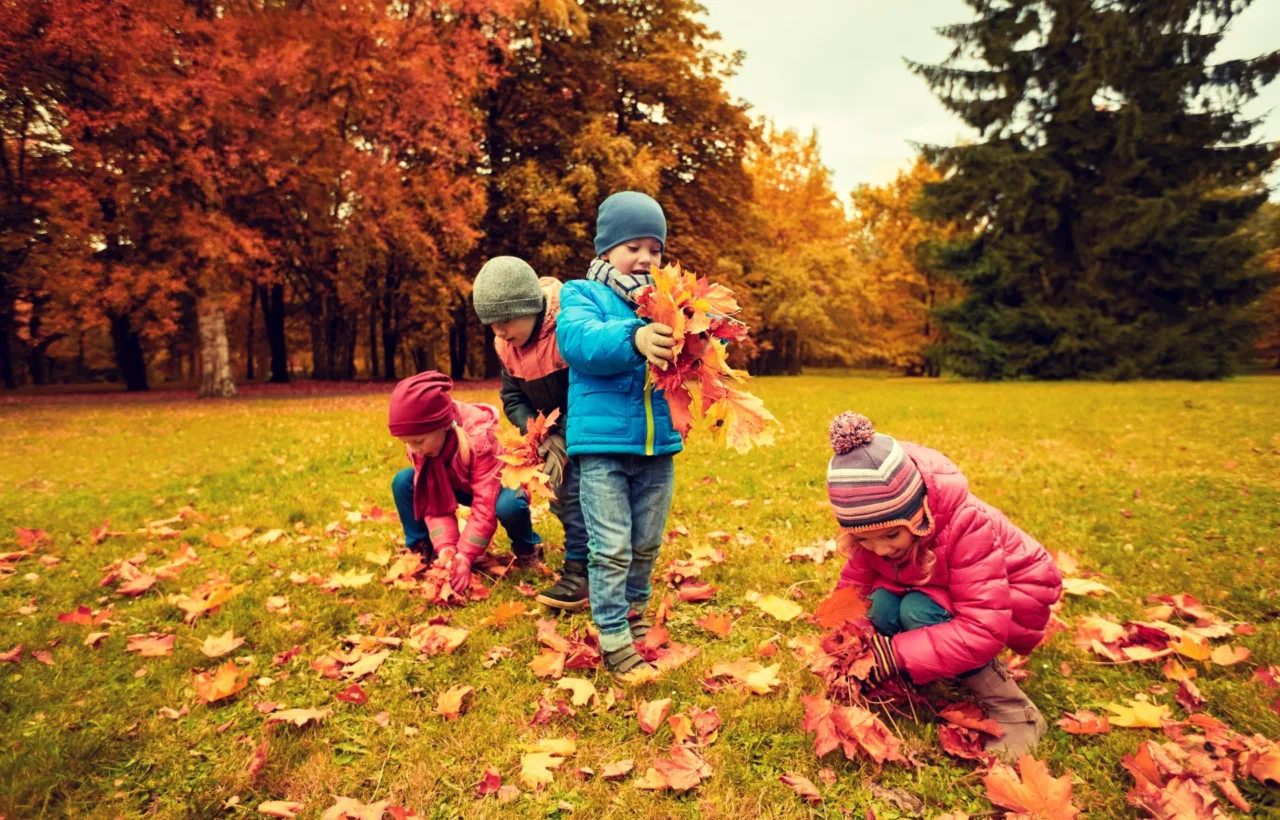
Rake a big pile of dry leaves. Hide a few plastic coins or natural treasures inside. Children jump, scatter and dig until they find them. The noise alone is worth the effort. I join in sometimes and the laughter multiplies.
Physical release meets sensory overload in the best way. Wet leaves stick and clump, so choose a dry spell if possible. Otherwise just accept the damp and keep going.
Jumping into leaves never gets old. Not for them. Not for me.
9. Outdoor Colour Matching: Rainbow Detectives
Give each child a paint chart or coloured card. Send them off to find natural items that match. Red leaves, brown bark, yellow petals. They bring their finds back and we compare. I love the focused looking this creates.
Observation skills grow fast when colour is the goal. The only real limit is the range of colours available that day. Some autumns are brighter than others. Work with what the trees offer.
Matching colours outside beats any worksheet. Hands down.
10. Pinecone Bird Feeders: Feeding the Visitors
Collect pinecones. Spread a thin layer of peanut butter or sunflower butter on them and roll in bird seed. Hang the feeders from low branches with string. Children watch for birds over the following days.
Caring for wildlife becomes concrete. One group I supported still talked about “their” robin weeks later. Check for nut allergies first and use a seed-only version if needed. Supervision while hanging is essential.
Seeing a bird actually use the feeder feels like magic to them.
11. Bark Rubbing and Texture Walks: Feel the Difference
Tape paper to tree trunks and rub with the side of a crayon. Move from smooth birch to rough oak. Walk further and feel moss, dry leaves and damp earth. I ask simple questions: “Does this feel bumpy or soft?”
Sensory language builds naturally. The paper sometimes tears if the bark is too ridged, so have extras ready. That small frustration rarely lasts long.
Touching the world teaches more than looking at it.
12. Wildlife Spotting and Animal Movement Games: Become the Creatures
Walk quietly and look for squirrels, birds or insects. Then act them out. Scuttle like a hedgehog. Leap like a squirrel storing nuts. Hide like a mouse. I model the movements first and the children invent their own.
Physical coordination and empathy for animals arrive together. The only caveat is keeping the group close enough that no one wanders off while pretending to be a bird. Clear boundaries help.
Moving like animals turns observation into full-body play.
How to Choose the Right Outdoor Autumn Activities for EYFS
I look at three things every time. First, the weather and the children’s current energy. High-energy groups get the leaf piles and puddle jumps. Quieter days suit the scavenger hunts and bark rubbings. Second, the space I have. A small garden still works for mud kitchens and bug hotels. A park opens up longer walks. Third, the learning focus that week. Maths day means conkers. Language day means colour matching and texture talks.
Common mistake I see: trying to do too many activities in one session. Pick two or three at most. Let the children linger. Another trap is over-planning. Leave room for the unexpected find that becomes the star of the afternoon. Honestly? The best sessions happen when I follow their lead after the first ten minutes.
If I had to pick only one for a brand-new group, I would start with the nature scavenger hunt. It gets everyone moving, talking and collecting at once. From there the rest grow naturally.
Frequently Asked Questions
What if the weather turns really wet? I still go out for short bursts with proper waterproofs. Puddle jumping and welly walks become the main event. Keep sessions under twenty minutes and have warm drinks ready afterwards.
How do I choose among these 12 outdoor autumn activities EYFS children enjoy most? Match the activity to the children’s current interests and the space available. High-movement groups love leaf piles and dens. Quieter observers shine with scavenger hunts and bird feeders. Start simple and build from there.
Are these activities safe for the youngest EYFS children? Yes, with close adult supervision and age-appropriate tweaks. Skip small conkers for babies and toddlers who still mouth objects. Focus on larger leaves, big sticks and supervised mud play instead.
Do I need special equipment? Almost nothing. Baskets, old pans, paper and crayons cover most of the list. Nature supplies the rest. That is the beauty of outdoor autumn play.
How often should we repeat these activities? As often as the children request them. Familiar activities deepen over time. A second or third bug hotel becomes more complex. A repeated scavenger hunt reveals new finds the children missed before.
I keep coming back to these twelve because they never feel stale. The season itself keeps changing the materials and the light. One crisp morning the leaves are golden. The next they are brown and damp. The children notice and the play shifts with them. Get outside with them this autumn. Let the leaves, the mud and the puddles do most of the work. You will see the curiosity bloom right in front of you.