
I spend a lot of time outside with little ones, and these 12 outdoor nursery activities have become my go-to list for days when indoor walls start feeling too close. Fresh air changes everything for curious toddlers and preschoolers. They move more, notice more, and settle into play that actually sticks.
Why These 12 Outdoor Nursery Activities Made My List
I picked these because they work in real gardens, parks, and nursery yards without needing fancy gear. Most use sticks, mud, water, or chalk. I tested them with groups of two-to-five-year-olds and watched what held attention longest. Sensory play, movement, and simple nature observation ranked highest. I left out anything that required constant adult direction or expensive kits. These twelve keep kids engaged while quietly building motor skills, language, and a feel for the outdoors.
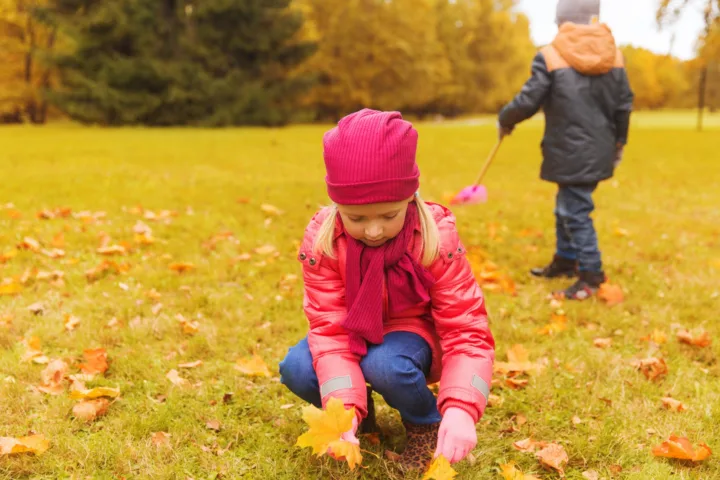
1. Nature Scavenger Hunt: The List That Sparks Real Looking
I hand out a short list of three or four things: a smooth stone, something yellow, a feather, a leaf bigger than a hand. Then I step back. Kids scatter. They crouch, pick up, hold items to the light, and argue gently over whether a stick counts as “interesting.”
Observation skills grow fast here. I once watched a quiet three-year-old fill a whole bag with bark pieces because the list said “something rough.” She sorted them later by size. That quiet focus stayed with her for the rest of the morning.
One honest caveat: keep the list short for under-threes or they lose interest halfway. Older preschoolers handle longer lists and start inventing their own categories.
Simple lists win every time.
2. Mud Kitchen Adventures: Mess That Builds Language
I set up a corner with old pots, wooden spoons, a few containers, and a patch of dirt that can handle water. Kids mix, pour, decorate “cakes” with leaves and pebbles, and run imaginary cafés for half an hour straight.
Sensory and social play collide in the best way. I remember one afternoon when two four-year-olds spent twenty minutes negotiating the price of mud soup. Their vocabulary jumped. Words like “sticky,” “pour,” and “share” came out naturally because the play demanded them.
The trade-off is clear: you will have muddy clothes and shoes. I keep a towel and change of clothes ready. Worth it.
Mud kitchens turn dirt into stories.
3. Sand and Water Play: The Classic That Never Gets Old
A sandpit or large tub of water plus cups, funnels, and scoops keeps groups busy longer than almost anything else I have tried. Pouring, scooping, building, and watching water drain teach early science without a single worksheet.
Fine motor strength and early physics show up fast. Kids learn volume by filling and dumping. They discover that wet sand holds shape better than dry. I once left a group with just a few kitchen utensils and came back to an elaborate system of rivers and dams they had engineered themselves.
Supervision near water stays non-negotiable. Beyond that, the setup is forgiving. Kitchen items work fine if you do not own special toys.
This one earns its place through pure staying power.
4. Building a Bug Hotel: Homes for Tiny Neighbors
I gather sticks, leaves, cardboard tubes, and pinecones with the kids and stack them into a simple structure in a quiet corner. Then we wait and check back over days and weeks.
Curiosity about living things grows without lectures. Children return to the hotel, peer inside, and report new visitors. One group I worked with named every beetle they spotted and kept a running tally on a stick with chalk marks.
It takes patience. Results are not instant. Some hotels stay quiet for a while. That waiting itself teaches something useful.
Bug hotels turn waiting into discovery.
5. Growing Vegetables and Flowers: Seeds That Demand Care
I give each child a small pot or a corner of a raised bed, a few seeds (sunflowers or beans work well), and a child-sized watering can. We plant together, then check daily for shoots.
Responsibility and life cycles become real when the first green tip appears. I still remember a toddler who refused to leave the garden until she had watered “her” bean every single day for a week. The pride when it sprouted was pure.
Weather can slow things down, and some seeds fail. I treat that as part of the lesson rather than a failure. Fast-growing options help keep interest high.
Watching something grow changes how kids see the ground under their feet.
6. Birdwatching with Simple Feeders: Quiet Observation Time
I hang a basic feeder or scatter seed on a clear tray and sit with the children at a distance. We watch who arrives, count visits, and sometimes sketch what we see.
Patience and close looking develop here. Birds come and go on their own schedule. Kids learn to stay still and quiet if they want a better view. One quiet morning a group spotted three different birds and spent the next ten minutes comparing colors and sizes without any prompting from me.
Feeders need regular topping up, and squirrels sometimes steal the show. Still worth the small effort.
Birds turn ordinary mornings into tiny events.
7. Rainy Day Adventures and Puddle Jumping: Weather as the Playground
I send kids out in proper waterproofs and let them jump, splash, catch raindrops in buckets, and watch how the ground changes. Rain is not a reason to cancel outdoor time. It is the activity.
Sensory play and resilience arrive together. The sound, the cold splash, the way mud forms underfoot—all of it registers differently than dry play. I have seen reluctant kids turn into puddle experts after one good session.
The caveat is clothing. Wet socks end the fun fast. Good kit matters.
Rain becomes the invitation instead of the obstacle.
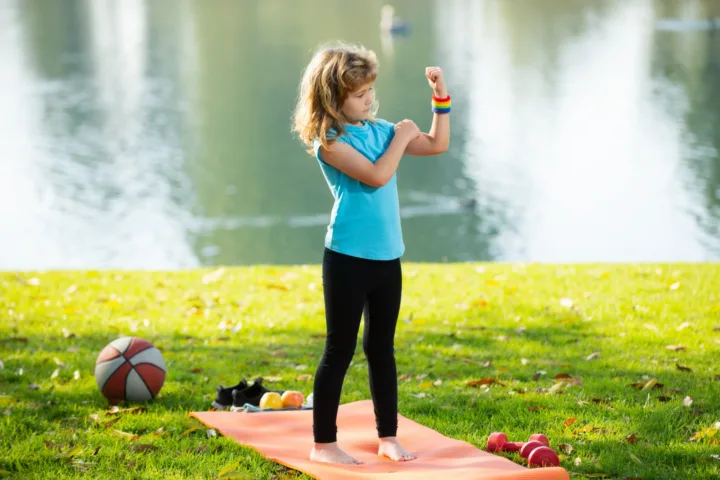
8. Mini Obstacle Courses: Movement That Builds Confidence
I use cones, hoops, cushions, or just chalked lines and natural logs to create a short course. Crawl under, jump over, balance along, step through. Kids run it, then redesign it.
Gross motor skills and problem-solving get a workout. One preschooler who usually hung back on climbing suddenly tackled every section once she helped build the course herself. Ownership changed everything.
Courses need adjusting for different ages and abilities. Keep it short and changeable so it stays fresh.
Movement feels better when kids help invent the path.
9. Chalk Games and Drawing: Learning That Washes Away
I hand out chunky chalk and let kids draw roads, hopscotch grids, shapes, numbers, or entire imaginary worlds on pavement or a wall. Rain cleans the slate for next time.
Number recognition, balance, and creative risk-taking all show up. The temporary nature removes pressure. Kids try bigger ideas because nothing lasts forever. I watched a group invent a chalk town complete with traffic rules and spent an hour enforcing them with great seriousness.
Chalk works best on dry days and hard surfaces. Stock up on colors. It disappears fast in enthusiastic hands.
Chalk turns the ground into a canvas that forgives mistakes.
10. Leaf Printing and Nature Art: Art That Starts Outside
We collect leaves of different shapes, paint one side, and press them onto paper. Sometimes we make collages with petals, twigs, and stones right on the ground for temporary art.
Creativity meets texture and shape in a way indoor art rarely matches. Kids notice veins and edges they ignored before. One afternoon a child pressed the same leaf three times in different colors and declared it a family. That kind of storytelling sticks.
Paint can get messy, and wind can steal light leaves. I keep a tray handy and work on calmer days when possible.
Nature supplies the materials. Kids supply the ideas.
11. Outdoor Storytime: Books Under the Sky
I take a favorite picture book outside, find a shady spot or a blanket under a tree, and read. Sometimes we act out parts with sticks or leaves as props.
Language and calm focus improve when the setting changes. Birds, wind, and distant sounds become part of the story atmosphere. Children settle differently outdoors. I have finished entire books with groups that usually fidgeted indoors.
Weather and noise can interrupt. Choose shorter books or familiar favorites on breezier days.
Stories feel bigger when the sky is the ceiling.
12. Sensory Nature Walks: All Five Senses on the Move
We walk slowly and stop often. What do you hear? What can you smell? What does this bark feel like? Bare feet on grass when safe. Eyes closed for a moment to listen harder.
Sensory awareness and vocabulary expand because the world itself provides the prompts. Kids describe textures and sounds they would skip over at normal walking pace. One group spent five full minutes just listening to leaves after I asked them to close their eyes.
Safety checks matter—glass, sharp sticks, insects. I scan the path first and keep the group close.
Slow walks teach kids to notice what is already there.
How to Choose Among These Outdoor Nursery Activities
I match the activity to the energy in the room and the weather outside. High-energy mornings get obstacle courses or puddle jumping. Quieter afternoons suit birdwatching or outdoor storytime. Mixed groups do well with scavenger hunts or mud kitchens because kids can engage at different levels.
Common mistakes I still catch myself making: over-planning the materials, expecting every child to love the same thing, and giving up too soon when the first five minutes look chaotic. Most of these activities need a short settling period. Let that happen.
If I had to pick only three for a brand-new outdoor space, I would start with a mud kitchen corner, a simple sand or water setup, and regular scavenger hunts. Those three cover sensory, motor, social, and observation skills with almost no ongoing cost. The rest build out from there once the children show what they reach for most.
Rotate seasonally. Leaves and seeds change. Rain becomes a feature instead of a problem. Birds visit more in winter. The list stays useful all year because the outdoors keeps offering new versions of the same invitations.
Frequently Asked Questions
What is the best outdoor nursery activity for beginners? Start with a short nature scavenger hunt or simple chalk drawing. Both need almost no setup and let you watch how the children respond before adding more complex options.
How do I keep 12 outdoor nursery activities fresh for the same group of children? Change one small element each time. New list items for the scavenger hunt, different seeds for planting, or a rearranged obstacle course. Kids notice the variation and treat it as new.
Do these activities work in small outdoor spaces? Yes. Most of them adapt to a courtyard, a small garden, or even a paved area with a few tubs and a planter. Focus on portable versions like water play in containers or leaf printing on a tray.
What should I watch out for with safety? Scan for sharp objects, supervise water closely, check plants for anything toxic, and dress for the weather. Risky play is valuable, but serious hazards are not.
How often should outdoor nursery activities happen? Daily is ideal when possible. Even twenty to thirty minutes of focused outdoor time adds up. Consistency matters more than perfect conditions.
I keep returning to these twelve because they deliver what little children actually need: space to move, materials that respond, and time to notice the world without rushing. The learning sneaks in while they are busy being kids. That is the part I trust most.