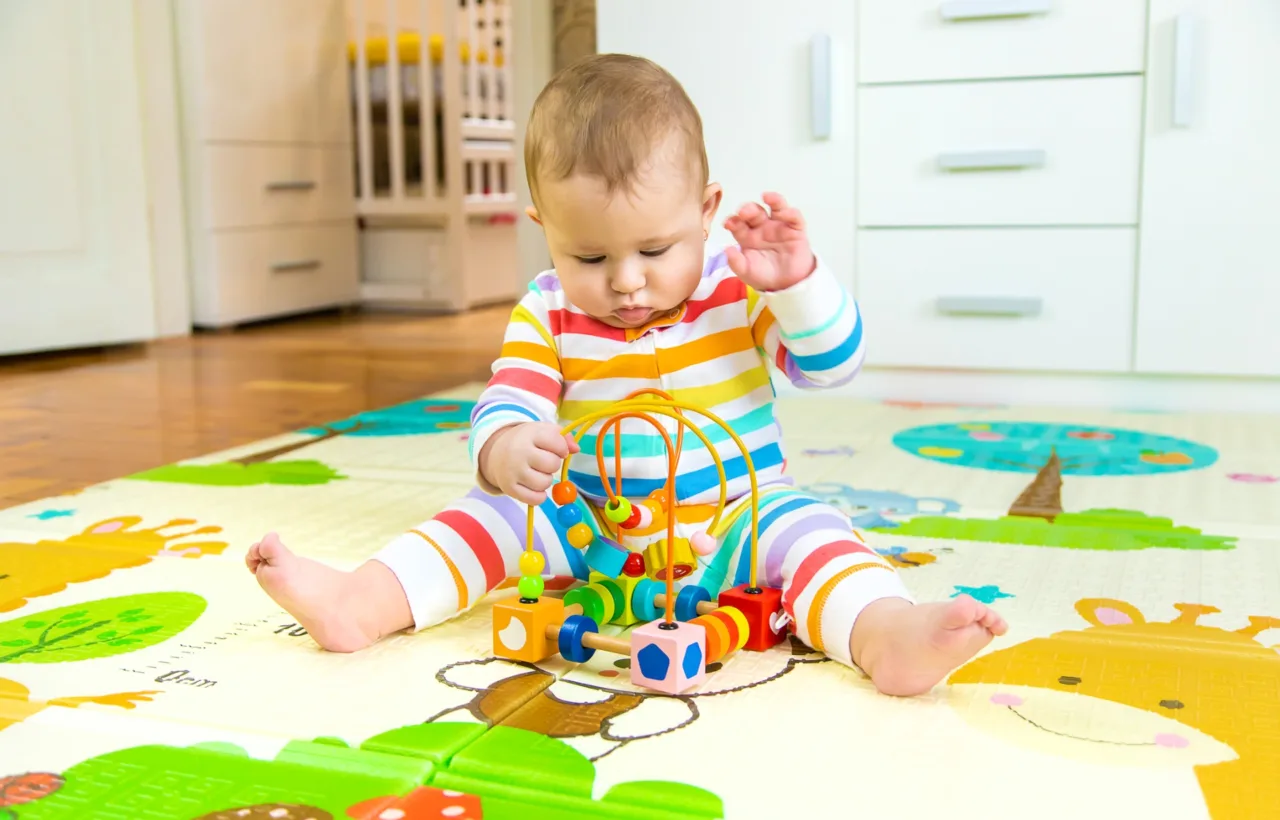

Rainy days and long afternoons hit different when you have an 18-month-old. I learned that the hard way after one too many afternoons of pacing the living room while my toddler climbed the furniture. These 15 indoor activities for 18month old little ones became my go-to toolkit. They use stuff I already had at home and actually match what toddlers this age can do.
I picked activities that support the big leaps happening right now: better walking, early stacking, short bursts of pretend, and that endless urge to dump and pour.
Why These Indoor Activities for 18-Month-Olds Made My List
I spent weeks testing what held my toddler’s attention longer than three minutes. Honestly? Most fancy toys lost fast. The winners shared a few things. They used everyday objects. They let my kid move or use their hands. They matched the short attention span without needing constant setup.
See, I stopped chasing perfect activities and started looking for ones that built real skills while burning energy. These twelve rose to the top because they work in small spaces, require almost no prep, and give me a chance to sit down for a minute. Safety stayed front and center. I skipped anything with small parts that still go in mouths.
1. Kitchen Cabinet Exploration: The Ultimate Free Entertainment
I opened one low cabinet and filled it with plastic containers, wooden spoons, and measuring cups. That was it. My toddler pulled everything out, banged lids, and stacked bowls for a solid twenty minutes.
This activity builds independence and cause-and-effect learning. Kids at this age love mimicking real life. Letting them rummage in a safe space satisfies that need without the chaos of every drawer in the house.
One caveat: I had to stay nearby. Things still got dumped on the floor. But cleanup stayed easy because I limited the items. Start with three or four pieces. Watch how fast they figure out nesting cups.
This one still saves my sanity on tough mornings.
2. Cushion Obstacle Course: Energy Burner That Builds Balance
I pulled every couch cushion onto the floor and made a simple path. Crawl under a blanket tent. Climb over two pillows. Walk across a line of books. My toddler treated it like a personal playground.
Gross motor skills jump forward at 18 months. This course gives them safe practice with climbing, balancing, and problem-solving. I added a soft ball at the end for a final throw. The whole thing took five minutes to set up and kept us moving for much longer.
Honestly? Some days the course got rebuilt three times. That is fine. The repetition is the point. Keep the path short so they finish and want to try again.
3. Sensory Bin Digging: Hands-On Discovery Without the Overwhelm
I filled a shallow plastic bin with dry oats and dropped in a few plastic cups and scoops. My kid sat and poured for ages. For younger mouths still exploring, I switched to Cheerios or large pasta shapes and supervised the whole time.
Sensory play lights up the brain at this stage. Scooping and dumping refine fine motor control while the texture keeps interest high. I always used a towel underneath. Mess stayed contained that way.
One trade-off: oats get everywhere if you look away. Still worth it for the focus it creates. Rotate the filler every week or two so it feels new.
4. Stacking Blocks and Knocking Them Down: Classic Skill Builder
Simple wooden blocks or plastic stacking rings worked best. I started with just a few so success came quick. My toddler stacked two or three, then delighted in knocking the tower over.
By 15 to 18 months most kids can stack at least two objects. This activity strengthens hand-eye coordination and teaches size order. I sat nearby and modeled stacking without taking over. The crash at the end always got the biggest laugh.
Keep the blocks large enough to avoid choking risks. That single rule made this one of my lowest-stress options.
5. Water Pouring Station: Controlled Splash Time
I set two small pitchers and a shallow tray on the kitchen floor. A little water in one pitcher. My toddler poured back and forth, watching the liquid move. Spills happened. That is the lesson.
Water play builds wrist control and concentration better than almost anything else I tried. It also feels purposeful. I kept sessions short and used a towel for quick cleanup. Never left the room. Even shallow water needs eyes on it.
This one became a daily reset button when energy ran too high.
6. Music and Dance Party: Instant Mood Lifter
I turned on a playlist of simple songs and handed over a wooden spoon and plastic bowl. We marched, spun, and banged along. Some days we just bounced to the beat.
Music time supports rhythm, language, and big body movement all at once. I noticed more smiles and fewer meltdowns after these sessions. No special instruments required. Pots and pans work fine.
The only downside is the noise level. I saved this for when the neighbors were already awake.
7. Playdough Squishing and Rolling: Quiet Fine Motor Work
Store-bought or homemade dough both worked. I gave my toddler a small ball and showed how to poke, roll, and smash. Chunks of dough got pressed flat with both hands.
This strengthens the little muscles needed for later writing and self-feeding. It also calms an overstimulated kid. I stayed close because dough still gets tasted at this age. A simple wipe-down kept things manageable.
Honestly? Some batches lasted only ten minutes before the dough went in the bin. Still better than screens.
8. Chunky Crayon Scribbling: Early Creative Freedom
I taped a large sheet of paper to the floor and handed over thick washable crayons. My toddler gripped them in a fist and made big marks. No pressure for shapes or pictures.
Scribbling builds grip strength and hand-eye coordination. At 18 months the process matters more than the product. I praised the effort and ignored the random lines. Floor setup prevented the paper from sliding away.
One honest note: crayons still rolled under furniture. I kept only two or three out at a time.
9. Interactive Board Book Time: Language Boost Without Force
I chose books with flaps or simple pictures of everyday objects. We sat on the floor and I pointed while naming things. “Where is the dog?” My toddler started pointing back after a few days.
Reading builds vocabulary and attention better than almost any other quiet activity. Short sessions work best. I followed their lead when interest faded. Board books survived the chewing stage.
This became our wind-down ritual before naps.
10. Simple Pretend Play with Everyday Objects: Imagination Spark
I set out a toy phone, a small spoon, and a stuffed animal. I modeled feeding the animal or “talking” on the phone. Then I stepped back. My toddler copied the actions in short bursts.
Pretend play starts emerging around this age for many kids. It supports language and social skills. Household items worked better than elaborate toys. The key was keeping the setup simple so they could succeed.
Some days they just carried the spoon around. That still counted.
11. Balloon Batting Keep-Up: Slow-Motion Gross Motor Fun
I blew up one balloon and showed how to bat it gently. The slow float gave my toddler time to track and hit it. We kept it going as long as possible.
This builds hand-eye coordination and balance without the intensity of a regular ball. The balloon rarely went far, so frustration stayed low. I always supervised because balloons can pop.
Perfect for small spaces when outdoor play was not an option.
12. Laundry Helper and Simple Chores: Real Contribution Time
I handed over one sock at a time and pointed to the open hamper. My toddler walked it over and dropped it in. Same with wiping a low table with a damp cloth.
Practical life tasks give toddlers a sense of purpose. They love helping at this age. I kept expectations realistic. One or two items per turn worked best. The pride on their face after finishing made the extra minutes worth it.
This one still feels like a quiet win every time.
How to Choose the Right Activity for Your 18-Month-Old
I look at energy level first. High energy calls for the obstacle course or dance party. Low energy points toward books or sensory bins. Time of day matters too. Morning sessions can handle more movement. Late afternoon needs calmer options.
Watch for signs of readiness. If stacking two blocks still frustrates them, stick with simpler dumping and pouring. Safety rules stay non-negotiable. Supervise water and anything that could go in the mouth. Rotate a few activities instead of offering everything at once. Too many choices overwhelm both of you.
I personally reach for the cushion course and sensory bin most often. They burn energy and hold attention without fancy supplies. Start with three or four from this list and build from there. Your toddler will show you what clicks.
Frequently Asked Questions
What are the best indoor activities for an 18-month-old who still mouths everything? Stick with larger items like cushions, big blocks, and supervised water play. Avoid small sensory fillers until mouthing slows down. Oats or large pasta can work if you stay right next to them.
How long should these activities last? Most hold attention for five to fifteen minutes. That is normal. Short bursts add up. Cycle through two or three in a morning and call it a success.
Which activity works best if I need a few quiet minutes? Interactive books or playdough usually give the longest stretch of calm focus. Set them up in a contained space so you can sit nearby.
Do I need special toys for these 15 indoor activities for 18month old toddlers? No. Household items cover almost everything on this list. A few plastic cups, cushions, and paper handle the majority of the work.
What if my toddler ignores an activity? Put it away and try again another day. Interest changes fast at this age. Keep the ones that get repeated play and swap the rest.
These activities turned our indoor days from survival mode into something closer to fun. I still reach for the same simple setups months later because they keep working. Pick one that fits your space and energy today. Start there. Your 18-month-old will show you the rest.