
I have spent more rainy weekends than I can count turning my living room into a campsite. These 13 indoor camping activities keep the adventure alive when the weather refuses to cooperate. My kids still talk about the nights we stayed inside more than some of the actual trips we took outdoors.
Why These 13 Indoor Camping Activities Made the Cut
I picked every activity on this list because I have actually done it with my family. No fancy gear required for most of them. I focused on things that work for mixed ages, create real memories, and feel different from regular screen time. Some need almost zero prep. Others give you a solid hour of focused fun. I left out anything that felt forced or required a shopping spree.
Honestly? The best indoor camping nights happen when you stop trying to recreate the outdoors perfectly and just lean into the cozy version.
1. Blanket Fort Tent City: Your Living Room Basecamp
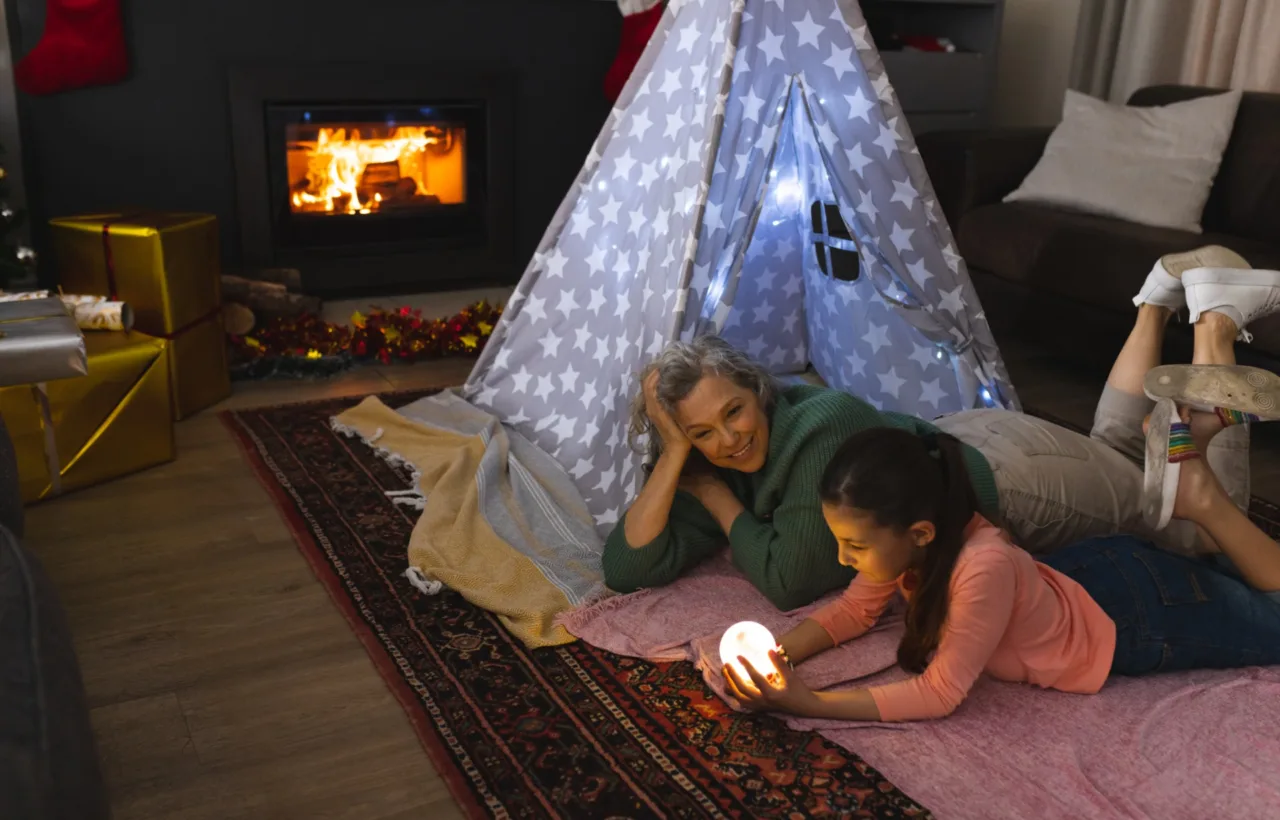
I start every indoor camping night the same way. I push the furniture against the walls and drape every blanket and sheet I own over chairs, tables, and the couch. The kids help. That part matters. They claim their corners and stuff pillows inside until it feels like a real shelter.
The key is layering lights. Fairy lights or battery lanterns inside turn the fort into something special. One time I used a couple of old camping tents instead of blankets. The kids still prefer the fort version because they can rebuild it every time.
Caveat: it takes over the whole room. You will trip on a chair leg at least once. Worth it.
Build the fort first. Everything else flows from there.
2. DIY Pretend Campfire: The Heart of the Night
No real fire needed. I stack a few logs or cardboard tubes in a circle on the floor. Battery candles go in the middle. Orange and yellow tissue paper on top. Sometimes I point a small fan underneath so the paper flickers.
We sit around it on camping chairs or just the floor. The glow does something to the mood. Conversations stretch longer. Songs come out of nowhere.
I tried streaming a campfire video on the TV once. It worked fine, but the physical setup feels better. People lean in closer.
Keep the real candles out of reach if little ones are around. The battery version still delivers.
This one sets the tone for the whole evening.
3. Glow-in-the-Dark Star Ceiling: Instant Night Sky
I stick glow stars on the ceiling during the day so they charge under the lights. At night I turn everything else off. Suddenly the living room has a sky.
You can buy the stickers cheap or make your own with glow paint on paper. I once used a cheap star projector. The kids named the constellations after our pets.
The best part is the quiet that follows. Everyone lies back and stares up. It slows the energy in a good way.
The stickers leave residue if you leave them up too long. I peel them the next morning.
Look up. That is the whole point.
4. Indoor S’mores Station: Sticky and Perfect
I line a sheet pan with graham crackers, chocolate, and marshmallows. Broil for a few minutes until the tops brown. Or use the microwave for the impatient ones. Either way, the result hits the same.
We eat them around the pretend fire. Sticky fingers become part of the memory. I add a toppings bar with peanut butter cups or caramel when I feel fancy.
One year I tried an electric s’mores maker. Fun, but the oven version tastes closer to the real thing.
Watch the broiler. They go from perfect to burnt in seconds.
Messy is the goal here.
5. Foil Packet Camp Meals: Dinner Without the Grill
I wrap chicken or hot dogs with veggies and seasoning in foil. Bake them in the oven. Serve everything on the floor with paper plates. It feels like camping dinner without the smoke.
Walking tacos in chip bags work too. Kids love building their own. I once did a full breakfast version with eggs and bacon the next morning. Same idea.
The foil keeps cleanup easy. That alone makes me happy.
You still have to cook. This is not takeout. But the presentation sells the adventure.
Eat on the floor. That is non-negotiable.
6. Flashlight Tag: Darkness Becomes the Game
I turn off every light in the house. One person gets a flashlight and becomes “it.” They shine the beam on someone to tag them. The rest hide behind furniture and under the fort.
The dark changes everything. Regular tag becomes electric. My kids invent new rules every time. Sometimes we use glow sticks instead.
I play too. Running into a wall once is the price of admission.
Clear the floor of anything sharp first. Then go full dark.
Adrenaline works indoors too.
7. Indoor Scavenger Hunt: Explore the “Wilderness”
I hide camping-themed items around the house. A small stuffed animal becomes a bear. A pinecone from the yard counts. Clues lead from the kitchen to the bathroom to the fort.
Teams or solo. Timed or free-form. I make the list match the ages in the room. Younger kids get pictures. Older ones get riddles.
One hunt ended with everyone finding ingredients for the s’mores. Perfect circle.
Hide things in places that will not get destroyed. The hunt should not create new messes.
Clues turn the house into new territory.
8. Ghost Story Circle: Voices Around the Fire
We sit close to the pretend flames. Someone starts a story. The next person adds a sentence. It gets ridiculous fast. Or we take turns telling actual ghost stories by flashlight under the chin.
I keep a mental list of mild ones for younger kids. The older ones request the creepier versions. The dark and the firelight do half the work.
Honestly? Some of my best family laughs started here.
Know your audience. Scare is fun until it is not.
Stories stick longer than any movie.
9. Nature Sounds Soundtrack: Forest in Your Ears
I play a simple forest or rain track on a speaker near the fort. Sometimes I layer in a campfire crackle. The house noise fades. The indoor space starts to feel larger.
We use it during quiet time or while eating. Kids fall asleep faster with the rain sounds. I do too.
Free apps and YouTube work fine. No need for special gear.
Volume stays low. Background only.
Sound tricks the brain into believing.
10. DIY Binoculars and Wildlife Spotting: Imaginary Trail
Toilet paper tubes, tape, and string. Done. Kids decorate them and then “spot” stuffed animals I hid earlier. Or they look out the window for real birds.
I join in. We keep a simple log of what we “see.” The pretend version teaches the same observation skills as a real trail.
One afternoon we spent an hour identifying every houseplant as a different tree.
Paper tubes bend easily. Make a few extras.
Looking close turns ordinary into discovery.
11. Magnet Fishing Pond: Catch Without the Lake
I spread a blue sheet or towel on the floor. Paper fish with paper clips go underneath. Kids use sticks with string and magnets as rods.
Points for different fish. Or just the joy of the catch. My youngest still requests this one first.
It teaches patience better than I expected. The quiet focus surprises me every time.
Magnets need to be strong enough. Weak ones frustrate everyone.
Patience wins the biggest fish.
12. Camping Charades and Card Games: No Screens Required
We act out setting up a tent, roasting marshmallows, or spotting a bear. No talking. Pure guessing. Later we pull out cards for simple games that work in a dim room.
I keep a small bag of cards and a couple of easy board games ready. They fill the gaps between bigger activities.
Charades gets loud and silly. Perfect energy reset.
Keep the prompts camping-related. Regular charades loses the theme.
Laughter counts as outdoor air.
13. Camping Movie Night: Virtual Trail Under the Stars
I project a nature documentary or a light camping movie onto a sheet hung near the fort. Sleeping bags become seats. Popcorn in trail mix bowls.
We pause for intermissions. Stretch. Tell a quick story. Then back in. The combination of screen and physical setup feels different from regular movie night.
I pick short ones. Attention spans stay real.
Lights stay low. The fort stays up.
Stories on screen still need the circle.
How to Choose the Right Mix for Your Night
I never try to do all thirteen in one evening. That way lies exhaustion. Pick three or four that match the energy in the room. High-energy kids get flashlight tag and the scavenger hunt first. Quieter groups lean into the stars, the stories, and the sounds.
Common mistake: overplanning. Leave space for the kids to invent the next thing. Another mistake: treating it like a performance. The fort can sag. The s’mores can burn a little. Those imperfections become the stories later.
If I had to pick only three for a first try, I would start with the fort, the pretend fire, and the s’mores. Everything else builds on that foundation. For pure beginners, skip the dark games until everyone feels comfortable in the space.
See, the real question is not which activity is best. The real question is which combination makes your people lean in and stay present.
Frequently Asked Questions
What is the best indoor camping activity for beginners? Start with the blanket fort and the pretend campfire. They set the scene with almost no skill required and give everyone a clear base to gather around.
How do I choose among these 13 indoor camping activities for different ages? Mix one active option like flashlight tag or the scavenger hunt with one quiet one like stars or stories. Toddlers stay happy with the fort and simple crafts. Older kids want the games and the story challenges.
Do I need special gear for indoor camping? No. Blankets, flashlights, and food you already have cover most of the list. Fancy tents or projectors are optional upgrades, not requirements.
How long should an indoor camping night last? Two to four hours works best. End before everyone gets restless. Leave the fort up overnight if you want the full effect the next morning.
Can these activities work for adults only? Yes. Skip the crafts aimed at kids and lean harder into the stories, the food, and the sounds. The atmosphere still delivers.
I keep coming back to these nights because they cost almost nothing and still feel like an escape. The living room becomes somewhere else for a few hours. That shift is enough. Try one this weekend. Start small. See what sticks.