
I spent months stuck inside with my little one before I realized fresh air was the missing piece. Those 15 outdoor activities for babies became my daily reset button, and they still are. The right ones calm the fuss, spark curiosity, and give both of us a break from the four walls.
Why These 15 Outdoor Activities for Babies Made the Cut
I picked every idea on this list because I actually used it with my own baby. No fancy gear required. No perfect weather needed. Just things that fit real life, worked across the first year, and delivered real sensory payoff without turning into a production. I skipped anything that felt forced or required a special trip. What stayed: activities that build strength, language, or calm in under twenty minutes and leave both of us happier.
1. Outdoor Tummy Time: The Fresh-Air Upgrade
I used to dread tummy time indoors. The carpet felt flat and boring. Outside changes everything. Lay a blanket in the shade, set baby on their belly, and watch the head lifts start happening faster. The breeze, the shifting light, the distant bird calls all pull their attention up.
Honestly? My baby tolerated twice as long on the grass as on the living room floor. Place a leaf or soft toy just out of reach if you want extra motivation. The only real catch is watching the temperature. Too hot or too cold and the session ends fast.
Tummy time outdoors builds the same neck and core strength, just with better scenery.
2. Stroller or Carrier Nature Walks: The Daily Reset
Short walks saved my sanity more times than I can count. Ten minutes around the block counts. Put baby in the stroller or a soft carrier and move. Narrate nothing at first if you need quiet. Just walk.
See, the motion plus the outdoor sounds often soothes faster than any indoor rocker. I started with five-minute loops when my little one was tiny. By six months we stretched them longer. Watch for overheating or cold hands. Dress one layer warmer than you feel.
A slow outdoor walk gives baby real-world input without any extra effort from you.
3. Blanket Time Under the Trees: Leaf and Shadow Watching
This one requires almost zero energy. Spread a blanket under a tree on a mild day. Lie down with baby and look up. The leaves move. Shadows dance. Light filters through in patterns that hold attention longer than any mobile I ever bought.
I did this on hard days when I had nothing left. Baby stared. I breathed. Both of us reset. Keep sessions short at first. Newborns tire fast. Older babies start reaching toward the motion.
Looking up at moving leaves trains visual tracking in the softest way possible.
4. Blowing Bubbles: Pure Delight in a Bottle
Bubbles never fail. Blow a few near baby and watch the eyes track, the hands reach, the face light up. It works from about four months on, once they can focus well.
I keep a small bottle in the diaper bag for park days. The reaching builds coordination. The floating encourages visual following. Just stay close so nothing goes in the mouth. And avoid windy days that send them flying too fast.
Bubbles turn an ordinary afternoon into something that feels almost magical for a few minutes.
5. Grass Exploration: The Ultimate Texture Test
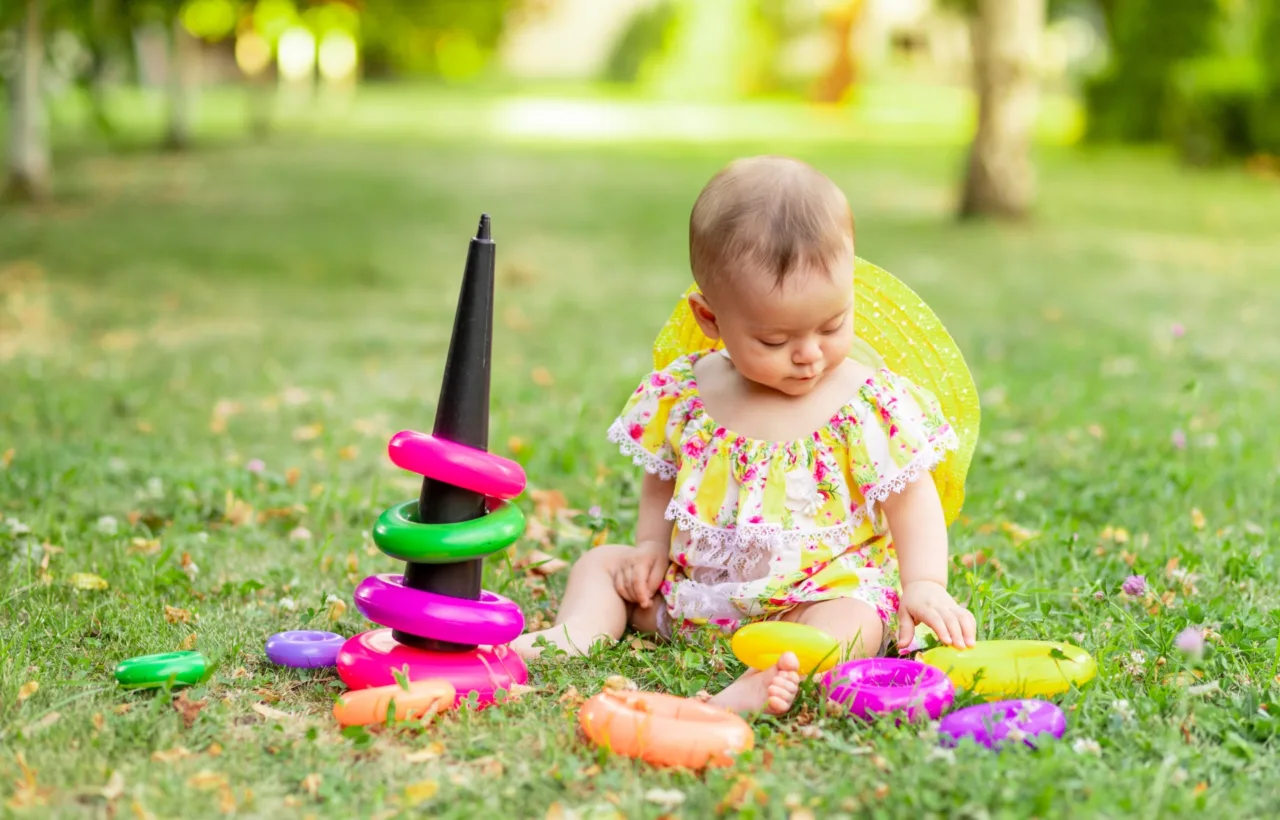
Once baby can sit or crawl, grass becomes the main event. Set them down on a clean patch and let the hands and feet explore. Some babies love the tickle. Some pull away at first. Both reactions are normal.
My little one went from offended to obsessed in one afternoon. The uneven surface also challenges balance in ways flat floors never do. Supervise closely. Wipe hands before any mouth contact. Stick to your own yard or a trusted park if pesticides worry you.
Grass under the hands and feet delivers pure sensory information that no indoor mat can match.
6. Shallow Water Play: Splash Without the Stress
Fill a low plastic bin with an inch of water on a warm day. Add a couple of cups or a soft toy. Sit right there and let baby splash, pat, and pour. The temperature contrast and the movement hold attention hard.
I started this around eight months. Stay within arm’s reach the entire time. Even shallow water needs constant eyes. Change the water if it gets too warm or cool. Keep sessions short so baby does not get chilled.
A shallow water bin gives controlled sensory input and zero cleanup drama if you plan it right.
7. Nature Sound Listening: The Quiet Superpower
Sit outside during a quiet stretch of the day. Birds. Wind. Distant traffic. Point them out softly. “Hear that bird?” Baby may not understand the words yet, but the focused listening builds attention.
I used this when my baby got overstimulated indoors. The outdoor soundscape feels different. It often settles them faster than white noise. No gear needed. Just time and presence.
Tuning into outdoor sounds trains the ears and the calm at the same time.
8. Safe Nature Touch: Leaves, Petals, and Bark
Offer large, safe items for baby to hold and feel under close watch. A big leaf. A smooth stone too large to swallow. A soft petal. Name the texture as they explore.
I kept a small collection of safe finds in a basket for backyard time. Supervision is non-negotiable. Nothing small enough to fit in a mouth. Rinse hands after. This builds fine motor skills and sensory vocabulary without toys.
Touching real outdoor textures gives baby information no plastic toy can deliver.
9. Picnic on the Blanket: Eat Outside, Stay Outside
Pack a simple snack or bottle, a blanket, and head to a shady spot. Eat together outside. For younger babies the environment itself is the activity. Older ones can explore soft finger foods while sitting.
I found picnic time stretched outdoor tolerance better than any other meal setup. Bring a wide-brim hat and keep the session reasonable. The change of scenery often improves mood for both of us.
A low-key outdoor picnic turns ordinary feeding into shared calm time.
10. Story Walks: Narrate the World
Walk and talk. Describe the red car, the tall tree, the barking dog. Turn any stroll into language practice. Baby hears real words attached to real things.
This became my default once my little one hit three months. The narration felt natural after a while. It works in any language you speak at home. Keep the pace slow. Stop when interest fades.
Story walks build vocabulary and connection without any extra materials.
11. Rolling a Ball on the Grass: Cause and Effect in Action
Once baby sits steadily, sit facing them on the grass and roll a soft ball back and forth. The give and take teaches turn-taking and hand-eye skills.
I started this around seven months. Soft, colorful balls work best. Grass slows the roll so it stays manageable. The uneven surface adds a balance challenge. Watch for frustration and keep rounds short.
A simple grass ball roll turns basic motor practice into a real game.
12. Watering Duty: Tiny Helper Moments
Hand baby a small, light watering can with a bit of water. Guide them toward a plant or the grass. The pouring and the result fascinate most babies once they have decent hand control.
I did this in the late afternoon when temperatures dropped. It teaches gentle care without pressure. Expect spills. That is half the fun. Supervise so the can does not become a toy for the mouth.
Letting baby help water something living builds early responsibility and joy in the same motion.
13. Color or Texture Scavenger Hunt: Look and Find
Point out colors or textures as you walk. “See the yellow flower?” “Feel the smooth rock?” Keep it light and short. No lists needed for babies.
This grew out of our regular walks. It sharpened observation for both of us. Older babies start pointing back. Stay flexible. If interest drops, drop the game.
A gentle scavenger hunt turns ordinary walking into focused noticing.
14. Simple Bird Feeder Watching: Set It and Observe
Make a basic feeder with a pinecone or cardboard tube, a bit of nut butter, and birdseed. Hang it where you can see from a blanket or stroller. Watch the birds arrive.
I did this once and then just observed for weeks. Baby tracked the movement. I learned a few bird names. Keep the feeder out of reach and supervise any close looks. The waiting teaches patience in the softest way.
Watching birds at a simple feeder adds living movement to outdoor time.
15. Outdoor Quiet Reading or Rest: Books Meet Breeze
Bring a couple of board books to a shady spot. Read aloud while the outdoor sounds mix in. Or simply rest together. Many babies doze faster outside.
This closed out hard days for me. The combination of voice, breeze, and natural light often worked better than the crib. Keep the session short if baby stays alert. Shade is non-negotiable.
Reading or resting outdoors layers calm on top of sensory input.
How to Choose Among These Outdoor Activities for Babies
Match the activity to the day’s energy and the weather. On low-energy days I reach for blanket time or sound listening. On good-movement days I go for grass exploration or ball rolling. Watch baby’s cues more than the clock. Short and happy beats long and forced every time.
Common mistake: trying to do too many in one outing. Pick one or two. Layer in shade, proper clothing, and constant supervision. Under six months skip direct sun completely. After that use shade and pediatrician-approved sunscreen as needed. I personally rotate through the list based on season and mood rather than forcing a rigid schedule. The ones that stuck longest for us were the walks, the grass time, and the bubbles. Start there if you feel overwhelmed.
Frequently Asked Questions
What are the best outdoor activities for babies under six months? Tummy time on a blanket in the shade, short stroller walks, and quiet leaf watching work best early on. Keep sessions brief and focus on sensory input rather than movement.
How do I choose among these 15 outdoor activities for babies? Look at your baby’s current stage and the weather first. Newborns need gentle exposure. Sitting and crawling babies thrive with grass and water play. Pick what fits the energy you both have that day.
Is it safe to take a newborn outside? Yes, healthy newborns can go outside from day one with proper clothing, shade, and short times. Avoid crowds until vaccinations begin and watch temperature closely.
How long should outdoor time last for babies? Start with ten to fifteen minutes and build as tolerance grows. Many babies handle twenty to thirty minutes by three to six months when the conditions stay comfortable.
Do I need special gear for these activities? No. A blanket, a stroller or carrier, and basic supervision cover almost everything on this list. Fancy toys stay optional.
I still use versions of these activities years later because they work. Fresh air, real textures, and shared attention beat screens and four walls every single time. Start with one tomorrow. See what sticks for you and your baby.