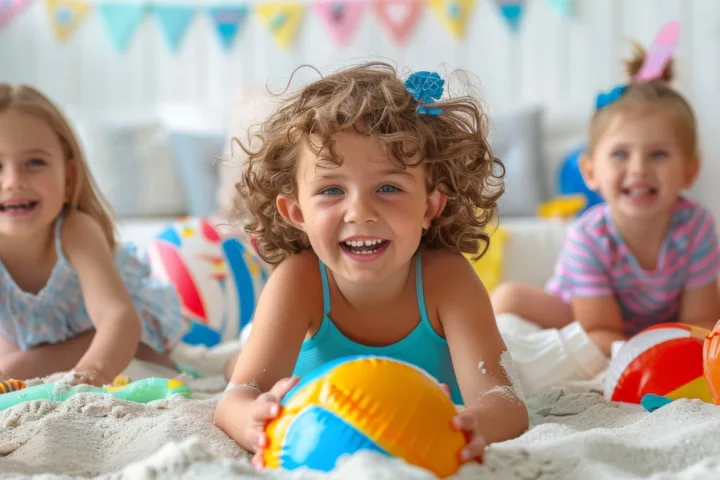
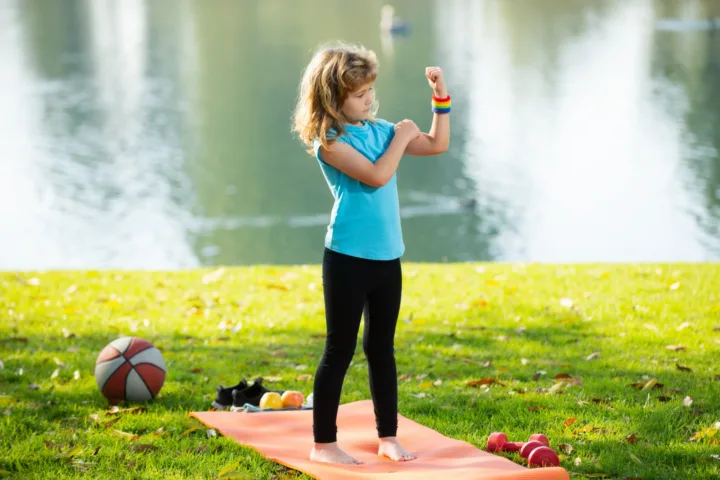
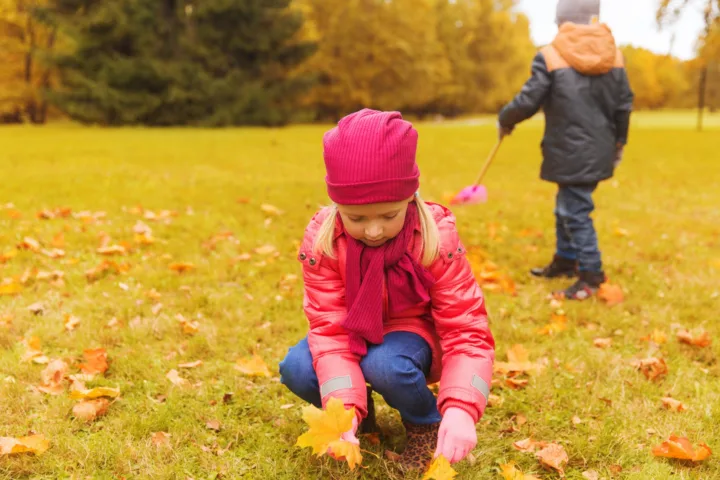
I spend a lot of time outside with my own kids, and these 12 outdoor children activities have saved more afternoons than I can count. Screens lose their pull once the real world starts competing. Fresh air, dirt under the nails, and actual movement change the whole mood of a day. I picked these because they work for different ages and need almost nothing fancy.
Why These 12 Outdoor Children Activities Made My List
I chose activities that show up again and again in what parents and nature groups recommend right now. Free or nearly free. Easy to start in a backyard, park, or nearby trail. Ones that build real skills like balance, curiosity, and focus. I skipped anything that requires expensive gear or perfect weather. These are the ones I actually use, not just theory. Some need a little supervision. Others let kids run free. That mix keeps things interesting for everyone.
1. Climb a Tree: The Original Adventure Gym
I still remember the first time my oldest made it to a solid branch without help. The grin said everything. Climbing a tree builds strength, balance, and a quiet kind of confidence that screens never deliver. Start with low, sturdy branches and let them test their limits slowly.
Kids learn to judge risk in real time. They fall sometimes. They get back up. That matters more than most organized sports. Just check the tree for dead limbs first and stay close for the younger ones. I once spent an hour spotting my middle kid while she figured out a tricky fork. Worth every second.
Tree climbing turns ordinary afternoons into small victories.
2. Build a Fort or Den: Backyard Architecture at Its Finest
Nothing beats the look on a kid’s face when the fort finally holds. We use sticks, old sheets, lawn chairs, and whatever else is lying around. The building process itself is the real win. Kids negotiate, problem-solve, and claim their own space.
I have watched my kids spend entire mornings hauling branches and arguing over roof design. The fort rarely lasts more than a day or two. That is fine. The joy lives in the making. On rainy days we move the whole operation under a tarp. It still counts.
A good fort feels like a secret clubhouse even when the neighbors can see it.
3. Nature Scavenger Hunt: Curiosity With a Checklist
I print simple lists or just call out items as we walk. Find something red. Find a smooth rock. Find three different leaves. The hunt turns a regular walk into a mission. Kids notice details they would otherwise miss.
My youngest once spent twenty minutes studying a beetle because the list said “something that crawls.” That kind of focus is hard to get any other way. You can make the list as easy or tricky as you want. No special tools needed beyond maybe a bag for treasures.
Scavenger hunts make the ordinary world feel full of secrets.
4. Fly a Kite: Wind Becomes the Playmate
A cheap kite and an open field still deliver pure delight. I keep one in the car for those windy days that otherwise feel useless. The moment the kite lifts is pure magic. Kids run, laugh, and suddenly care about wind direction.
I have chased runaway kites across parks more times than I want to admit. Worth it every time. Teach them the basics of letting out string and reeling it back. They figure out the rest. Even a short flight counts as a win.
Kite flying turns invisible air into something kids can control.
5. Picnic Outside: Food Tastes Better on a Blanket
I pack simple sandwiches, fruit, and a thermos. We find a spot under a tree or at the park and just sit. Eating outside changes the whole experience. Kids eat better, talk more, and stay longer than they would at the kitchen table.
One rainy spring we picnicked under a covered picnic shelter and still called it a success. The point is the change of scenery, not perfect weather. I bring a book or just watch them explore nearby while we eat. It stretches a meal into an outing.
Picnics prove that ordinary food becomes an event when you move it outdoors.
6. Roll Down a Hill: Pure Gravity Joy
Find a grassy slope and let them go. I still do it myself sometimes. The speed and the dizziness create instant laughter. No equipment. No rules. Just bodies and gravity.
My kids will roll until they are dizzy and then climb back up for more. It builds core strength without anyone noticing. Watch for rocks or holes first. Then get out of the way. I have joined them on more than one hill and regretted nothing except the grass stains.
Rolling down a hill is the fastest way to reset a grumpy mood.
7. Water Play With a Sprinkler or Hose: Instant Summer Cool
Turn on the sprinkler and step back. Or fill buckets and let them pour and splash. Water play burns energy and cools everyone down. Kids invent their own games within minutes.
I keep a few old cups and a plastic watering can by the hose. That is usually enough. Water balloon fights work too, but the simple sprinkler runs longer with less cleanup. Supervise the younger ones near any standing water. The rest takes care of itself.
Water turns a hot afternoon into pure play.
8. Bug Hunt: Tiny Worlds Under Rocks
Hand them a magnifying glass if you have one. Or just lift rocks and logs carefully. Looking for bugs teaches patience and respect for small lives. Kids notice patterns and details they ignore indoors.
I once watched my daughter spend forty minutes tracking ants back to their nest. She narrated the whole thing like a nature documentary. Put everything back when you finish. That rule matters. A simple notebook for drawings turns the hunt into a longer project.
Bug hunting makes the ground feel alive.
9. Stargazing or Sleep Under the Stars: Nighttime Wonder
On clear nights we spread a blanket and look up. I point out the Big Dipper and a few bright planets. The dark sky slows everything down. Kids ask big questions when the phones stay inside.
We have done backyard camping with just sleeping bags and a flashlight. Not every night works. Clouds happen. But the nights that do work stick in their memory. Bring a thermos of hot chocolate if it is cool. Keep it simple.
Stargazing reminds everyone how big the world really is.
10. Make Mud Pies: Messy Science in Action
Dirt plus water equals hours of focused play. Mud is free sensory therapy. Kids mix, mold, decorate with sticks and leaves, and somehow stay busy forever.
I keep old kitchen tools outside for this exact reason. Measuring cups, spoons, muffin tins. They treat it like a real kitchen. The cleanup is outside too, which helps. I have learned to wear clothes I do not care about. The smiles are worth the mess.
Mud pies prove that the best toys come from the ground.
11. Bike Ride or Long Neighborhood Walk: Motion With Freedom
We head out with no real destination. Sidewalks, quiet streets, or a nearby path. Moving under their own power builds independence. Kids notice houses, dogs, and changes in the neighborhood they miss from the car.
I let them set the pace most days. Some rides last ten minutes. Others stretch into an hour. Helmets stay on. Water bottles come along. The goal is time moving, not distance. My kids still talk about the day we found a new shortcut through the park.
Wheels and walking shoes turn the neighborhood into an adventure map.
12. Plant and Grow Something: Watching Life Happen
We plant seeds in pots or a small garden bed. Beans, sunflowers, or herbs work well. Watching something grow from a seed teaches patience in a way nothing else does. Kids check the soil every day and claim ownership.
I let them dig the holes and water. Some plants fail. That is part of the lesson. The ones that succeed feel like real accomplishments. We have eaten lettuce we grew ourselves and it tasted better than anything from the store. Start small. One pot is enough.
Growing plants connects kids to the slow side of nature.
How to Choose the Right Outdoor Activity for Your Kids
Start with what your kids already like. If they love building, go for forts or mud. If they need to burn energy, choose rolling, water play, or bikes. Weather and space matter too. A tiny backyard still works for scavenger hunts, mud, and sprinklers. A nearby park opens up trees and hills.
Honestly? The biggest mistake I made early on was overplanning. Kids do not need perfect setups. They need time and a little freedom. Watch what holds their attention longest and lean into those. Rotate activities so nothing gets stale. Some days one activity is enough. Other days we stack two or three.
I personally reach for the scavenger hunt or fort building most often because they scale to different ages and moods. The key is consistency. A little outdoor time most days beats one big outing every month.
Frequently Asked Questions
What if my kids refuse to go outside? Start small. Ten minutes of water play or a quick scavenger hunt often breaks the resistance. Once they are out, momentum usually takes over.
Which of these 12 outdoor children activities work best for toddlers? Mud pies, water play, and simple scavenger hunts with colors or textures. Keep supervision close and expectations low.
How do I handle the mess? Embrace it. Keep a towel and change of clothes by the door. Most of the mess stays outside if you set that boundary early.
Do these activities still work in winter or rain? Yes. Puddle jumping, snow play if you have it, or building forts under a tarp. Rain gear changes everything.
What is the best option if I only have a small yard? Fort building, mud play, bug hunts, and planting in pots all fit in tight spaces. Creativity matters more than square footage.
These activities keep proving themselves season after season. My kids still ask for the same ones years later. The screens wait. The outdoors does not. Get out there and let them play.