I spent years stuck indoors scrolling through other people’s adventures. Then I started trying real 14 outdoor nature activities and everything shifted. Fresh air, actual dirt under my boots, the quiet that hits when you leave the phone in the car. These are the ones I keep returning to because they work. Not every single one will fit your life, but a few of them might pull you outside the same way they pulled me.
Why These 14 Outdoor Nature Activities Made the Cut
I built this list from the activities I actually do, the ones that show up again and again when people talk about reconnecting with the natural world, and the ones that feel doable without needing a full expedition budget. Accessibility mattered. So did variety. Some are pure stillness. Others get your heart rate up. A few sit right in the middle. I left out the pure adrenaline sports that demand expensive gear or high risk. What remains are the ones that consistently deliver that reset I need. See, the goal was never to collect experiences. It was to find the ones that stick.
1. Hiking: The Simple Reset That Never Gets Old
Hiking is the one I recommend first to almost everyone. You lace up whatever shoes you have, pick a trail that matches your energy that day, and start walking. The movement clears the noise in my head faster than any other activity. I still remember the first time I finished a short loop near home and realized I had not checked my phone once.
The real magic sits in the small details. Birdsong shifts as you gain elevation. The air cools under the canopy. Your legs burn in a good way. The best part is how little equipment you need. A water bottle and decent footwear get you most of the way there. My honest caveat: crowded popular trails can kill the vibe. I now seek quieter paths or go midweek when I can.
Start short if you are new. One mile is enough. The trail will still deliver.
2. Camping: Sleeping Outside Changes the Whole Day
Camping forces you to slow down. You set up a tent or sleep in the back of a car, cook something simple, and watch the light fade. I used to think I needed perfect weather and a scenic campsite. Then I spent a night in a basic state park and woke up to birds I never hear in the city. That was enough.
Waking up already outside removes half the friction of getting into nature. You start the day with no commute and no screens. The downside is real: packing, weather, and the occasional noisy neighbor. I still do it because the payoff outweighs the hassle every time. Dispersed camping on public land feels even freer when you can find it.
Try one night first. You will either love it or learn exactly what to change next time.
3. Birdwatching: Patience Rewarded with Color and Sound
Birdwatching taught me to stop moving. I sit or walk slowly with binoculars and wait. The first time a pileated woodpecker hammered a tree twenty feet away, I actually laughed out loud. Something that big and loud had been living near me the whole time and I had never noticed.
You do not need fancy gear to begin. Your eyes and ears work fine. Apps help with identification later. The standout benefit is how it trains attention. Your brain starts scanning for movement and pattern. My caveat is simple: some days you see almost nothing. That is part of the deal. Those empty days still feel better than most indoor ones.
Pick a local park and give it twenty minutes. The birds are already there.
4. Nature Photography: Seeing Ordinary Places Differently
I started taking photos of leaves and water just to remember details. Then the camera became an excuse to look harder. Light hitting moss at the right angle. A spider web after rain. The activity turns a regular walk into a hunt for small beauty.
Phone cameras are more than enough for most of us. The real skill is learning to notice before you shoot. My honest trade-off: chasing the perfect shot can pull you out of the moment if you let it. I now take a few frames and then put the phone away so I can actually be there.
Shoot one thing that surprises you each time you go out. That is the whole practice.
5. Kayaking: Quiet Movement on Water
Gliding across a lake or calm river feels like floating through the landscape instead of walking through it. The first time I paddled alone at sunrise, the surface was glass and a heron took off right beside me. I still think about that morning.
You can rent for the first few trips. The physical effort is steady but not punishing, and the views change constantly. Wind and currents can make it harder than it looks. I learned that the hard way on a windy afternoon. Stick to protected water until you feel solid.
Rent a sit-on-top kayak near home and try an hour. You will understand why people get hooked.
6. Fishing: Stillness with a Purpose
Fishing gives me permission to do nothing productive for hours. Cast, wait, watch the water. Sometimes I catch something. Most times I do not. Either way the time outside feels earned. I grew up thinking it was only for people who already knew the techniques. Then a friend showed me the basics on a local pond and I realized how approachable it can be.
The quiet focus is the real prize. My caveat is the gear and the learning curve. You can start simple with a basic rod and some bait. Leave-no-trace rules matter here too. Catch and release keeps the experience available for everyone.
Find a pier or a calm bank and just sit with a line in the water. The waiting is the point.
7. Wildlife Watching: Paying Attention to What Lives Nearby
This one overlaps with birdwatching but stretches wider. Deer at dusk. Foxes crossing a field. Even the busy activity of insects on a single plant. I once spent forty minutes watching a family of otters play in a river and felt like I had won the lottery.
Binoculars help, but eyes work. The key is moving slowly and staying quiet. Crowds or loud groups scare everything away. I now choose quieter times and places. That choice alone improved what I see.
Pick one area and return often. The animals get used to you, and you start recognizing patterns.
8. Stargazing: Looking Up Changes Everything
City lights hide most of the sky. The first clear night I spent somewhere truly dark, the Milky Way stretched overhead and I felt small in the best way. No gear required beyond a blanket and your eyes. Apps help later if you want names.
Darkness itself becomes the main attraction. Weather is the obvious limitation. Clouds ruin the show. I still plan trips around the forecast and the moon phase when I can. Even a partial view from a backyard beats nothing.
Drive an hour from the nearest city lights if you can. Lie down and just look.
9. Trail Running: Faster Movement Through the Same Trees
Hiking is my default. Trail running is the version I use when I need to burn energy fast. The uneven ground forces attention. Roots, rocks, sudden climbs. My mind has no room left for the usual worries.
The combination of speed and nature hits different than road running. I started slow and short. Falls happen. I have the scrapes to prove it. Good shoes matter more here than on pavement. The payoff is that finished feeling that lasts the rest of the day.
Try a short loop you already know from hiking. Keep the pace easy at first.
10. Mountain Biking: Rolling Through the Woods
Pedaling singletrack feels like a different conversation with the land. Climbs test your legs. Descents demand focus. The first flowy section I rode without touching the brakes made me whoop out loud. I still smile thinking about it.
Bike shops often rent entry-level trail bikes. The learning curve is real but rewarding. Technical sections can intimidate beginners. I stick to easier trails until my confidence matches the terrain. Helmet always. No exceptions.
Find a local trail system with beginner loops and ride one. You will either love the speed or stick to hiking. Both are fine.
11. Rock Climbing and Bouldering: Hands-On Problem Solving
Climbing turns a rock face into a puzzle. Fingers find holds. Feet smear on small edges. The focus is total. I started on indoor walls, then moved outside. Outdoor rock feels alive in a way plastic holds never do.
The physical and mental challenge combine in a rare way. Fear is part of it. That is also the point. Proper instruction and gear matter. I never climb without a partner or a crash pad when bouldering. The community around climbing tends to be welcoming once you show up ready to learn.
Take a beginner outdoor clinic if you can. The rock will teach you the rest.
12. Foraging: Looking for Food and Finding Connection
Identifying edible plants and mushrooms turned ordinary walks into treasure hunts. I started with easy ones: blackberries, ramps in season, a few safe mushrooms under guidance. The act of searching slows me down and makes me notice the forest floor.
Knowledge is the real tool here. Misidentification can be dangerous. I only eat what I am completely sure about, and I learned from people who already knew. Leave plenty for wildlife and other foragers. That rule keeps the practice sustainable.
Join a local guided walk first. Curiosity is safer with an expert nearby.
13. Nature Journaling: Writing and Drawing What You Notice
I carry a small notebook and a pencil. Sometimes I write what I hear. Sometimes I sketch a leaf or a cloud shape. The page becomes a record of attention. Looking back at old entries shows me how much I miss when I rush.
No artistic skill required. Messy notes count. The habit itself trains observation. Rain can ruin paper, so I keep a plastic bag ready. That is the only real downside I have run into.
Sit for ten minutes and write three things you notice. That is a complete session.
14. Outdoor Yoga or Simple Stillness: Moving With the Ground Under You
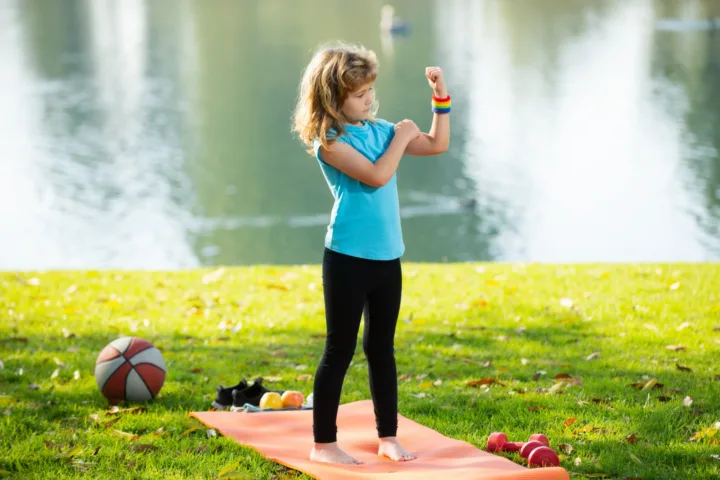
I unroll a mat or just stand barefoot on grass and move slowly. Breath and balance feel different outside. Wind becomes part of the practice. Birds provide the soundtrack. I do not need a full class. Ten minutes of stretching and breathing under open sky resets me.
The uneven ground itself becomes a teacher. Your body works harder to stay steady. Weather and insects can interrupt. I adapt. Some days I just sit and breathe without any poses at all.
Find a quiet patch