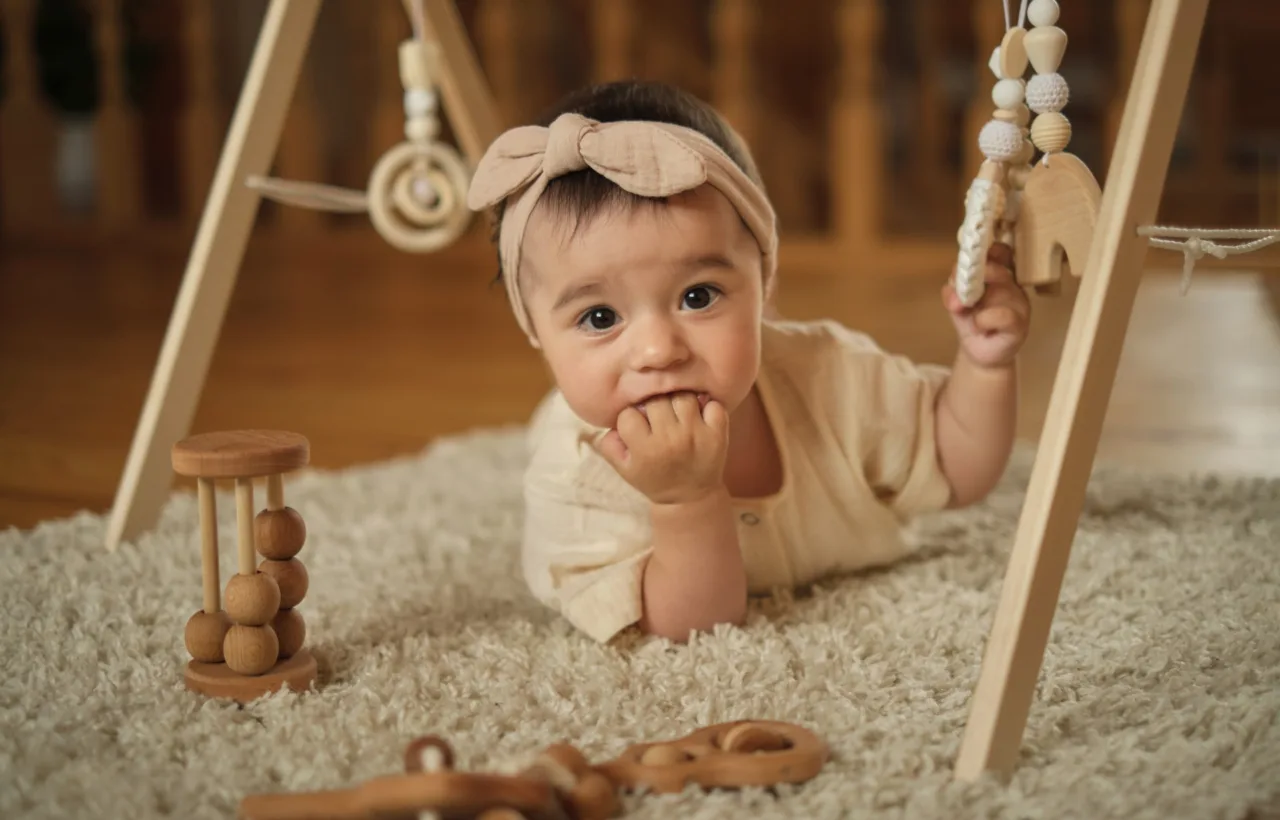

I spent months stuck inside with a newly mobile one-year-old and a short list of ideas that fell flat fast. Rainy weeks, cold snaps, or just those days when going out felt impossible turned into pure survival mode until I locked in a solid set of 14 one year old activities indoor that actually held attention.
These are the ones that worked in my living room, over and over.
Why These 14 One Year Old Activities Indoor Made the Cut
I chose every activity on this list for three reasons. They use stuff most of us already have. They match what a 12- to 18-month-old can actually do. And they give real developmental payoff without screens.
I tested them myself during long indoor stretches. Some lasted five minutes. Others bought me twenty. All of them beat staring at the same three toys.
1. Safe Sensory Bin: Texture Exploration Without the Panic
I fill a shallow plastic bin with plain oats or large Cheerios. Add a couple of measuring cups and a spoon. That is the whole setup.
The key is supervision and size. Anything small enough to fit through a toilet paper tube stays out. My kid digs, pours, and dumps for longer than I expect. The sound of oats hitting the cup keeps him coming back.
Honestly? Cleanup is faster than I thought. I dump the whole bin into a storage container and wipe the floor once. One caveat: this gets messy if you walk away. Stay close.
Taste-safe fillers turn mouthing into part of the play instead of a constant battle.
2. Living Room Obstacle Course: Gross Motor Without Leaving Home
Couch cushions become mountains. A couple of chairs make tunnels. Painter’s tape on the floor turns into a balance line.
I set it up in under five minutes and let him crawl over, under, and around. He practices climbing, spatial awareness, and problem-solving without me hovering the whole time.
See, the beauty is how adjustable it is. Make it shorter on tired days. Add a soft ball at the end for a payoff. Just clear the sharp corners first.
This one burns energy better than almost anything else on the list.
3. Stacking Blocks or Cups: The Simple Tower That Always Falls
I keep a small set of chunky wooden blocks or plastic nesting cups within reach. He stacks two or three, knocks them down, and starts over.
The repetition builds fine motor control and cause-and-effect understanding. I sit nearby and narrate: “Up. Crash.” That is enough.
One trade-off is the noise. Plastic cups clatter. Wooden ones thud. I prefer the wood when the neighbors are home.
Watching a one-year-old destroy a tower still feels like pure joy.
4. Toy Hide-and-Seek: Object Permanence in Action
I hide three of his favorite toys under blankets or behind the couch while he watches. Then I say “Where did it go?” and let him search.
He lights up every single time he finds one. This activity strengthens memory and the idea that things still exist when out of sight.
Keep the hiding spots obvious at first. Too clever and frustration wins. I rotate the toys so it stays fresh.
Short, sweet, and zero prep after the first time.
5. Board Book Storytime: Language Without the Pressure
I sit on the floor with two or three sturdy board books. He turns the pages. I name the pictures. We do animal sounds.
No long stories required. Five minutes of pointing and repeating words is the goal. He often walks away and comes back. That is fine.
I noticed his vocabulary jumped after we made this a daily habit. The only downside is how many books end up on the floor.
Consistent short sessions beat forced long ones every time.
6. Big Floor Art: Mark-Making That Feels Free
I tape a large sheet of paper to the floor or wall. Hand him chunky washable crayons or markers. That is it.
He scribbles with his whole arm. The large surface removes the frustration of tiny paper. Grip strength and creativity both get a workout.
Honestly? The mess stays contained if you tape well. I learned to put a towel underneath just in case. One caveat: some kids try to eat the crayons. Stick to the washable, non-toxic ones.
Big marks feel powerful to a small person.
7. Kitchen Band: Music From What You Already Own
I pull out two pots, a wooden spoon, and a metal lid. He bangs. I bang back. We make a racket.
Cause and effect is loud and clear here. The sound starts and stops with his hands. Rhythm and coordination sneak in without any formal lesson.
Neighbors may not love this one. I keep sessions short and use quieter plastic containers when needed.
Noise is learning at this age. Embrace it.
8. Scoop and Dump Station: The Endless Transfer Game
Two bowls. A spoon or small cup. Dry oats or large cereal. He moves the material from one container to the other.
This is pure repetition practice. Fine motor skills and focus both improve. I set it up on a towel and let him go.
See, the satisfaction of dumping is real. He will do it twenty times in a row. Cleanup is a quick sweep.
Simple materials create long engagement.
9. Sticky Tape Wall: Fine Motor With Instant Feedback
I stick painter’s tape to the wall or a low window, sticky side out. Hand him lightweight paper scraps or large pom-poms.
He sticks them on, pulls them off, and sticks them again. The resistance of the tape builds hand strength without tools.
One honest downside: tape residue can stick around if you leave it too long. I peel it off the same day.
This activity holds attention better than most store-bought toys.
10. Posting Box: The Slot That Teaches Precision
I cut a slot in the lid of a clean shoebox or plastic container. He drops large blocks or plastic lids through the opening.
Pincer grasp and hand-eye coordination get direct practice. He loves the sound of the item landing inside. Sometimes he dumps everything out and starts over.
Keep the items big enough to avoid choking risk. I stay right there the whole time.
Simple cardboard turns into a learning tool fast.
11. Soft Ball Rolling: Turn-Taking Without Rules
I sit on the floor a few feet away and roll a soft ball to him. He pushes it back or crawls after it.
This builds gross motor skills and the early idea of taking turns. No fancy rules. Just back and forth.
If he is still wobbly on his feet, the crawling version works just as well. I keep the ball large and soft.
Connection happens in the quiet moments of this game.
12. Dance Party or Freeze Dance: Energy Release Indoors
I put on a short playlist of songs he likes. We move however we want. Sometimes I stop the music and we freeze.
Impulse control starts here in a playful way. Full-body movement happens without leaving the house.
One caveat: some kids get overstimulated fast. I keep the volume low and the session under ten minutes.
Music turns a restless afternoon into something shared.
13. DIY Tunnel Play: Crawling Through Something New
I drape a blanket over two chairs or use a cardboard box with both ends open. He crawls through.
Spatial awareness and confidence grow with each pass. I peek in from the other side for a quick game of peek-a-boo.
Make sure the structure is stable. I never leave him unsupervised in it.
A simple tunnel feels like a whole new world.
14. Shallow Water Play: Contained Splash Time
I put a shallow baking tray or plastic bin on a towel. Add a cup of water and a couple of cups or sponges. He pours and splashes.
Sensory input is high and the cleanup is manageable. Constant eyes-on supervision is non-negotiable. I stay within arm’s reach the entire time.
This one buys calm when everything else feels chaotic. Towels underneath save the floor.
Water still wins as the ultimate indoor reset.
How to Choose Among These Indoor Activities
I look at three things before I pick one. Energy level of the kid. How much mess I can handle that day. And whether I need five minutes or twenty.
On high-energy days I start with the obstacle course or dance party. On quieter mornings I go for the sensory bin or posting box. If I need parallel play while I make coffee, the sticky wall or scoop and dump station works best.
Common mistake: setting up too many things at once. One invitation is enough. Rotate the materials every few days so nothing feels stale.
I personally reach for the cushion course and the kitchen band most often. They burn energy and require almost zero prep. The sensory bin is my backup when I need calm focus.
Watch for signs of frustration. If an activity is too hard or too easy, switch. The goal is engagement, not perfection.
Frequently Asked Questions
What are the safest materials for a sensory bin with a one-year-old? Stick to large Cheerios, plain oats, or shallow water under constant supervision. Avoid rice, dry beans, or anything small enough to choke on.
How long should I expect a one-year-old to stay interested in one activity? Five to fifteen minutes is a solid win. Some days it is shorter. Follow their lead and have a second option ready.
Which of these 14 one year old activities indoor works best for beginners who have never done structured play? Start with the soft ball rolling or the board book storytime. Both require almost nothing and build connection right away.
Do I need to buy special toys for these activities? No. Almost everything on this list uses household items. A few large blocks or a soft ball help, but they are optional.
How do I keep these activities from creating a huge mess every time? Use a large towel or old sheet underneath. Limit the amount of material in bins. Clean as you go instead of waiting until the end.
I still pull these out on the days when the walls feel like they are closing in. They are not magic. They are simply reliable. Try one tomorrow. Then try another. The afternoons get lighter when you have a short list that actually works.