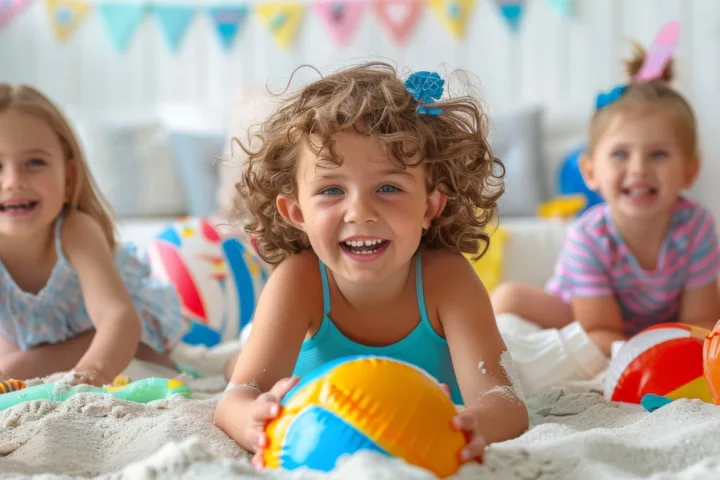
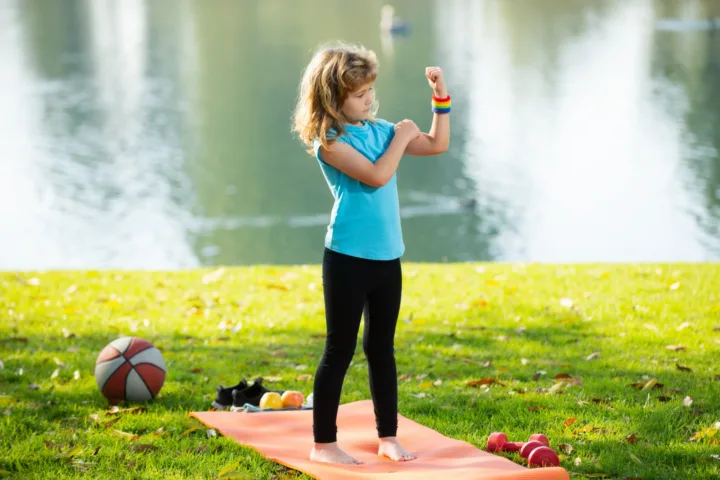
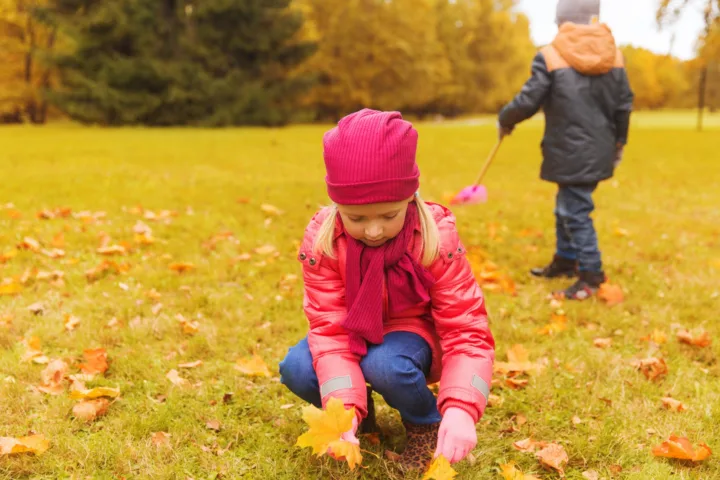
Kindergarteners need movement and wonder more than worksheets. I learned this the hard way after too many rainy weeks stuck inside with restless five-year-olds. These 14 outdoor activities for kindergarten pull from what works right now for kids this age: simple setups, real exploration, and just enough structure to keep things from turning chaotic. They build coordination, focus, and social skills without feeling like school.
Why These Outdoor Activities for Kindergarten Made My List
I picked these after watching what keeps kindergarten groups engaged in yards, parks, and playgrounds. The criteria were straightforward. Activities had to need almost no special gear. They had to support gross motor skills or early observation. And they had to feel fun first, educational second.
See, a lot of lists pile on complicated crafts or expensive kits. I skipped those. These ones show up again and again in current recommendations because they match how five- and six-year-olds actually play. Mess is allowed. Rules stay light. Results matter less than the process.
Honestly? The ones that stuck with my own experiences were the ones that burned energy and sparked questions at the same time.
1. Nature Scavenger Hunt: The walk that turns into a mission
I start with a short list of three or four things: a smooth rock, something green, a stick longer than a hand, a feather if we’re lucky. Kids get a small bag or just use their hands. We walk a loop in the yard or park and collect as we go.
The real win is the noticing. Kids slow down. They compare textures. They argue gently over whether a leaf counts as yellow enough. Afterward we dump everything out and talk about what we found. It builds observation without a single flashcard.
One caveat: keep the list short or the youngest ones zone out. I once made a ten-item list and watched attention melt after item four. Short and doable beats ambitious every time.
Find three things and suddenly the ordinary yard feels like an adventure.
2. Obstacle Course: Gross motor practice that feels like a challenge
I drag out whatever is handy: pool noodles, a couple of chairs for tunnels, a low balance beam made from a plank on the ground, and a hoop to jump through. Kids run the course one at a time or in pairs.
Balance and coordination get a workout without anyone realizing it. They climb, crawl, hop, and problem-solve when the path feels tricky. I change one element each round so it stays fresh.
The trade-off is space. A tiny patio limits what you can build. In that case I keep it to three stations max. Still works. Still burns energy.
Set it up once and watch them invent their own rules by the third run.
3. Water Play Stations: Sensory fun that cools everyone down
On warm days I fill a few plastic bins with water and add cups, funnels, spoons, and a couple of toy boats. Kids pour, scoop, and splash to their hearts’ content.
Fine motor skills get a quiet boost while they experiment with flow and volume. They learn what sinks and what floats without a formal lesson. The mess stays outside where it belongs.
Caveat: it can get slippery. I put down an old towel or mat and keep a dry towel ready. Supervision stays close when the bins are deep enough for real splashing.
A bin of water and a few kitchen tools turn an ordinary afternoon into pure delight.
4. Mud Kitchen: Messy pretend play that builds creativity
I set up an old table or just a patch of dirt with pots, pans, wooden spoons, and a pitcher of water. Kids mix mud, leaves, petals, and pebbles into “soups” and “cakes.”
Imaginative language explodes here. They narrate recipes, take orders, and serve invisible customers. Sensory input is rich and the social back-and-forth is constant.
The honest downside is the cleanup. Clothes get dirty. Hands stay stained for a while. I keep a hose nearby and accept that laundry will happen. Worth it every single time.
Give them dirt and tools and watch the restaurant open for business.
5. Hopscotch: Balance, counting, and hopping all in one
I draw a simple grid with chalk on the sidewalk or use tape on a flat surface. Kids hop on one foot, two feet, and practice counting the squares as they go.
Number sense sneaks in while they move. Balance improves with every turn. I sometimes call out numbers or colors to hop on for an extra layer.
It works best with a few kids at a time. Too many and the waiting stretches long. I keep a second chalk set nearby so others can draw while they wait.
Simple grid. Real movement. Instant engagement.
6. Bug Hunt: Tiny discoveries with a magnifying glass
I hand out cheap magnifying glasses and we move slowly through grass and under leaves. The rule is look first, touch only if I say it’s safe.
Patience and gentle respect grow fast. Kids notice ants carrying crumbs, beetles under bark, and worms after rain. We talk about what we see without collecting anything live.
Caveat: some kids start squeamish. I model calm curiosity and never force anyone to get close. Most warm up once they see others engaged.
A quiet hunt turns the yard into a living science lab.
7. Simple Gardening: Dirt, seeds, and real responsibility
We plant easy seeds like sunflowers or beans in small pots or a raised bed. Kids dig, drop seeds, cover them, and water carefully.
Responsibility shows up when they check growth each day. They measure with sticks or their fingers and celebrate the first sprouts. Life cycles become concrete.
Not every seed sprouts. That’s the honest part. I prepare them for the possibility and celebrate the ones that do. Failure is part of the lesson.
Hands in soil teach more than any picture book ever could.
8. Treasure Hunt: Clues that lead to small wins
I hide a few small toys or stickers and write or draw simple picture clues. Kids follow one clue at a time until they find the prize.
Problem-solving and direction-following get real practice. The excitement of discovery keeps energy high. Themes help: pirates one day, fairies the next.
Keep treasures simple and the hiding spots not too hard. Frustrated kids shut down fast. I test the path myself first.
One clue at a time turns searching into pure thrill.
9. Hide and Seek: Classic strategy and independence
One child counts while others hide in safe, visible-enough spots. The seeker finds them one by one.
Spatial awareness and patience develop quickly. Kids learn better hiding spots over time and practice staying quiet. Social turn-taking happens naturally.
In a small yard I set clear boundaries so no one wanders off. I also play seeker sometimes so the quieter kids get a fair chance to hide well.
The oldest game still delivers the best giggles.
10. Bubble Chase: Light, floating, and pure joy
I blow bubbles with a big wand or a simple store-bought solution. Kids chase, pop, and try to catch them on their hands or a wand.
Hand-eye coordination improves while they track moving targets. The light and reflection fascinate them. On a breezy day the bubbles travel farther and the chase gets wilder.
Solution runs out fast with a big group. I mix a second batch ahead of time. FYI, homemade works fine if you need more.
Watching them leap for floating bubbles never gets old.
11. Animal Movement Races: Imagination meets fitness
Kids race across the yard moving like a chosen animal: hop like a frog, waddle like a duck, crawl like a bear, or fly like a bird with arms out.
Gross motor variety hits different muscle groups. Creativity stays high because they invent the next animal. I call out the animal and they switch mid-race for extra challenge.
Some movements tire them faster than others. I keep races short and mix in walking animals so everyone stays included.
Move like an animal and suddenly running feels brand new.
12. Sidewalk Chalk Creations: Art that lives outdoors
I dump a bucket of chalk on the pavement and let them draw freely. Sometimes I suggest roads for toy cars or big shapes to hop between.
Creative risk-taking happens because the “canvas” is huge and temporary. Rain washes it away, so perfectionism stays low. Letter and shape practice sneaks in when they feel ready.
Chalk dust gets everywhere. I accept it. The temporary nature is actually the feature, not a bug.
A stick of chalk and open concrete equal hours of invention.
13. Shadow Tracing: Light science on sunny days
On a bright day I have kids pose while a partner traces their shadow with chalk. Then they switch. We experiment with size by moving closer or farther from the light source.
Early science thinking starts when they notice how shadows change. Body awareness grows as they hold still. It works with toys too if kids prefer.
Clouds ruin it fast. I keep this one flexible and switch to something else if the sun disappears.
Trace a shadow and the sun becomes a play partner.
14. Red Light, Green Light: Impulse control in motion
One child calls “green light” and everyone moves forward. “Red light” means freeze. Anyone caught moving goes back to the start.
Self-regulation gets real practice. Kids learn to stop their bodies on command. The race to the finish keeps motivation high. I sometimes add silly freezes like “be a tree” for variety.
It works best with clear space and a visible finish line. Too many kids and the caller gets overwhelmed. I rotate the caller often.
Stop and go on command turns movement into a listening game.
How to Choose the Right Outdoor Activity for Your Kindergarten Group
I match the activity to the day’s energy and the space I have. High-energy groups get the obstacle course or animal races first. Quieter days lean toward scavenger hunts or shadow tracing. Weather decides a lot: water and mud for heat, chalk and hopscotch for milder days.
Common mistake: packing too many activities into one session. Kids dig deeper when they have time to repeat and invent. I pick two or three and let them run long.
Another trap is over-directing. I set up the materials, give a short demonstration, then step back. The best moments happen when I stop talking.
Personally I reach for the nature scavenger hunt or mud kitchen most often. They scale to any group size and almost always produce stories the kids still talk about later. If I only had one afternoon, those two would be my picks.
Watch the kids more than the clock. Their engagement tells you when to switch or extend.
Frequently Asked Questions
What’s the best outdoor activity for kindergarten beginners who get overwhelmed easily? Start with a short nature scavenger hunt or sidewalk chalk. Both let kids move at their own pace and give clear, small wins without pressure to keep up with a group.
How do I choose among these 14 outdoor activities for kindergarten when I only have a small yard? Prioritize ones that need little space: hopscotch, bubble chase, shadow tracing, or a mini water station. Skip the big obstacle course until you have more room.
Do these activities really help with kindergarten readiness? Yes. Research links regular outdoor play to better self-regulation, social skills, and attention. The movement and problem-solving in these activities support the exact skills teachers look for.
What if the weather is cold or rainy? Bundle up and keep sessions short. Puddle exploration or a quick scavenger hunt still works. Or move a chalk activity to a covered porch if you have one.
How often should kindergarteners do outdoor activities like these? Daily if possible. Even twenty to thirty minutes of active outdoor time makes a difference in mood and focus for the rest of the day.
I keep coming back to the same truth. Kindergarteners learn best when their bodies are free and their questions get space to grow. These fourteen activities give them both. Pick one tomorrow. Set it up simply. Then step back and watch what happens. The curiosity shows up fast once the screens and walls disappear.