
I spend a lot of time outside with my three-year-old, and these 14 outdoor activities for 3 yrs kids have saved more afternoons than I can count. They burn energy, build real skills, and feel like pure play instead of structured lessons. I started collecting them after too many restless indoor days left both of us drained.
Why These 14 Outdoor Activities for 3 Year Olds Make the Cut
I chose these based on what actually works with a busy three-year-old in real backyards and parks. Every idea needs almost no setup, supports motor skills or curiosity, and holds attention longer than five minutes. I skipped anything that requires fancy gear or perfect weather. These are the ones I reach for first because they match how three-year-olds move and explore right now.
1. Nature Scavenger Hunt: Collect and Compare
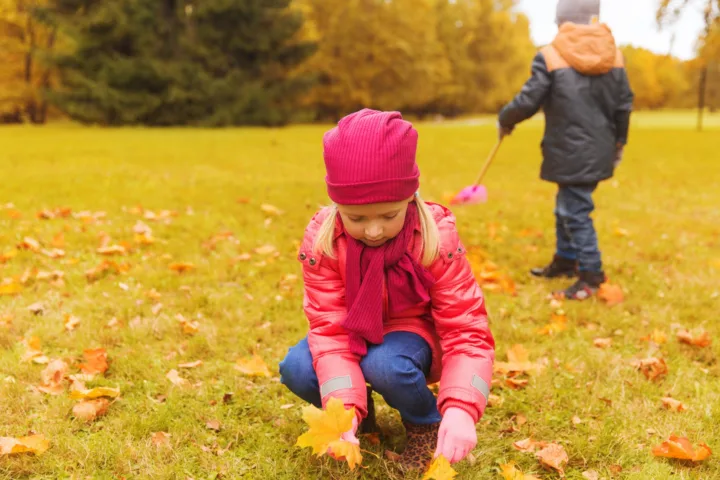
I hand my kid a small basket and we walk the yard or park looking for specific things: a smooth rock, a yellow leaf, a stick longer than her hand. She sorts them by size or texture once we stop. The sorting part turns a simple walk into early science without any worksheets.
Last spring she spent twenty minutes deciding which leaf felt the softest. That kind of focus rarely happens indoors. The only trade-off is the occasional muddy hand or lost sock, but the payoff in calm energy afterward is worth it.
Honestly? This one resets the whole day.
2. Sidewalk Chalk Creations: Draw Big and Messy
I dump a bucket of chalk on the driveway and let her go. She draws roads for toy cars, circles to jump in, or just scribbles. Sometimes we turn it into hopscotch with simple numbers. Large-scale drawing builds hand strength and spatial sense far better than paper does.
I once watched her create an entire “city” that stretched across half the driveway. The rain washed it away the next day, and she did not mind one bit. Cleanup is zero, which is a quiet win for me.
Draw first. Talk later.
3. Water Sensory Play: Pour, Splash, Repeat
I fill a shallow bin with water, add cups, funnels, and a few plastic animals. She pours, fills, and “washes” the toys for ages. On hot days I add a drop of soap for bubbles. Constant pouring strengthens fine motor control while the water keeps everything cool and interesting.
She once spent forty minutes moving water from one cup to another. I sat nearby with coffee and zero complaints. Keep towels ready and never leave her alone near water. That is the only real rule.
Mess equals success here.
4. Mud Kitchen Adventures: Cook Outside
I set a few old pots, spoons, and a small patch of dirt near the garden hose. She mixes mud “soup,” adds leaves, and serves me imaginary meals. Sensory mess like this supports immune health and pure imagination at the same time.
The first time we tried it she declared herself head chef and refused to come inside until dinner. Clothes get filthy. That is the trade-off. I keep an old towel by the door and accept the dirt.
See, the mess is the point.
5. Balance Bike Rides: Build Real Balance
I rolled out a low balance bike once she could run steadily. No pedals, just push and glide. She started with short pushes and now covers the whole sidewalk. Balance practice at this age makes the jump to a real bike smoother later.
She wiped out a few times early on. I stayed close and cheered the next try. Helmets stay on every single time. The confidence boost after a long stretch of gliding is visible on her face.
Push, glide, grin.
6. Backyard Obstacle Course: Crawl, Jump, Balance
I line up a few buckets, a rope on the ground, and a low cardboard box tunnel. She crawls under, jumps over, and walks the line. Simple courses build coordination and problem-solving without any formal rules.
One afternoon she redesigned the whole thing herself and made me run it too. I nearly tripped on my own rope. Keep the challenges short so frustration stays low. She asks for “the course” almost every sunny day now.
Move your body. Laugh harder.
7. Bubble Chasing: Pop Everything in Sight
I blow bubbles with a basic wand and she runs, jumps, and claps them out of the air. Giant bubbles work even better on a breezy day. Chasing builds tracking skills and full-body movement in the lightest way possible.
She once followed a single bubble across the entire yard and cheered when it popped. The mixture is cheap and the laughter is loud. Wind can scatter them too fast, so we pick calmer moments.
Pop. Cheer. Repeat.
8. Simple Gardening Tasks: Water and Dig
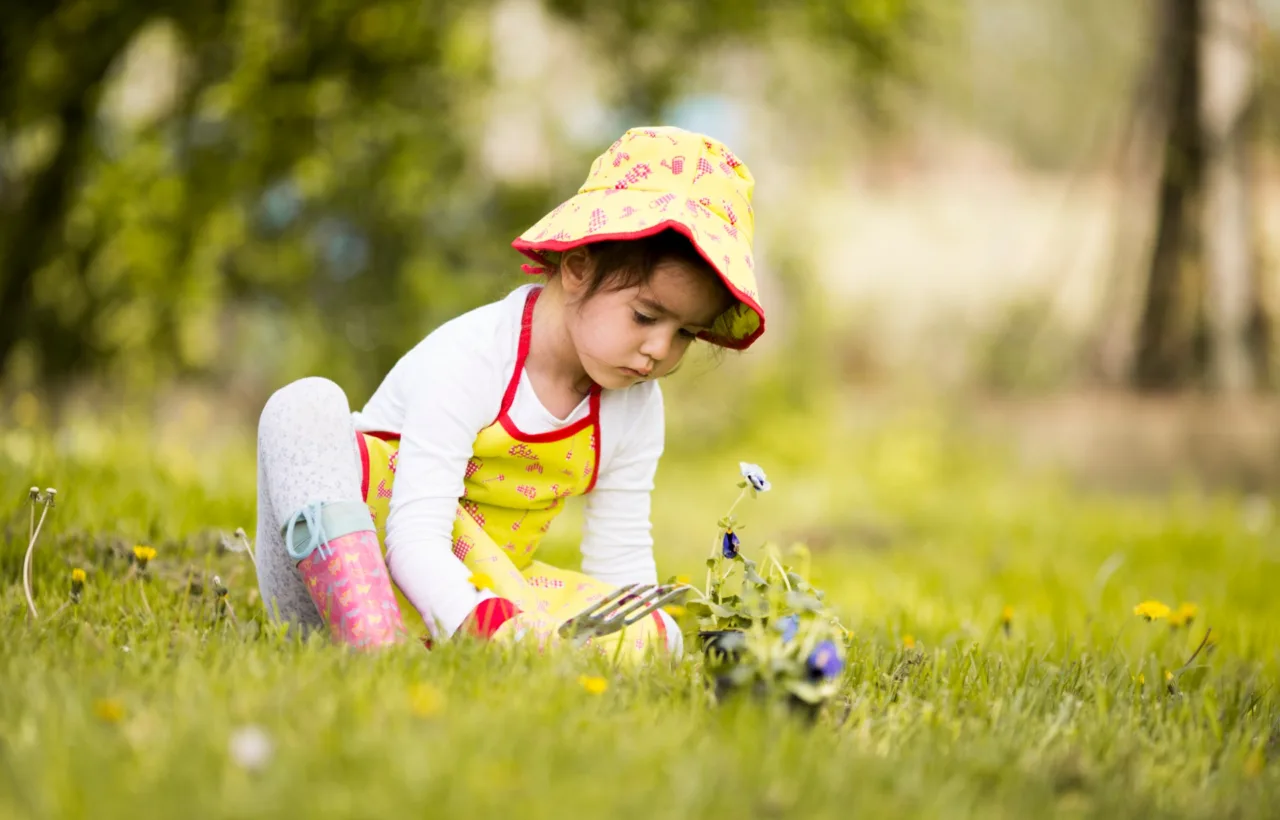
I give her a small watering can and let her water the plants or dig in a designated dirt patch. She plants easy seeds like radishes sometimes. Real jobs like these build responsibility and patience without lectures.
She checks “her” plants every morning now. The first radish she pulled was tiny and she still acted like it was treasure. Gloves help keep nails clean, but dirt under them is normal.
Help out. Grow something.
9. Bug and Insect Hunt: Look Closely
We flip a few rocks or check under leaves with a cheap magnifying glass. She names what she sees and I answer questions. Close observation teaches respect for living things and sharp attention skills.
She found a ladybug last week and talked about it for an hour. I keep the rule clear: look, do not grab the ones that sting. A short hunt beats a long lecture every time.
Slow down. Notice more.
10. Ball Toss and Kick Games: Throw, Catch, Chase
I roll or gently toss a soft ball and she kicks it back or tries to catch. We keep the distance short. Basic ball skills hit major motor milestones while teaching turn-taking.
She still drops more than she catches, and that is fine. The running after missed kicks burns energy fast. Soft balls only. Hard ones bounce too wildly for this age.
Kick it. Chase it. Smile.
11. Animal Movement Games: Hop, Crawl, Roar
I call out animals and we move like them: hop like a bunny, crawl like a bear, stretch like a cat. She adds her own ideas fast. Pretend movement builds strength, balance, and creativity in one go.
One day she invented “dinosaur stomps” that shook the whole porch. I joined in and felt ridiculous in the best way. Keep the list short so it stays fun instead of exhausting.
Move like an animal. Feel free.
12. Outdoor Fort Building: Drape and Hide
I drape an old sheet over two chairs or low branches and she crawls inside with toys. Sticks and blankets work too. Building a private space sparks independent play and spatial thinking.
She spent an entire afternoon “living” in her fort and serving tea to stuffed animals. Wind can knock it down, so we rebuild together. That part is half the fun.
Make a space. Own it.
13. Sandbox Digging and Building: Scoop and Shape
I keep a basic sandbox stocked with buckets and shovels. She digs holes, fills them, and builds small mounds. Sand play strengthens hands and invites endless open-ended ideas.
She once buried a toy so deep we needed a second shovel to find it. The laughter lasted longer than the dig. A cover keeps the cats out. That is the only maintenance I bother with.
Dig deep. Build free.
14. Classic Hide and Seek: Count and Find
I count to ten while she hides behind a bush or tree. We switch roles after a few rounds. This game builds spatial awareness, listening, and pure joy with zero equipment.
She still giggles so hard that I find her in seconds, and she loves it. I keep the hiding spots limited to safe, visible areas. The short rounds match her attention span perfectly.
Hide. Seek. Laugh loud.
How to Choose the Right Outdoor Activity for Your Three-Year-Old
I look at the weather, her energy level, and how much time I actually have. High-energy days call for the obstacle course or bubble chase. Quieter moods fit the scavenger hunt or gardening. I always start with one activity and let her lead if she wants to switch. The biggest mistake I made early on was forcing a long setup when she just needed to run. Now I keep materials simple and ready so we can head out in under five minutes. My personal favorite on most days is the mud kitchen because it holds her longest and leaves both of us relaxed. Watch what makes her light up and lean into that. The rest follows.
Frequently Asked Questions
What are the best outdoor activities for 3 year olds who get bored quickly? Start with short ones like bubble chasing or a five-minute scavenger hunt. Switch the moment interest drops. That keeps the session positive instead of a fight.
How do I choose between these 14 outdoor activities for 3 yrs kids on a busy day? Pick the one with the least setup that matches her current energy. Water play or chalk need almost nothing and still deliver big results.
Do these activities work in small spaces or apartments? Many of them do. Sidewalk chalk, bubbles, and a small water bin fit a patio or nearby park just fine. The fort works with two chairs indoors if weather turns.
How often should a 3-year-old play outside? I aim for at least an hour most days when possible. Even twenty solid minutes of focused outdoor play shifts the rest of the afternoon for both of us.
What if my child is hesitant to try new outdoor activities? Join in fully the first few times. When I dig in the sand or crawl through the obstacle course with her, the hesitation disappears fast.
I keep returning to these because they meet my three-year-old exactly where she is. Fresh air, real movement, and simple materials turn ordinary afternoons into the ones we both remember. Grab one idea, step outside, and let the rest happen.