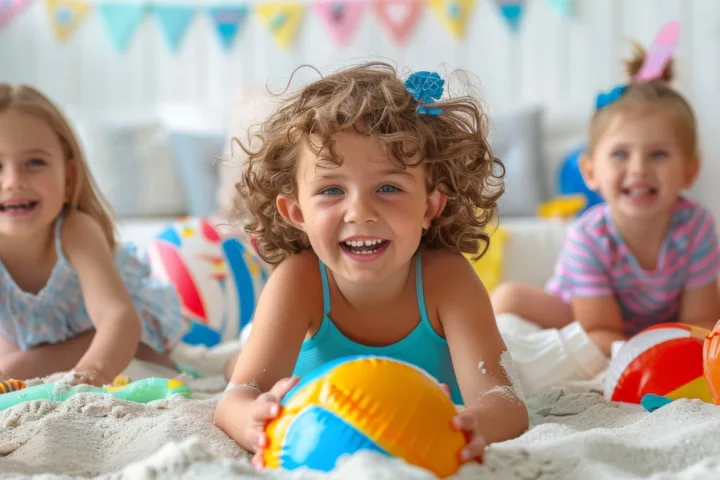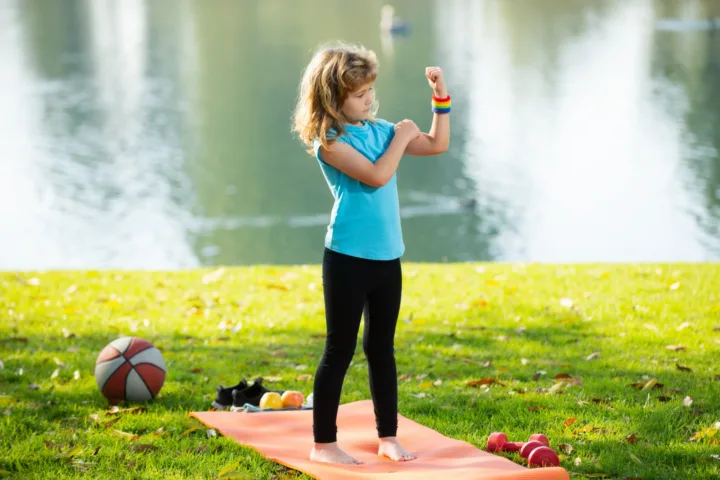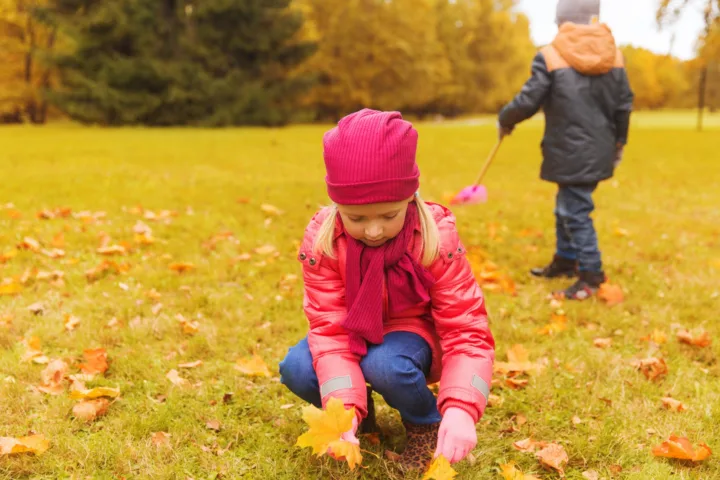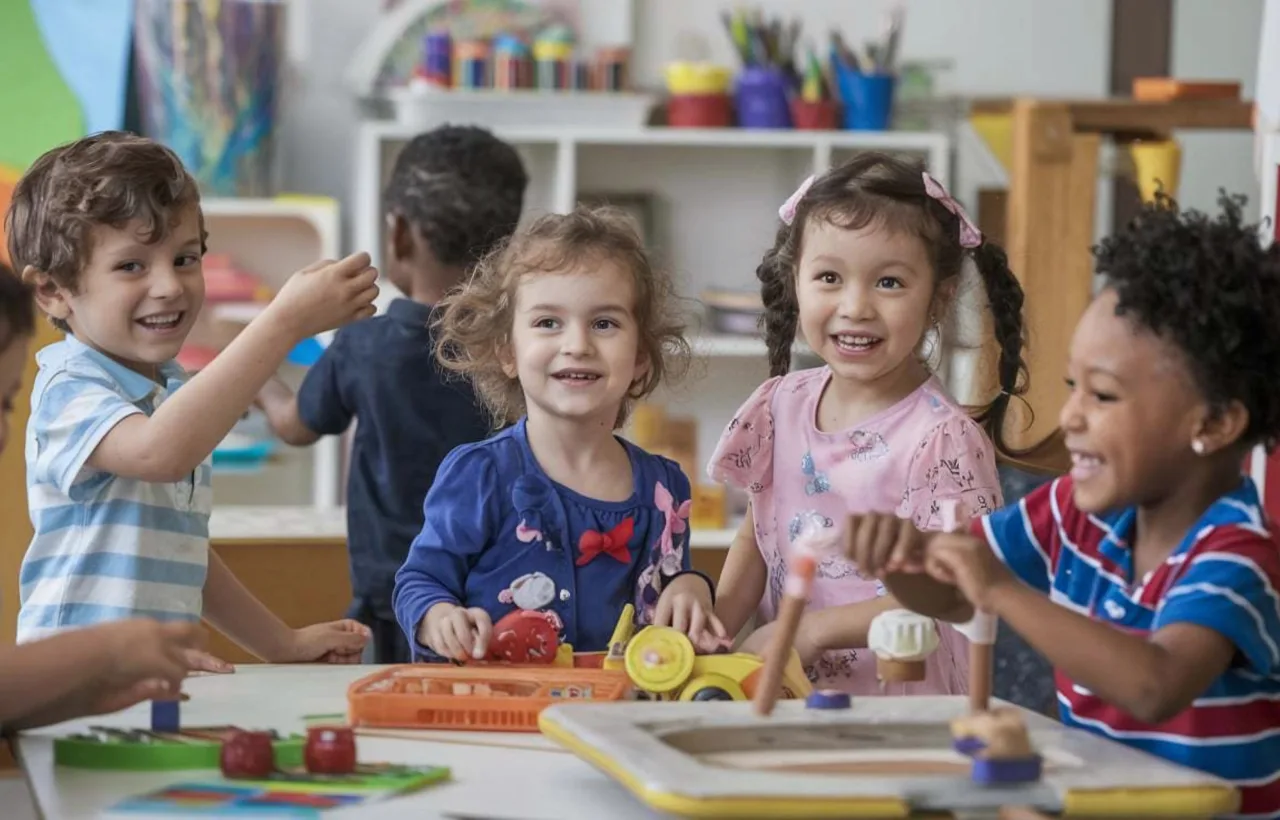

Preschoolers need more than screen time and indoor corners. I learned that the hard way after too many rainy-day meltdowns and restless afternoons. These 12 fun outdoor activities for preschoolers turned our backyard and local park into the places my little one actually begged to visit. They burn energy, spark curiosity, and require almost zero fancy gear.
I picked every idea because I tested them with a three-to-five-year-old who loses interest fast. Most take under ten minutes to set up. All of them work in a small yard, a sidewalk, or a neighborhood green space.
Why These Fun Outdoor Activities for Preschoolers Made My List
I stopped collecting random ideas from the internet years ago. Too many looked cute on paper and flopped in real life. My filter is simple: the activity has to hold a preschooler’s attention for at least fifteen minutes, use stuff I already own or can grab for free, and leave both of us feeling better afterward.
I also paid attention to what research keeps showing. Kids who get outside move more, sit less, and show stronger school-readiness skills. I wanted activities that deliver that without turning the afternoon into a structured lesson. These twelve cleared the bar. Some lean sensory. Some lean gross motor. A few do both.
Honestly? The list is short on purpose. Longer lists overwhelm me. Twelve feels doable.
1. Nature Scavenger Hunt: The Ultimate Attention Magnet
I hand my preschooler a short list of three or four things: a smooth rock, something yellow, a feather, a stick longer than their hand. We walk. They hunt. I follow and narrate a little when they get stuck.
The magic sits in the looking. They slow down. They notice bark texture and ant trails they would have stomped past. I keep the list picture-based so non-readers can still succeed. We adapt it every season. Fall means red leaves. Spring means something soft and green.
Observation skills and vocabulary explode without any worksheets. The only downside is the occasional “I can’t find it” meltdown. I solve that by adding one easy item they already spotted.
This one still works when energy is low and patience is thinner than usual.
2. Water Play Station: Pure Sensory Gold
I drag out a couple of plastic bins, fill them with water, and dump in cups, spoons, funnels, and a few floating toys. That is the whole setup. On hot days it becomes the main event for almost an hour.
Pouring, scooping, and dumping build fine motor control while the cool water resets a cranky mood. I have watched my kid figure out volume without me saying a single teaching word. Kitchen tools work better than fancy water tables most of the time.
The trade-off is wet clothes and a soggy yard. I keep a towel and change of clothes by the door. Worth every drop.
Set this up once and you will reuse it all summer.
3. Mud Kitchen Adventures: Messy Play Done Right
I claim a shady corner, drop in a couple of old pots, a mixing bowl, some spoons, and a small pile of dirt. Add water and leaves. Instant restaurant.
Preschoolers invent soups, cakes, and “medicine.” Language pours out. Social skills show up when a friend visits. Sensory input stays high without plastic sensory bins that smell weird after two uses.
The controlled mess is the point. I accept that clothes will get dirty. I also accept that some days the “kitchen” turns into pure stomping. Both count as wins.
I still smile when I remember the first time my kid offered me a mud cupcake with a straight face.
4. Bubble Exploration: Instant Joy Delivery
I blow bubbles. They chase. They pop. They watch them float and burst. Hand-eye coordination gets a serious workout. So does pure delight.
I make a big batch of homemade solution so we never run out mid-play. Food coloring turns the bubbles into temporary sidewalk art when they land. The only real limit is wind. On calm days this activity lasts longer than I expect.
Simple tools. Big payoff. Do not overthink the wand. A plastic ring from an old toy works fine.
Bubbles never feel like work. That alone makes them a regular.
5. Backyard Obstacle Course: Gross Motor Powerhouse
I use whatever is lying around: pool noodles, a hula hoop, a couple of cushions, a low cardboard box. Kids crawl under, jump over, balance across, and weave through. I change the order every few days so it stays fresh.
This builds strength, balance, and problem-solving in one go. My preschooler talks through the course out loud, which is pure gold for planning skills. The course can grow harder as they do.
The downside is setup time on busy mornings. I keep a small bag of “course pieces” ready so I can throw it together in under five minutes.
Movement plus imagination equals fewer indoor battles later.
6. Sidewalk Chalk Worlds: Creative Freedom on Concrete
I hand over a bucket of chalk and step back. Circles become hop targets. Roads appear for toy cars. Letters and numbers show up when they feel like practicing. Some days they just scribble giant shapes and declare them monsters.
Temporary art removes pressure. Rain erases everything and that feels exciting instead of sad. I join in sometimes and draw a simple path they can follow.
Creative risk-taking happens faster outdoors. No one worries about the carpet. The only caveat is a rainy forecast that ends the session early. We just switch to puddle stomping instead.
Chalk remains one of the cheapest ways to stretch outdoor time.
7. Bug Watching and Mini Hotels: Quiet Science in Action
We sit still near a flower bed or under a bush. I hand over a magnifying glass. We watch ants, beetles, and worms do their thing. Later we build a simple bug hotel from sticks, leaves, and a cardboard tube.
Patience grows. Respect for tiny lives grows. Early science vocabulary appears without flashcards. I never force touching. Looking first is enough.
Some kids freak out at the first bug. I stay calm and model curiosity. It usually flips within a few minutes.
This activity slows the whole day down in the best way.
8. Simple Garden Planting: Responsibility You Can See
We plant a few sunflower seeds or cherry tomato starts in a pot or a patch of dirt. My preschooler waters them. We measure growth with a stick marked in crayon. Watching the first shoots appear still feels like magic.
Life cycles become real. Care becomes concrete. The wait teaches patience better than any lecture. I pick plants that grow fast so the reward comes before interest fades.
The honest limit is weather and attention span. Some seeds fail. We plant again. Failure is part of the lesson.
This one sticks with kids long after the season ends.
9. Birdwatching with a Simple Feeder: Observation Without Pressure
I hang a cheap feeder or just scatter seed on a flat rock. We sit a short distance away with a notebook. My kid draws whatever shows up or just describes the colors and sounds.
Observation skills sharpen. Quiet focus improves. Connection to the living world deepens. No special equipment required beyond patience and a handful of seed.
The trade-off is slow starts on quiet days. I bring a snack so waiting feels less boring.
Birds still surprise us years later.
10. Leaf Collecting and Printing: Nature Art That Works
We gather leaves of different shapes and sizes. Back home or right on the picnic table we paint one side and press it onto paper. The veins show up like magic.
Fine motor practice meets early science. Texture talk happens naturally. The prints make easy keepsakes or gifts for grandparents.
Mess stays manageable if I set a plastic sheet underneath. Some leaves tear. That is fine. The process matters more than perfect prints.
I still have a stack of these from last fall.
11. Puddle Jumping and Rainy Day Walks: Weather Resilience
Rain does not cancel outdoor time at our house. We put on boots and head out. Jumping in puddles, catching drops in a cup, and watching water run down the sidewalk all count.
Sensory input stays high. Mood often lifts. Kids learn that weather is something to meet instead of hide from. I keep the sessions shorter on cold days and always pack a full change of clothes.
The only real downside is wet everything. I accept it. The joy outweighs the laundry.
This activity taught me more about flexibility than any parenting book.
12. Shadow Play and Outdoor Ball Games: Movement with a Twist
On sunny days we notice our shadows, make them big or small, and chase them. Other days I bring out a soft ball for rolling, kicking, or simple catch. Both build coordination and body awareness without competitive pressure.
Shadows introduce light and space in a playful way. Ball play adds social turn-taking when a friend joins. I keep expectations low. Fun first. Skill second.
Wind can kill the shadow game. Mud can pause the ball. We switch activities instead of forcing it.
These two fill the gaps when other ideas feel too big for the moment.
How to Choose the Right Outdoor Activity for Your Preschooler
I match the activity to the day’s energy and the weather. High-energy mornings get the obstacle course or scavenger hunt. Quiet or overstimulated afternoons get water play, bubbles, or bug watching. Hot days scream for water. Cool days open the door for chalk and planting.
Common mistakes I made early on: over-planning, forcing a finished product, and quitting at the first complaint. Now I set up, step back, and follow their lead for at least ten minutes before deciding it is a dud. Most “failures” just need a small tweak.
If I had to pick only three for a brand-new preschool parent, I would start with the scavenger hunt, water play, and mud kitchen. They cover sensory, motor, and imaginative needs with almost no cost. Everything else can grow from there.
Watch your own kid. The activity that makes their eyes light up is the one to repeat.
Frequently Asked Questions
How much outdoor time do preschoolers actually need? Most guidelines point toward at least an hour a day of active outdoor play, and more is better when possible. I aim for two shorter sessions instead of one long forced stretch.
What if I only have a tiny yard or just a sidewalk? Almost every activity on this list works in small spaces. Chalk, bubbles, water bins, and shadow play need almost no room. Scavenger hunts and birdwatching travel well to the nearest park.
Which of these fun outdoor activities for preschoolers work best for beginners? Start with bubbles and water play. They require almost zero instruction and deliver quick success. Once your child is comfortable outside, add the scavenger hunt or a simple obstacle course.
How do I keep outdoor play from turning into pure chaos? Set one clear boundary before you start, like “feet stay on the grass” or “water stays in the bins.” Then join the play for the first few minutes so the energy has a focus. Chaos usually settles once the activity clicks.
What if my preschooler refuses to go outside? I lower the bar. “Let’s just blow three bubbles and come back in.” Most days the three bubbles turn into twenty. Bribery with a favorite snack outdoors also works more often than pure persuasion.
I still rotate through these twelve activities every week. Some days we only manage one. Other days we string three together and lose track of time. The point was never perfection. The point was getting outside often enough that it felt normal.
Your preschooler will remember the mud pies and the bubble chases long after they forget the indoor worksheets. Start with one idea this week. See what sticks. Then try another. The list is here whenever you need the next spark.