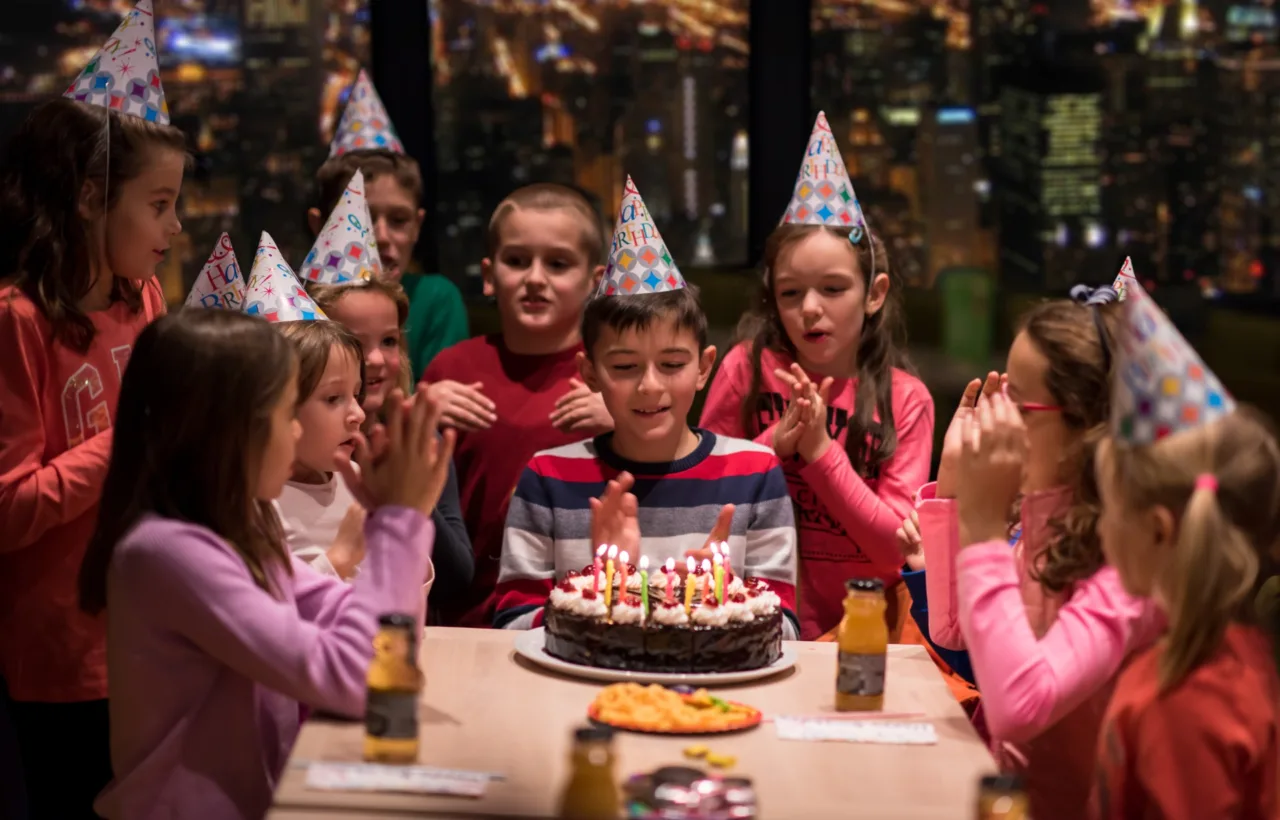

I have hosted more indoor birthday parties than I care to count. Rain, snow, tiny apartments, or just a kid who hates the outdoors: these 14 indoor activities for birthday parties have saved me every single time. They keep energy high without destroying the furniture or my patience.
Why These 14 Indoor Activities for Birthday Parties Made the Cut
I picked these after years of trial and error with groups of 6 to 15 kids in average-sized homes. My criteria stayed simple: low setup time, supplies most people already own or can grab cheaply, and a mix of high-energy and calmer options so the party does not collapse into chaos. I skipped anything that needs a big empty gym or special equipment. These ones work in living rooms, basements, or even open-plan apartments. Honest trade-offs included.
1. Freeze Dance: The Energy Reset Button
Music starts. Kids go wild. Music stops. They freeze in the silliest pose possible. Anyone who moves is out or becomes a judge. I run this one early because it burns the initial chaos fast.
The best part is how self-regulating it feels. Shy kids can ease in. High-energy kids get their outlet. I keep a short playlist of current favorites and older hits so no one complains about the songs. One caveat: the volume needs to stay reasonable or the neighbors will hate you.
I once watched a group of eight-year-olds hold a perfect flamingo pose for a full thirty seconds. Pure gold. Run it for ten minutes max. Then move on while they still want more.
2. Indoor Obstacle Course: Build It From What You Own
Couch cushions become tunnels. Painter’s tape creates balance beams on the floor. Chairs turn into hurdles. Kids race the course one at a time while I time them on my phone. The birthday child usually gets to design the first version.
Flexibility is the real win here. A small apartment gets three stations. A bigger house can stretch to six. I always include one “silly” obstacle like crawling while balancing a soft toy on their head. Cleanup takes minutes because everything goes back where it started.
The only downside: you need to clear breakables first. Do that the night before. Kids will ask to run the course again and again. Let them. It buys you breathing room.
3. Balloon Volleyball: Soft, Safe, and Surprisingly Competitive
String a piece of yarn or tape across the room as a net. Blow up a few balloons. Kids hit the balloon over the “net” without letting it touch the floor. Teams form fast. Scores get loud.
Balloons keep everything indoor-safe. No windows broken. No furniture dented. I usually play kids versus parents for one round. The adults lose on purpose and the room erupts. One honest note: balloons pop eventually. Have extras ready.
This activity lasts longer than most people expect. Fifteen minutes of pure laughter is common. Then I move the balloons into a different game so the energy stays high.
4. Scavenger Hunt With Clues: The Built-In Adventure
I hide simple clues around the house that lead from one spot to the next. The final clue reveals the “treasure,” usually the cake or a box of small favors. Rhyming clues work best for younger kids. Older ones get riddles.
Teamwork kicks in without me forcing it. Groups of three or four solve faster and argue less. I write the clues the night before and hide them after the first few guests arrive. The only real limit is space. Too many kids in a tiny place turns the hunt into a stampede. Cap the group or run two parallel hunts.
Kids still talk about the time the last clue was taped under the birthday child’s own chair. That kind of payoff sticks.
5. Slime Station: Messy Fun With Clear Boundaries
Pre-make a basic slime base. Set out small cups of glitter, food coloring, and beads. Each child gets their own container and mixes a personal batch. I cover the table with a plastic cloth and keep wet wipes within arm’s reach.
Sensory play wins every time. Even kids who claim they hate crafts end up elbow-deep. The takeaway is real: they leave with something they made. The trade-off is cleanup. Plan for sticky fingers and one extra bag for the trash.
I limit this station to twenty minutes. After that the novelty fades and someone always tries to throw slime. Timing matters.
6. Cupcake Decorating: Edible Craft Time
Bake or buy plain cupcakes ahead of time. Set out frosting in squeeze bottles, sprinkles, and a few candy toppings. Kids decorate their own. Categories like “most colorful” or “funniest face” keep the competition light.
Food doubles as the activity. No one complains about waiting for cake when they already decorated their own. I use mini cupcakes for smaller hands and less waste. One clear downside: frosting ends up on faces, clothes, and occasionally the floor. Aprons help. So does a quick wipe-down station nearby.
This one always becomes the quietest twenty minutes of the party. Kids focus hard when sugar is involved.
7. Blanket Fort Camping: Instant Cozy Magic
Drape blankets over chairs and tables. Add pillows, string lights if you have them, and a few stuffed animals. Dim the overhead lights. Suddenly the living room feels like a secret base.
Imagination takes over with almost zero cost. I add a short story time or flashlight “campfire” tales inside the fort. The caveat is space. A large group needs multiple small forts or the structure collapses under too many bodies. Build it before guests arrive so the first kids can help finish the details.
Some of my best party photos come from inside these forts. Kids whisper and giggle like the rest of the world disappeared.
8. DIY Movie Night With a Snack Bar
Push furniture aside. Spread blankets and pillows on the floor. Queue up a short age-appropriate movie or a couple of episodes. Set up a simple popcorn bar with two or three toppings in separate bowls.
Low effort, high comfort. This works especially well as a wind-down activity after active games. I keep the runtime under forty-five minutes so attention does not wander. The only real risk is snack spills on the blankets. Use dark-colored ones or old sheets.
I once ran this for a group of tired six-year-olds and the room went silent for the first time all afternoon. Bliss.
9. Minute to Win It Stations: Sixty Seconds of Pure Chaos
Set up four or five quick challenges using household items: stack cups into a pyramid, keep three balloons in the air, move cotton balls with a spoon held in the mouth. Kids rotate every minute. A simple scoreboard keeps interest high.
Speed is the secret. No long explanations. No waiting around. I demonstrate once, then start the timer. Supplies stay cheap and familiar. The downside is noise. These games get loud fast. Warn the household or the neighbors if needed.
One round of “cookie face” (moving a cookie from forehead to mouth without hands) produced the funniest faces I have ever photographed at a party.
10. Art Station With Take-Home Pieces
Cover a table. Hand out small canvases or thick paper, washable paints, and brushes. Let kids create freely or give a loose prompt like “paint your favorite animal.” The finished pieces go home as favors.
Creative freedom without pressure. Shy kids often open up here. I keep wet wipes and a drying rack ready. One practical limit: younger kids need more supervision with the paint. Older ones can handle it solo.
I still have a few of these paintings taped in my kitchen from parties years ago. They hold better memories than most store-bought favors.
11. Limbo Contest: Classic Movement With a Twist
Two adults hold a broomstick or pool noodle. Music plays. Kids lean back and try to pass under without touching the stick. Lower it after each successful round.
Everyone stays involved. Eliminated kids can cheer or help hold the stick. I keep the music upbeat and the rules loose for younger ages. The only caution is back flexibility. Some kids push too hard. I watch for that and stop the round if needed.
This game ends with cheers every time. It feels like a real competition without any complicated scoring.
12. Musical Chairs With a Kind Twist
Arrange chairs in a circle, one fewer than the number of kids. Music plays. When it stops, everyone finds a seat. The child left standing becomes the new music controller instead of sitting out completely.
Less elimination drama. Kids stay part of the action even after they miss a seat. I use this mid-party when energy needs a structured outlet. Space is the only real requirement. Clear a decent circle first.
The birthday child almost always wants to control the music at some point. Let them. It feels special.
13. Simple Science Experiments: Wow Moments on Demand
Baking soda and vinegar volcanoes. Homemade slime variations. Invisible ink with lemon juice. I set up two or three stations and let small groups rotate.
Curiosity does the heavy lifting. Kids lean in close and ask questions without prompting. Supplies stay basic and cheap. The trade-off is timing and mess. These experiments need adult eyes and a protected surface. I never run more than two at once.
The volcano always gets the biggest reaction. Foam everywhere. Cheers. Then a quick cleanup and on to the next thing.
14. Building Challenge Station: Quiet Focus When You Need It
Dump out a big bin of blocks, magnetic tiles, or LEGO. Give a clear challenge: tallest tower that stands for ten seconds, or a bridge that can hold a toy car. Kids work alone or in pairs.
Self-paced and low noise. This station becomes a natural cool-down after louder games. I write the challenges on simple cards so kids can pick their own. The only limit is the size of your block collection. Borrow from friends if needed.
I have watched kids who barely spoke all party suddenly collaborate for twenty straight minutes on a castle. That shift is worth every plastic brick.
How to Choose the Right Mix for Your Party
Start with two high-energy activities, add one creative station, then plan a calmer transition before cake. Age matters more than you think. Younger kids need shorter rounds and more adult help. Older ones handle longer challenges and more independence. Space decides the rest. A small apartment leans toward seated crafts and freeze dance. A bigger house can handle full obstacle courses.
I always keep one backup activity ready. Something always runs longer or shorter than planned. Watch the room. When the energy dips or the noise spikes, switch. Do not force a full list if the kids are already happy with three solid ones. The goal is fun that feels easy, not a rigid schedule that stresses everyone out.
My personal default for most parties: freeze dance, obstacle course, cupcake decorating, and a short scavenger hunt. That combination has never failed me.
Frequently Asked Questions
What are the best indoor activities for birthday parties with mixed ages? Mix high-energy games like freeze dance with stations that let kids work at their own pace, such as art or building challenges. The older kids can help the younger ones without slowing the whole group down.
How many activities should I plan for a two-hour party? Four to six is plenty. Alternate active and calmer options every fifteen to twenty minutes. Leave buffer time for cake, presents, and the inevitable extra round of a favorite game.
What if I have a very small living room? Focus on balloon volleyball, freeze dance, slime or cupcake stations, and a simple scavenger hunt that uses vertical space (under tables, behind doors). Skip anything that needs a long open path.
Do these indoor activities for birthday parties work for toddlers? Many do with simple tweaks. Shorten the rounds, use softer materials, and keep adult hands nearby. Freeze dance, blanket forts, and basic art stations translate especially well.
What should I do if the kids get bored halfway through? Switch to a Minute to Win It station or pull out the building challenges. Quick changes keep momentum better than pushing through an activity that has already lost its spark.
I still get messages from parents who used these ideas and reported calm, happy kids at the end of the party. That is the real test. Pick a few that fit your space and your group. Set them up the night before when possible. Then stay flexible once the guests arrive. The best indoor birthday parties feel a little messy and a lot of fun. You already have everything you need to make that happen.