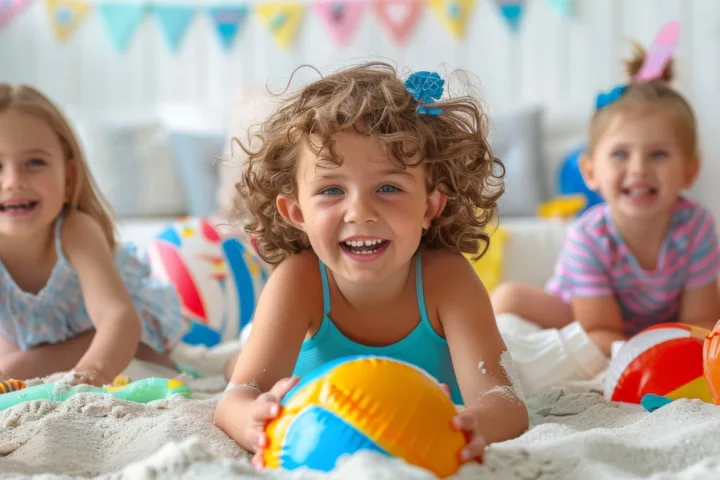
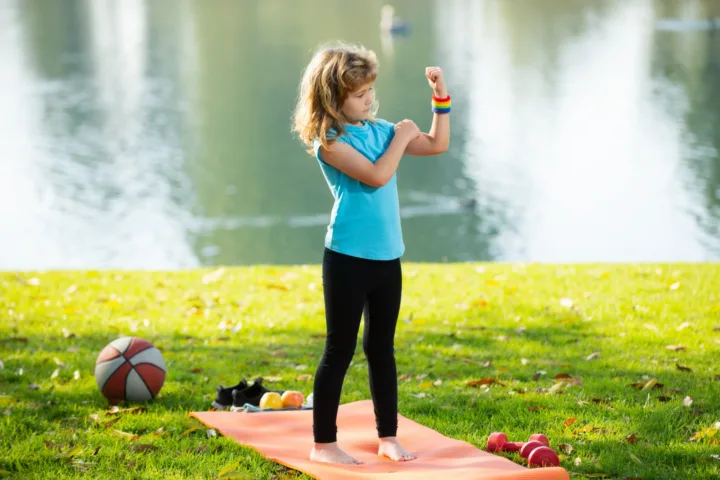
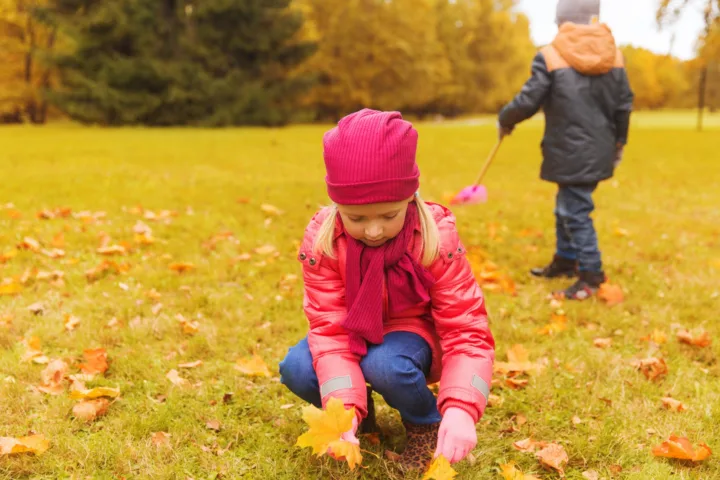
I spend a lot of time outside with preschoolers, and these 14 outdoor activities for kids preschool turn ordinary backyard time into real skill-building fun. My own kid used to melt down the second screens went off. Getting outside fixed most of that faster than any indoor plan I tried.
These ideas work in a small yard, a park, or even a sidewalk strip. No fancy gear required.
Why This List of 14 Outdoor Activities for Kids Preschool Works
I picked these after watching what actually holds a 3-to-5-year-old’s attention for more than five minutes. The list leans on movement, sensory input, and simple nature finds because those three things keep preschool brains engaged without constant adult prompting.
I skipped anything that needs expensive kits or perfect weather. Every activity here uses stuff you already have or can grab for free. I also tested them across different energy levels. Some days my kid wants to race. Other days they want to sit and stare at clouds. This mix covers both.
You get variety without overwhelm. That is the whole point.
1. Nature Scavenger Hunt: The Instant Focus Switch
I start almost every outdoor session with a scavenger hunt. I write five simple items on a sticky note: something green, something rough, a stick longer than your hand, a smooth rock, and something that makes a sound when you shake it. Hand the list over and watch the shift. My preschooler goes from restless to locked-in within thirty seconds.
The real win is observation practice. Kids learn to look closely instead of just running past everything. I keep the list short on purpose. Longer ones turn into frustration.
One caveat: skip anything that involves picking living plants or disturbing nests. We stick to fallen items only.
Try this first on a day when energy is high. It burns off the wiggles and sets a calm tone for whatever comes next.
2. Bug Hunt: Tiny World Discovery
I hand over a cheap magnifying glass and we crawl around looking for ants, beetles, or spiders. No catching required. Just watching. My kid once spent twenty minutes tracking a single line of ants carrying a crumb. I sat nearby and barely said a word.
This builds quiet focus better than most indoor puzzles. It also teaches respect for living things. I always say the same line: “We look with our eyes, not our hands.”
The trade-off is weather. Cold mornings slow the bugs down. I save this one for warmer afternoons.
Honestly? Some of the best conversations start here. My kid asked why ants walk in lines. That led to a whole talk about teamwork without me forcing a lesson.
3. DIY Obstacle Course: Gross Motor Reset
I drag out cones, a pool noodle, a couple of cardboard boxes, and a jump rope. In five minutes we have a course: crawl under the noodle, hop over the rope, balance on a line of rocks, then race to the finish cone. My preschooler begs to run it again and again.
Balance and coordination improve fast with this one. I change one element every time so it stays fresh. Sometimes I add a “carry the stuffed animal” challenge just for laughs.
Watch the surface. Grass is safer than concrete for the hopping parts. I learned that the hard way after one scraped knee.
This is my go-to when cabin fever hits hard. Ten minutes of this and everyone feels better.
4. Water Play Station: Splash Science
I fill two plastic bins with water, add cups, spoons, and a few plastic animals. That is the whole setup. My kid pours, dumps, and “washes” the animals for ages. On hot days I let them go barefoot and get soaked.
Hand-eye coordination and early science concepts show up without any teaching. They figure out volume and cause-and-effect on their own.
The downside is the mess. I keep towels and a change of clothes right by the door. Worth it every time.
FYI, this works even in cooler weather if you keep the water lukewarm and limit the time. My kid still asks for “the water toys” in early spring.
5. Simple Gardening: Dirt and Responsibility
We plant beans or radishes in a small pot or a corner of the yard. My preschooler digs the hole, drops the seed, and waters it. Then we check every day. The first sprout still gets a cheer from both of us.
Patience and care for living things grow right along with the plants. I keep expectations low. Some seeds fail. That becomes its own lesson.
One honest limit: not every climate supports year-round planting. I switch to herbs in pots during colder months so we can still dig.
I rate this high because the pride lasts. My kid still points to the tomato plant we started last year and says “I grew that.”
6. Nature Art Station: Create with What You Find
I set out paper, tape, and crayons on a picnic table. Then we collect fallen leaves, small sticks, and petals. My kid arranges them into faces, animals, or random designs and tapes them down. Sometimes we press leaves under books for a day and use them later.
Creativity meets nature without a single plastic craft kit. The textures alone keep hands busy.
Wind can scatter everything. I learned to work on a tray or in a sheltered spot.
This one feels different every season. Fall leaves give the best colors. Spring brings softer greens. I never get tired of watching what they invent.
7. Cloud Watching: Slow-Down Magic
We spread a blanket on the grass and lie on our backs. I ask one question: “What do you see?” Then I shut up. My kid has spotted dragons, boats, and once an entire pizza in the clouds.
Imagination and calm arrive together. This is the only activity that consistently lowers energy instead of raising it.
The catch is clear skies. Overcast days kill the fun. I save it for those perfect blue-sky afternoons.
See, this is the one I use when everyone needs a reset. No equipment. No cleanup. Just quiet.
8. Sensory Nature Walk: All Five Senses
I take a short loop around the block or through a park. At each stop I ask for one sense: “What do you hear? What can you touch that feels rough?” My preschooler starts noticing bark texture, bird calls, and the smell of cut grass.
This trains attention better than any worksheet. It also burns energy without feeling like exercise.
Keep the walk short. Fifteen minutes is plenty for this age. Longer ones turn into complaints.
I add a small bag for “treasures” they can keep (fallen only). That keeps motivation high.
9. Birdwatching: Quiet Observation Practice
I hang a basic feeder near a window or sit on the porch with a pair of plastic binoculars. We watch who shows up. My kid learned to sit still for longer stretches because the birds only come when things stay calm.
Patience and careful looking develop naturally. I keep a simple picture chart of common birds so we can name them later.
The limitation is location. Apartment balconies work if you can hang a feeder safely. Otherwise a park bench does the job.
IMO this is one of the gentlest ways to introduce real science. No pressure. Just watching.
10. Classic Hopscotch: Numbers and Balance
I draw a grid with sidewalk chalk and we take turns tossing a small stone and hopping. My preschooler practices counting out loud while balancing on one foot.
Number recognition and body control improve together. I keep the grid simple at first. Six squares is enough.
Wet chalk lines smear. I wait for dry pavement or switch to painter’s tape on a driveway.
This is pure playground nostalgia that still works. My kid asks for it by name now.
11. Sidewalk Chalk Masterpieces: Free Expression
I hand over a full box of chalk and step back. Sometimes my kid draws roads for toy cars. Sometimes they outline their own body and color it in. The pavement becomes the canvas.
Self-expression and fine motor skills get a full workout. Rain washes it away, which teaches a gentle lesson about temporary art.
I only intervene if the drawings start covering the neighbor’s walk. Otherwise I let it run.
This one requires almost zero setup and delivers high satisfaction. Hard to beat that ratio.
12. Leaf Printing and Rubbings: Art Meets Science
We collect different leaves, place them under paper, and rub crayons over the top. The veins appear like magic. Then we talk about why some leaves look different from others.
Texture and pattern recognition click fast. I keep a few thicker leaves for better prints.
Some kids press too hard and tear the paper. I demonstrate a lighter touch first.
This pairs perfectly with a nature walk. Collect during the walk, create when we get back.
13. Outdoor Dramatic Play: Stories Come Alive
I bring a basket of dress-up clothes, a couple of pots, and a blanket. Suddenly the picnic table becomes a spaceship or a restaurant. My preschooler assigns roles and runs the whole show.
Language skills and social practice explode outside. Fresh air seems to unlock bigger ideas than indoor play.
The only real limit is cleanup. I set a five-minute tidy timer before we head in.
I rate this high on days when my kid needs to lead. Outside they take more risks with stories.
14. Outdoor Music and Movement: Rhythm in the Open Air
I grab a few plastic containers, a wooden spoon, and a small drum if I have it. We march, dance, and make noise. Sometimes I put on a song from my phone. Most times we just invent the beat.
Coordination and emotional release happen at the same time. Loud is allowed outside. That freedom matters.
Neighbors might not love the volume. I keep sessions short and move farther from fences if needed.
This is my secret weapon for the late-afternoon crankies. Music plus movement resets the mood almost every time.
How to Choose the Right Outdoor Activities for Your Preschooler
I match the activity to the day’s energy and the weather. High-energy mornings get the obstacle course or hopscotch. Quiet afternoons get cloud watching or birdwatching. If the forecast shows rain, I shift to water play under a porch or stick with chalk on a covered patio.
Common mistake: forcing a long list in one day. One or two solid activities beat a rushed marathon. Another mistake is skipping the simple setup. Five minutes of prep prevents the “I’m bored” spiral.
I personally rotate three favorites each week and keep the rest in reserve. That keeps novelty without overwhelm. Watch what your kid returns to on their own. That is the real ranking system.
Frequently Asked Questions
What is the best outdoor activity for a preschooler who gets bored fast? Nature scavenger hunts and obstacle courses work best in my experience. Both give clear goals and constant movement so attention stays locked in longer.
How do I pick between these 14 outdoor activities for kids preschool when time is short? Choose one movement activity and one quiet one. That balance covers most needs without overplanning.
Do these activities work in a small apartment courtyard? Yes. Water play, chalk, cloud watching, and music all fit in tight spaces. Scavenger hunts and bug hunts just need a short sidewalk stretch.
How often should preschoolers get outdoor time? I aim for at least one solid stretch most days. Consistency matters more than perfect weather or long sessions.
What if my child only wants screens? Start with the highest-energy options like the obstacle course or water play. Once they are moving and laughing, the screens lose their pull for a while.
I keep coming back to these fourteen because they deliver real results without stress. My preschooler moves more, notices more, and melts down less. That is the quiet win I care about most. Grab one idea tomorrow and try it. You will see the difference faster than you expect.