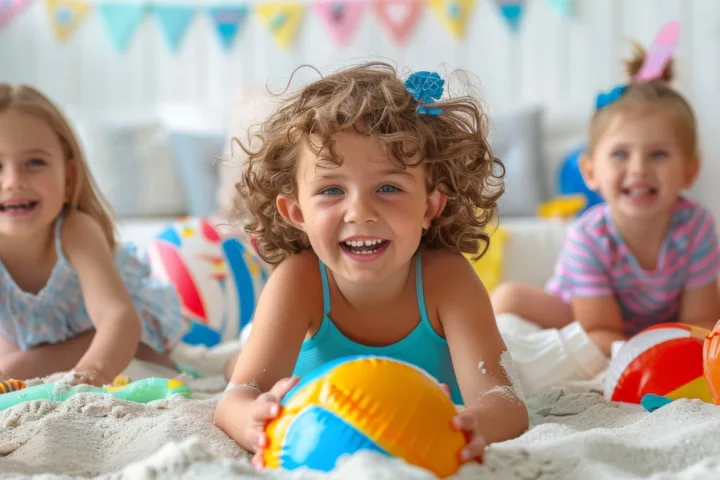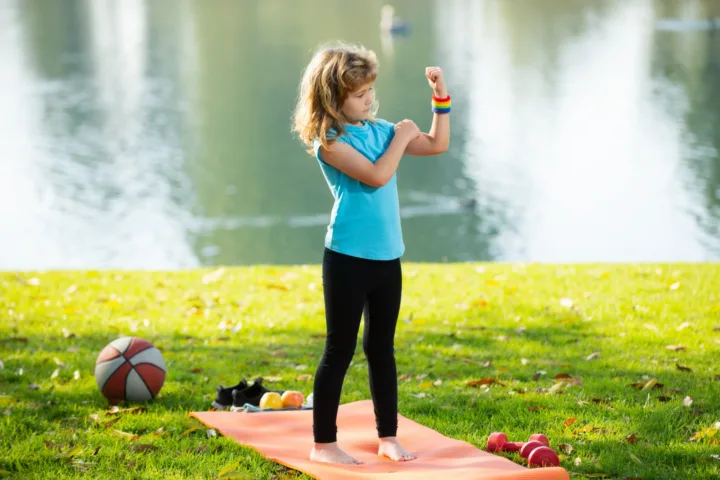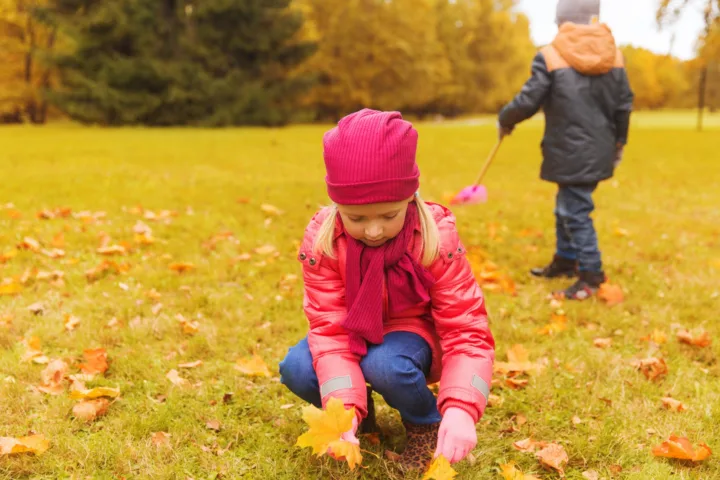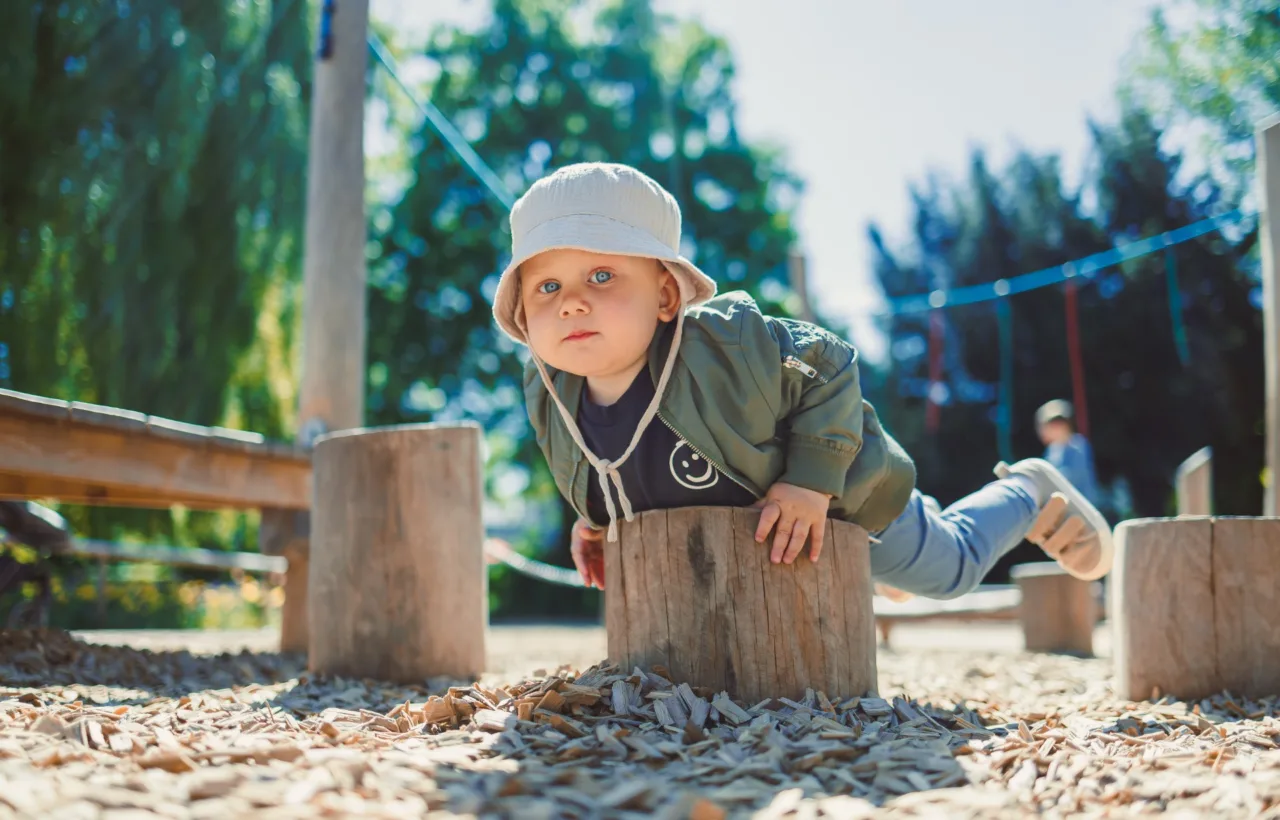

I spent months testing outdoor activities for 2 year olds in my own backyard and local parks. My toddler’s attention span is short, the mess factor is real, and I needed ideas that worked without constant hovering. These 14 outdoor activities for 2 year olds became my go-to list because they deliver movement, sensory input, and real fun without requiring expensive gear.
Why These 14 Outdoor Activities for 2 Year Olds Made the Cut
I picked every item here based on what held my kid’s focus longer than five minutes and what I could set up in under ten. Safety, low cost, and skill-building mattered most. I skipped anything that needed perfect weather or adult-level setup. Honestly? The ones that survived real toddler chaos made this list. See, I wanted activities you can pull out on a regular Tuesday, not just Pinterest-perfect weekends.
1. Nature Treasure Hunt: The Ultimate Attention Grabber
I hide a handful of small toys or colorful objects around the yard and hand over a little basket. My toddler races around looking for them while I call out simple clues like “near the big tree.” It turns a plain walk into a mission.
The standout part is the thrill of discovery. It builds observation skills and keeps legs moving. The caveat is that you have to hide things at toddler height and avoid anything too small that could go in a mouth. I learned that the hard way once.
This one works almost every single time I need a quick win.
2. Mud Kitchen Play: Mess That Pays Off
A patch of dirt, a cup of water, and a few old spoons or bowls is all it takes. My kid mixes, pours, and “cooks” for solid stretches. I sit nearby and narrate what they make.
Sensory input here is unmatched. Dirt texture plus water equals deep focus. The trade-off is the cleanup. I keep a hose ready and old clothes on standby. IMO, the engagement is worth every muddy footprint.
Don’t skip this if you want real outdoor immersion.
3. Sidewalk Chalk Drawing: Instant Creative Outlet
I dump a box of chunky chalk on the driveway and let my toddler scribble freely. Sometimes we draw simple roads for toy cars. Other days it’s just colorful marks everywhere.
Fine motor practice happens without any push. The freedom to make big strokes feels different from paper. Rain washes it away, which is both a plus and a downside if you wanted to keep a masterpiece.
This remains one of the lowest-effort options I reach for.
4. Bubble Chasing: Pure Joy in Motion
I blow bubbles with a basic wand and watch the chase begin. My two-year-old runs, jumps, and pops them with pure focus. We take turns so they also get to try blowing.
Hand-eye coordination gets a solid workout. The only real limit is wind. On breezy days the bubbles disappear too fast. Still, the laughter is constant.
Keep a bottle in the car for park days. You will thank yourself.
5. Water Painting: Mess-Free Art
A bucket of water and a wide paintbrush turn the fence or driveway into a canvas. My toddler “paints” big strokes that disappear as they dry. No cleanup beyond dumping the water.
Cause and effect clicks fast here. They see the marks appear and vanish. The downside is limited lasting power. Once it dries, the interest can drop. I usually pair it with another activity.
This one is perfect for warmer days when you want zero sticky residue.
6. Simple Backyard Obstacle Course: Energy Burner
I line up a few cushions, a low step, a hula hoop on the ground, and a short tunnel made from a cardboard box. My kid crawls, steps, and jumps through the path. I change the order every few minutes to keep it fresh.
Gross motor skills improve fast. Balance and body awareness get real practice. The caveat is supervision. Toddlers can get ambitious and attempt bigger jumps than they should. I stay close.
This burns energy better than almost anything else on the list.
7. Sandbox Digging: Classic for a Reason
A basic plastic tub filled with play sand, a shovel, and a few cups keeps my toddler busy. They dig holes, fill containers, and dump everything out again. I add toy trucks when interest starts to fade.
Fine motor work happens naturally. Scooping and pouring build hand strength. The mess stays contained if you use a lid or cover. Sand still ends up in shoes, but that is manageable.
I keep this one set up permanently in a shady corner.
8. Bug and Worm Hunt: Quiet Focus Time
After rain I head outside with a small container and a magnifying glass. We look under leaves and rocks for worms or ants. My toddler points and chatters about what they see.
Patience and observation grow here. It slows everything down in a good way. The trade-off is that some kids get squeamish. I model calm curiosity instead of “eww.” FYI, gloves help if the dirt bothers you.
This activity taught my kid that small creatures are interesting, not scary.
9. Watering Plants: Helper Mode Activated
I give my toddler a small watering can and assign a few plants. They fill it at the hose (with help) and water the same spots daily. The routine feels important to them.
Responsibility starts early. They feel useful. The limit is attention span. Some days they water for two minutes and wander off. I still count it as a win.
This one builds connection to the garden without pressure.
10. Stick and Stone Building: Loose Parts Magic
We collect sticks, flat rocks, and pinecones on a short walk. Back home, my toddler stacks, arranges, and builds little structures on the patio. No instructions needed.
Creativity shows up without toys. The materials cost nothing. The only issue is storage. I keep a small basket outside so the pieces stay ready.
This activity stretches longer than I expected every time.
11. Ball Kicking Practice: Simple Movement Win
A soft foam ball and a couple of cones (or chalk marks) create a goal. My toddler kicks from short distances while I cheer. We keep the rules none.
Coordination improves with repetition. It works on balance too. The downside is that toddlers sometimes prefer throwing instead of kicking. I roll with whatever happens.
This is my quick option when energy is high and time is short.
12. Mini Picnic: Slow-Down Bonding
I pack a small basket with snacks and a blanket. We sit under a tree or on the grass and eat outside. Conversation stays light. I point out birds or clouds.
Social skills get quiet practice. Eating outdoors feels special. Weather can cut it short, and ants sometimes join. Still, the change of scenery matters.
I use this when we both need a calmer pace.
13. Sprinkler or Puddle Play: Full-Body Fun
On hot days I turn on a low sprinkler. My toddler runs through it, stomps, and laughs. After rain we seek out puddles for deliberate stomping.
Sensory overload in the best way. Water plus movement equals tired legs later. The clear limit is temperature and wet clothes. I keep towels and a change ready.
This one delivers pure physical release.
14. Outdoor Sensory Bin: Contained Exploration
I fill a shallow bin with leaves, petals, small rocks, and a bit of water or dry rice. Scoops and cups go in. My toddler digs and pours for longer stretches than expected.
Tactile exploration stays focused. It works on cooler days when full water play is off the table. Cleanup is easier than loose dirt. The bin itself needs watching so contents stay inside.
This rounds out the list as a reliable backup activity.
How to Choose the Right Outdoor Activity for Your 2 Year Old
I look at three things before I set anything up. First, current energy level. High energy calls for the obstacle course or sprinkler. Low energy gets the sensory bin or picnic. Second, available time. Five-minute setups win on busy days. Third, weather and mess tolerance.
Common mistakes I made early on: overcomplicating the setup and expecting long attention spans. Toddlers move on fast. I now prepare two options and switch when interest drops. Honestly? The best choice is the one you will actually do, not the fanciest idea on paper.
If your toddler is new to outdoor play, start with bubbles or chalk. Both require almost no skills and deliver quick success. Build from there.
Frequently Asked Questions
What are the best outdoor activities for 2 year olds if I have almost no yard space? Sidewalk chalk, bubbles, and a small sensory bin work on a balcony or driveway strip. A mini watering can for houseplants carried outside also counts.
How do I pick between these 14 outdoor activities for 2 year olds on a given day? Match the activity to your toddler’s energy and the weather. High movement days get the obstacle course or ball kicking. Quieter days get the nature hunt or sensory bin.
Are these activities safe without constant hands-on help? Most need nearby supervision, especially water, climbing elements, and small objects. I stay within arm’s reach for the first several tries of each new activity.
What if my 2 year old loses interest after two minutes? That is normal. I switch activities or join in as a play partner instead of directing. Short sessions still count.
Do I need special toys for these outdoor activities? No. Most use household items or free natural materials. A few basics like chalk, a ball, and a watering can cover a lot of ground.
I keep this list on my phone and rotate through it. Some days we only manage one or two activities. Other days we string three together and end up with a tired, happy toddler. The goal is simple: get outside, move, explore, and enjoy the process without perfection. These 14 options have given me that more consistently than anything else I tried.