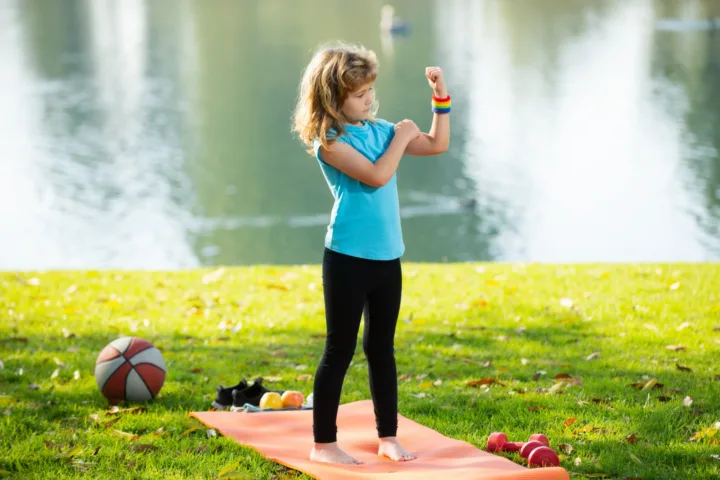
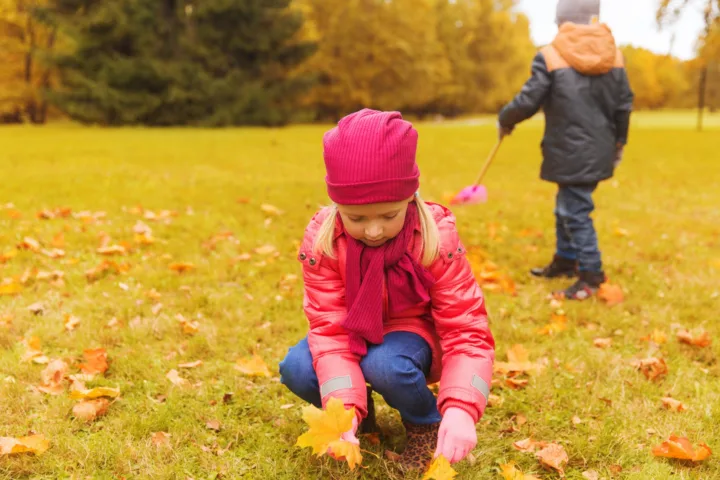
Summer hits and the kids start bouncing off the walls. I have lived through enough of those long, hot days to know that 14 kids summer activities outdoor options can turn restless energy into actual fun. My own crew used to beg for screens the second the temperature climbed. I got tired of the fights. So I started testing simple outdoor ideas that required almost no money and zero special skills. These are the ones that stuck.
Why This List of 14 Kids Summer Activities Outdoor Works
I picked every activity on this list after watching what actually held my kids’ attention for more than ten minutes. Cost stayed low. Setup stayed quick. Most of these work in a regular backyard or the nearest park. I skipped anything that needed fancy gear or perfect weather. If it failed the “will they still care after the first five minutes” test, it did not make the cut. Honestly? These are the keepers that survived real summer chaos.
1. Nature Scavenger Hunt: The Instant Adventure
I print a simple list of ten things to find: a smooth rock, a feather, something red, a leaf bigger than your hand. Then I hand it over and set them loose in the yard or a local trail. The hunt itself becomes the game. Kids move. They notice details. They argue over whether a stick counts as “interesting.”
Last summer my youngest spent forty minutes convinced a certain leaf was magical. She was wrong. She still talks about it. The only downside is that some kids get frustrated if they cannot find every item. I always add two free spaces for anything they discover on their own. That fix works every time.
Hand them a list and watch them disappear into the yard.
2. Water Balloon Battles: Pure Summer Chaos
Fill a bucket. Line up the balloons. Give the signal. Water balloons deliver instant cooling and pure mayhem. I keep the rules loose: no aiming at faces, no throwing at the dog. Everything else is fair game. The splash factor is what keeps them coming back.
I once watched my kids and the neighbor crew go through three bags of balloons in under an hour. They came inside soaked and happy. The cleanup is the only real cost. Broken balloon bits stick to everything. I keep a trash bag nearby and make the kids help collect the pieces. Worth it every single time.
Grab the balloons. Prepare to get wet.
3. Backyard Campout: Adventure Without Leaving Home
Pitch a tent or throw blankets over chairs. Pack flashlights, snacks, and sleeping bags. The overnight magic hits harder than any hotel. Kids feel like explorers even though the bathroom sits twenty steps away.
My first backyard campout ended with one child scared of every night sound and another begging to sleep outside for a week. I stay close the first night. After that they own it. The only trade-off is morning dew and the occasional early wake-up call from birds. Still better than packed campsites.
Set up the tent before dinner. Let the night take over.
4. Bike Adventures: Freedom on Two Wheels
I map a short loop around the neighborhood or to a nearby park. Helmets go on. Snacks go in the basket. The open-road feeling changes everything. Kids who complain about walking will pedal for miles without a single complaint.
One afternoon we rode to the ice cream shop two miles away. They talked about that ride for weeks. The caveat is traffic. I stick to quiet streets or trails when possible. Flat tires happen. I carry a basic patch kit now. Lesson learned the hard way.
Helmets first. Then hit the pavement.
5. Homemade Obstacle Course: Backyard Olympics
I use what I already own: cones from the garage, a jump rope, pool noodles, a cardboard box tunnel. Kids race through the stations while I time them. The challenge element keeps them focused and competitive in a good way.
My kids redesigned the course three times in one afternoon. They added a water station and a balance beam made from a 2×4. The only real downside is that younger kids may need simpler stations. I always build two difficulty levels. That keeps everyone moving.
Build it once. Watch them rebuild it better.
6. Starting a Vegetable Garden: Dirt and Ownership
I give each child a small plot or a few containers. They choose the seeds. They water. They check for sprouts every morning. The growing process teaches patience without lectures.
Cherry tomatoes and radishes work best for quick wins. My oldest still remembers the day we ate the first cucumber she grew. Some plants die. That happens. I treat it as part of the lesson instead of a failure. Dirt under the nails is the only guaranteed result.
Hand them seeds and a watering can. Step back.
7. Sidewalk Chalk Masterpieces: Art That Washes Away
A few boxes of chalk turn the driveway into a gallery. Kids draw roads, hopscotch boards, giant murals, or made-up maps. The temporary nature of chalk removes the pressure. Nothing has to be perfect.
I have watched quiet kids spend an entire afternoon creating chalk cities. Rain eventually erases everything. That is half the fun. The only downside is stained knees and the occasional argument over who draws the biggest sun. I set a “share the driveway” rule early.
Break out the chalk. Let the pavement become the canvas.
8. Firefly Catching: Magic After Dark
When the sun drops, I hand out jars with air holes. Kids chase the blinking lights across the yard. The gentle hunt feels different from daytime play. Everything slows down.
I still remember the first time my daughter caught one and just stared at it for a full minute. We always release them after a short look. The only real limit is bedtime. Some nights they beg for “five more minutes” that turn into twenty. I allow it more often than I should.
Wait for the first flash. Then join the chase.
9. Family Picnics: Simple Food, Big Reset
I pack sandwiches, fruit, and a blanket. We head to the nearest park or even the backyard. The change of scenery for a meal does more than I expected. Kids eat better outside. They talk more.
One of our best afternoons involved zero plans beyond the picnic basket. They played while I read. The only downside is ants. I learned to bring a second blanket and keep food covered. Still one of the easiest wins on this list.
Pack the food. Leave the phones inside.
10. Flying Kites: Wind and Patience
I keep a couple of simple diamond kites ready. On a breezy day we head to an open field. The lift-off moment never gets old. Kids learn to run, to wait, to adjust the string.
My youngest spent twenty minutes just watching her kite dance before she even tried to fly it herself. Tangled string happens. I carry scissors now. Windy days are best, but even light breezes work with the right kite.
Find an open space. Let the wind do the rest.
11. Fort Building: Imagination Headquarters
I dump a pile of sheets, clothespins, and chairs in the yard. Kids take over. The creation process becomes the entire activity. Some forts last ten minutes. Others become multi-day projects.
Last year they built a fort that survived two days of light rain. They named it. They defended it. The only trade-off is laundry. Sheets get dirty. I accept that cost. Forts teach problem-solving better than most toys.
Drop the materials. Stay out of the way.
12. Outdoor Movie Night: Screens Done Right
I hang a white sheet or use a portable projector screen. Popcorn goes in bowls. Kids grab blankets. The shared experience under the stars changes how they watch. Conversation happens between scenes.
We have watched the same three movies three summers in a row. They still request them. Bugs show up. I keep citronella nearby. Weather can cancel plans. I always have a backup indoor option, but they prefer the outdoor version when it works.
Set up the screen before dark. Let the night begin.
13. Mud Kitchen Play: Messy Science
I set up an old table or cardboard boxes with pots, pans, and spoons. Kids mix dirt, water, leaves, and flowers. The sensory mess keeps them busy longer than almost anything else.
My kids once “cooked” for an entire afternoon and invited the neighbors to a mud feast. Cleanup takes longer. I keep a hose ready and accept that clothes will never look the same. The joy outweighs the dirt every time.
Provide the tools. Accept the mess.
14. Frisbee and Classic Outdoor Games: Instant Group Fun
I keep a frisbee, a soft ball, and a jump rope in a bin by the door. Tag, catch, relay races, or simple frisbee toss work with any number of kids. The zero-prep factor makes this the emergency option when energy spikes.
Some days the games last five minutes. Other days they invent new rules and play until dark. The only limit is space. I move to the park when the yard feels too small. Simple equipment never fails.
Grab the bin. Start moving.
How to Choose the Right Outdoor Activity for Your Kids
I match the activity to the energy level and the weather first. Hot days call for water or shade. Cooler evenings work for fireflies or movies. Younger kids need shorter, simpler setups. Older ones handle more complex challenges like obstacle courses or longer bike rides.
Common mistake: trying to force a big production every day. Kids burn out. I rotate three or four favorites and keep the rest as surprises. Another mistake is over-planning. Most of these work better when I set the stage and then step back.
If I had to pick only three for a whole summer, I would choose the scavenger hunt, water balloons, and backyard campout. Those three cover movement, cooling off, and that special outdoor magic. The rest fill in the gaps.
Frequently Asked Questions
What if my kids say they are bored of outdoor activities? I switch locations or add a small twist. Same scavenger hunt in a new park feels fresh. Honestly? A little boredom often leads to their best ideas.
Which of these 14 kids summer activities outdoor work best for younger children? Sidewalk chalk, mud kitchen, and water play win for the under-six crowd. They need less instruction and more freedom to explore.
How do I choose between water activities and nature ones? Look at the temperature and the mood. Hot and restless means water. Curious and calm means nature hunt or gardening.
Do I need special equipment for most of these? No. Most use items already in the house or cheap supplies from any store. I spent more on snacks than gear last summer.
What if the weather ruins the plan? I keep two flexible options ready. Sidewalk chalk moves to the garage floor. Fort building works under a covered porch. Adapt and keep going.
Summer does not have to mean constant entertainment on your part. These fourteen options give kids room to move, explore, and create while you stay mostly hands-off. I still use several of them every year. Some days work better than others. That is fine. The goal is simple: get them outside and let the rest happen.