
I built this list after years of watching my own kids bounce between boredom and overload the second we stepped outside. These 13 sensory outdoor activities solve that problem by using what nature already offers: textures underfoot, sounds in the trees, smells after rain. They keep bodies moving and brains regulated without screens or complicated setups.
Why These 13 Sensory Outdoor Activities Made My Cut
I picked these because they hit real sensory needs, not just the five classic ones. Proprioception and vestibular input matter just as much as touch or sound, and most of these deliver both. I tested them with my kids across seasons and different energy levels. Some require almost zero prep. Others take a little setup but repay it with longer independent play. I left out anything that demands constant adult hovering or leaves a mess that ruins the rest of the day. The ones here work in a backyard, a park, or even a short sidewalk stretch.
1. Barefoot Texture Walks: The Instant Grounding Tool
I start most outdoor sessions with this one. Kids kick off shoes and walk across grass, dirt, mulch, smooth stones, or damp pavement. The different surfaces feed the feet and the brain at the same time.
The standout part is how fast it resets a restless body. My youngest used to bounce off walls after school. Ten minutes of barefoot walking on uneven ground and he settled enough to focus on whatever came next. The only real trade-off is temperature. Hot pavement or cold mud can shut the whole thing down, so I keep a pair of thin socks ready as backup.
Honestly? This is the cheapest, most reliable activity I know. Do it first.
2. Mud Kitchen Play: Messy Work That Builds Focus
I set up a simple mud kitchen with old pots, spoons, and a water source near a dirt patch. Kids mix, pour, smash, and invent recipes. The tactile load is heavy in the best way.
What I love is the open-ended problem solving. They figure out consistency on their own. Too much water and the “soup” collapses. Too little and it cracks. That cause-and-effect loop keeps them engaged longer than most structured toys. The downside is the cleanup on clothes. I learned to keep a designated mud outfit by the back door.
See, the mess is the point. Lean into it and the play lasts.
3. Outdoor Water Sensory Play: Cool Input on Hot Days
I fill a plastic bin or use a shallow paddling pool with water, cups, funnels, and a few natural items like leaves or smooth rocks. Kids pour, splash, and experiment with temperature and flow.
The key feature is the vestibular bonus from leaning and reaching. It is not just tactile. My kids end up shifting their weight constantly, which feeds balance systems without them noticing. I watch for overstimulation on very hot days. A short session beats a long one that ends in tears.
This one turns a regular afternoon into something kids talk about later.
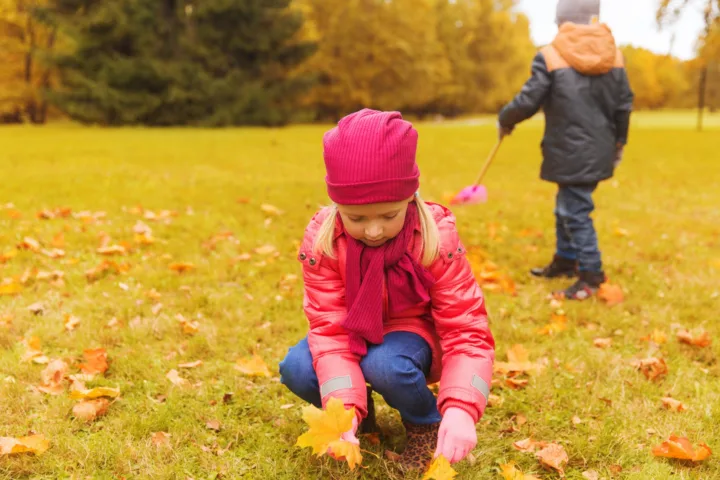
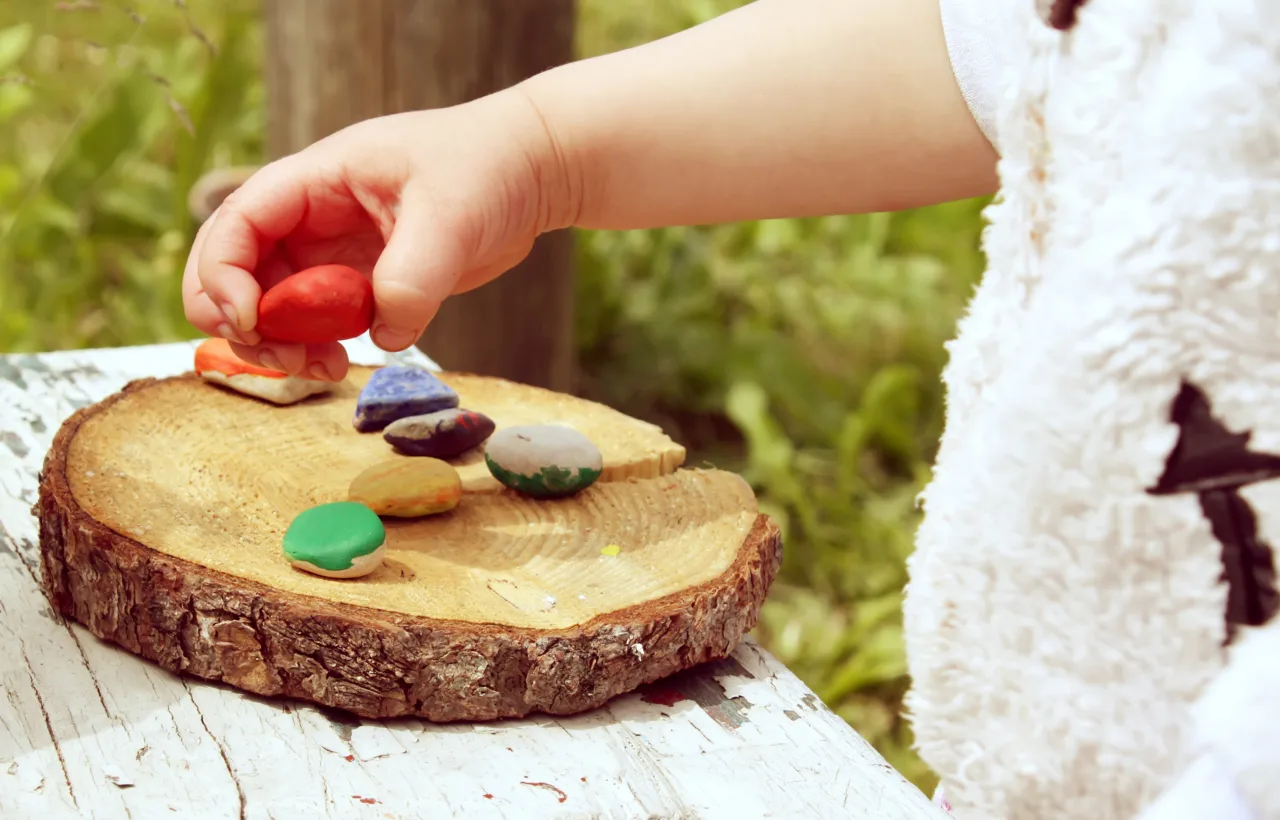
4. Nature Texture Scavenger Hunt: Hunting With Hands
I hand over a simple list or just say “find five different feels.” Smooth bark, rough rock, soft moss, prickly seed pod, fuzzy leaf. Kids collect or just touch and describe.
Bold the variety of input. Every surface is different, so the hands and brain stay busy. I once watched my daughter spend twenty minutes comparing two types of tree bark like it was a science lab. The only caveat is poison ivy or sharp edges. I do a quick scan of the area first.
Don’t sleep on this one when attention is short.
5. Color Walks With Paint Chips: Visual Hunting That Feels Like a Game
I grab free paint chips from the hardware store and we match them to leaves, flowers, dirt, or sky. Kids hunt for exact or close matches.
The real win is the focused looking. It slows the pace and trains observation without feeling like school. My son used to rush past everything. Now he stops to compare shades of green. Weather can limit the color range, so I keep a backup set of chips for gray days.
This activity teaches patience without ever saying the word.
6. Listening Walks and Sit Spots: Quiet Ears, Busy Brains
We walk a short path or sit still for five minutes and name every sound. Birds, wind, distant cars, leaves, insects. Sometimes I have them draw a quick sound map.
What stands out is the calm that follows. The quiet focus regulates the whole nervous system. I have used this after noisy indoor mornings and watched the energy drop in a good way. The trade-off is patience. Some kids need a few tries before they can sit still long enough.
Honestly? This one surprised me the most.
7. Scent Guessing Games: Nose Work in the Open Air
I gather safe items like pine needles, crushed herbs, flowers, or dirt and have kids close their eyes to guess. Or we just walk and stop to smell whatever is nearby.
The power is in the unexpected memory links. Smells stick. My kids still talk about the day we found a patch of mint by the fence. Safety matters here. I only use plants I know well and skip anything that could cause a reaction.
This is the activity that turns a regular walk into something memorable.
8. Hands-On Gardening: Dirt, Seeds, and Waiting
We dig small holes, plant seeds or seedlings, water them, and check progress over days. Even a few pots on a patio work.
The best part is the delayed reward mixed with immediate sensory input. Dirt under nails, the smell of soil, the feel of roots. Kids who struggle with waiting still get the tactile hit right away. The downside is the need for consistency. Plants die if you forget them, and that can frustrate younger kids.
I rate this high for long-term payoff.
9. Log and Rock Balancing: Feet That Think
I find low logs, wide rocks, or even a simple curb and let kids walk across, hop, or freeze in place. Arms out for balance.
This one loads the proprioceptive system hard. Kids feel their body in space. My daughter went from wobbly to confident in a few weeks of regular practice. Watch for height. Keep it low enough that a fall is no big deal.
Balance practice that feels like pure play.
10. Hill Rolling and Simple Swinging: Big Movement Input
We find a gentle grassy slope and roll down, or use a swing if one is available. Spinning, hanging upside down, or just pumping legs all count.
The vestibular hit is strong and usually calming after the first few turns. I have seen overstimulated kids settle after three good rolls. Motion sensitivity is real, so I start small and watch faces.
This is pure joy with a regulation bonus.
11. Bubble Adventures: Visual Tracking Plus Pop Power
I blow bubbles of different sizes and let kids chase, pop, or catch them. Sometimes we use the big wand for giant ones.
What makes it work is the combination of visual tracking and the light tactile pop. Kids run, stop, reach, and reset. Wind can scatter them too fast, so I pick sheltered spots when possible.
Simple tools, high engagement. FYI, the cheap bottles work fine.
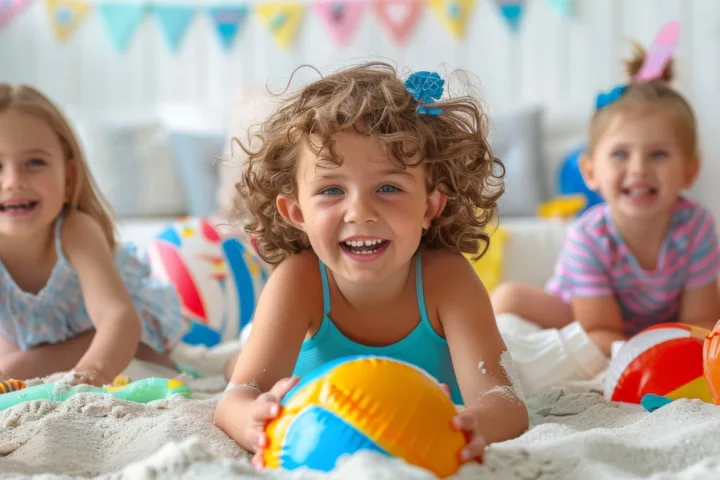
12. Outdoor Sand Digging and Building: Classic for a Reason
A sandbox or a sandy park area becomes a construction zone. Shovels, cups, sticks, and water for wet sand change everything.
The depth of play is what keeps me coming back. Dry sand and wet sand feel completely different. Kids experiment with structure and collapse without me saying a word. Sand in shoes is the ongoing tax. I accept it.
This never gets old for a reason.
13. Ice Block Excavation: Frozen Treasure Hunt
I freeze small toys, leaves, or flowers in a block of ice and set it outside. Kids use warm water, spoons, or just hands to free the items.
The temperature contrast is the standout sensory piece. Cold, melting, slippery, then the reveal. It works best on warmer days so the ice gives way at a good pace. The only downside is prep time the night before.
I save this for days when I need something novel.
How to Choose Among These 13 Sensory Outdoor Activities
Start with your child’s current state. High energy and crashing into furniture? Go for hill rolling, balancing, or barefoot walks first. Quiet but restless? Try scent games or listening walks. Short on time? Barefoot walks and bubble play need almost nothing. Want longer independent stretches? Mud kitchen, sand, or gardening usually win.
Common mistakes I made early: forcing a full list in one afternoon and ignoring weather. One strong activity beats five rushed ones. Watch for signs of overload. If a child starts covering ears or shutting down, switch to something quieter or end the session. Age matters less than readiness. Toddlers need closer supervision on balancing and ice work. Older kids can run longer scavenger hunts alone.
Personally I rotate three or four favorites each week and keep the rest in reserve. That variety keeps the novelty alive without constant new planning.
Frequently Asked Questions
What if my child refuses to get messy? Start with dry activities like color walks or sound hunts. Add water or mud later in small doses. Most kids warm up once they see you join in without pressure.
Which of these 13 sensory outdoor activities work best for beginners? Barefoot texture walks and bubble play. They require almost no setup and give quick sensory feedback. Build from there.
Do these help kids with sensory processing differences? Yes. Many of them provide the heavy work and varied input that occupational therapists often recommend. Always watch individual responses and adjust intensity.
How long should a session last? Fifteen to thirty minutes is plenty for most. Stop while it is still fun. You can always come back later the same day.
Can I do these in a small city yard or balcony? Most of them scale down. Potted plants replace full gardens. A plastic bin becomes the water or mud station. Sound and scent hunts work on a short sidewalk loop.
I keep coming back to these activities because they meet kids where they are instead of demanding they sit still and focus first. Nature does most of the heavy lifting. Your job is mainly to open the door and stay out of the way long enough for the senses to take over.