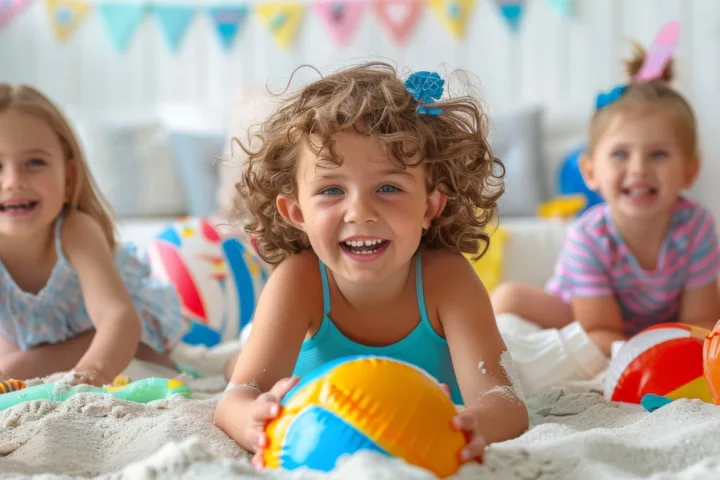

Rainy days with a toddler can feel endless. I know because I have lived through more of them than I can count. These 13 rainy day activities for toddlers indoor turned my most restless wet afternoons into something manageable and even fun. They use what you already have at home and skip the screens.
Why These Rainy Day Activities for Toddlers Indoor Made My List
I picked every idea here after years of trial and error with my own energetic toddler. The criteria stayed simple: low prep, high engagement, and zero need for special gear. I also favored activities that burn energy or build calm focus, because both matter when the weather traps you inside.
Honestly? The ones that survived my cut are the ones my kid actually returned to again and again. See, I left out anything that required a Pinterest-perfect setup or ended in tears over cleanup. This list stays practical.
You get variety without overwhelm. Movement, sensory, pretend, and quiet options all sit side by side so you can rotate as attention shifts.
1. Blanket Fort: The Instant Cozy Hideout
I throw a sheet over the kitchen table or drape blankets across chairs and call it done. Pillows go inside. A flashlight and a couple of books complete the setup. My toddler crawls in and stays for a surprising stretch of time.
The best part is how little effort it takes from me. I can sit nearby with coffee while the fort becomes a spaceship, a cave, or a secret snack room. One rainy Saturday the fort lasted through lunch and two storybooks.
Caveat: it collapses sometimes. That just becomes part of the play. Rebuild and keep going.
Forts buy you quiet minutes when you need them most.
2. Pillow Obstacle Course: Pure Energy Burn
I pull every couch cushion and throw pillow onto the floor. Then I add a low tunnel made from chairs and a blanket. The path becomes crawl, climb, jump, and roll.
My toddler once spent nearly an hour looping the same course. I timed it. The standout feature is how fast it burns restless energy. You watch the wiggles leave the body in real time.
I join for a few rounds and then step back. The course works even better when I call out silly challenges like “crawl like a bear” or “jump like a frog.” Just keep the path clear of hard edges.
This one saves naps. Every single time.
3. Dry Pasta Sensory Bin: Calm in a Container
I pour dry pasta into a wide shallow bin. Measuring cups, spoons, and a few small bowls go in next. That is the whole setup.
The key win is the way it holds attention. Scooping, pouring, and listening to the pasta rattle keeps little hands busy and minds focused. I have watched my toddler stay at the bin longer than any toy.
I put a towel underneath for easy cleanup. Rice works the same way if pasta feels too noisy. Either option turns a restless stretch into something almost peaceful.
Simple materials, big payoff.
4. Balloon Keepy-Uppy: Active Fun Without the Crash
I blow up one balloon and we try to keep it from touching the floor. That is the entire game.
The magic sits in how light and slow the balloon moves. Toddlers can chase it without the wild crashes that come with balls. We have played this in the hallway for twenty minutes straight.
Sometimes I add a second balloon. Chaos rises, but the laughter rises with it. Soft landings only. No furniture wrestling needed.
This one feels like outdoor play without leaving the house.
5. Freeze Dance Party: Silly Movement That Resets Moods
I put on a playlist and we dance until I pause the music. Everyone freezes. Then we go again.
The real power is the combination of movement and listening. My toddler learns to stop on cue while still getting the wiggles out. Kitchen floors work fine. Living rooms work better.
I keep the songs short and the freezes dramatic. One rainy morning the freeze poses turned into a full comedy show. Moods improved fast.
Music plus movement equals fewer meltdowns.
6. Big Paper Mural: Controlled Creative Mess
I tape a large sheet of paper to the wall or floor. Washable crayons or finger paints go next to it. The toddler gets full permission to cover every inch.
The standout reason this works is the size. Small paper frustrates. Big paper invites big sweeps of the arm. I have watched quiet concentration settle in within minutes.
Cleanup stays simple if I choose the right supplies and cover the floor. The finished mural becomes a temporary gallery on the fridge.
Big canvas, happy artist.
7. Homemade Playdough: Tactile Focus That Lasts
I mix flour, salt, water, and a bit of oil into a soft dough. Food coloring is optional. Once it cools, the play begins.
The best feature is the open-ended nature. Rolling, squishing, and poking keep hands moving and minds quiet. My toddler returns to the same batch for days.
I supervise closely because toddlers explore with their mouths. The ingredients stay basic and non-toxic in small amounts, but the dough is for play, not snacks. Cookie cutters or a plastic knife add extra interest.
This one earns its permanent spot in the rainy-day rotation.
8. Sink Water Pouring Station: Everyday Science Play
I fill the kitchen sink with a few inches of water. Measuring cups, plastic containers, and a small towel nearby complete the station.
The core appeal is the pouring and spilling. Toddlers learn volume and cause-and-effect while staying in one contained spot. I have used this setup during the longest afternoon storms.
A swimsuit or just clothes that can get wet makes the whole thing easier. Warm water feels nicer than cold. The mess stays right at the sink.
Water play never gets old.
9. Color Scavenger Hunt: Searching With Purpose
I name one color and send my toddler hunting for matching items around the house. Red socks, blue blocks, yellow cars. Everything goes into a basket.
The winning detail is how it combines movement and focus. The search burns energy while the sorting builds early learning skills. We have turned it into a timed challenge on the rainiest days.
I keep the list short for younger toddlers. Older ones can handle two colors at once. The house becomes the playground.
Simple prompt, long engagement.
10. Pretend Restaurant: Imagination That Runs Itself
I set out a few plates, plastic food, and a notepad. Suddenly the living room becomes a restaurant and I become the customer.
The true strength sits in how little direction it needs once it starts. My toddler takes orders, “cooks,” and delivers meals with full seriousness. I have eaten imaginary pizza more times than I can count.
Props stay minimal. A towel becomes a tablecloth. Stuffed animals become other diners. The play stretches longer when I stay in character.
Pretend play buys real minutes of independence.
11. Cardboard Box Creations: Open-Ended Building
I save a couple of shipping boxes and bring them out when the rain starts. Markers, tape, and scissors (for me) turn them into cars, houses, or tunnels.
The biggest advantage is the blank slate. Toddlers decide what the box becomes. One afternoon a single box became a rocket, then a cave, then a mailbox.
I cut windows or doors only when asked. The less I direct, the longer the play lasts. Recycling day supplies the materials for free.
Boxes beat most toys for pure invention.
12. Kitchen Orchestra: Joyful Noise With Purpose
I hand over wooden spoons and a few pots or pans. The living room or kitchen becomes a band.
The key reason this lands so well is the permission to make noise. Rainy days already feel loud inside. Channeling that energy into deliberate banging feels better than fighting it. We have held full concerts with concert tickets drawn on scrap paper.
I join for a few songs and then become the audience. Volume stays high, but the activity stays contained. Earplugs optional.
Noise with structure beats random chaos.
13. Animal Movement Game: Stretch and Laugh
I call out animals and we move like them. Crawl like a bear. Hop like a frog. Stomp like an elephant. Stretch like a cat.
The standout quality is the mix of gross motor work and silliness. My toddler gets the body moving while practicing balance and listening. We have used this as a transition between louder activities and quieter ones.
No equipment required. Just space and willingness to look ridiculous. The laughter comes free.
Movement plus imagination equals a solid reset.
How to Choose Among These Rainy Day Options
I match the activity to the energy level in the room. High-energy mornings get the obstacle course, balloon keepy-uppy, or freeze dance. When focus starts to fray, I switch to the sensory bin, playdough, or water pouring. Pretend play and the fort work best when everyone needs a softer stretch of time.
Common mistake: trying to force one activity too long. Toddlers shift fast. I keep two or three options ready and rotate without apology. Another mistake is over-prepping. The best days happen when I use what is already in the house.
Personally I reach for the pillow obstacle course and the sensory bin most often. They cover the two biggest needs: burn the energy and then settle the mind. The fort is my secret weapon for the late afternoon slump.
Watch your own toddler for five minutes. The body language tells you what is needed next. Trust that more than any perfect plan.
Frequently Asked Questions
What if my toddler loses interest after five minutes? That is normal. Rotate to the next activity on the list without pressure. Short sessions still count.
Which of these 13 rainy day activities for toddlers indoor works best for a high-energy child? Start with the pillow obstacle course or balloon keepy-uppy. Both burn energy fast and need almost no setup.
Do I need special supplies for most of these? No. Nearly everything uses blankets, pillows, kitchen items, or recycling. The point is low barrier.
How do I keep the mess manageable? Choose one messy activity per day and contain it. Towels under sensory bins and washable supplies for art make cleanup realistic.
Can these activities work for mixed ages? Yes. Older kids can help set up the fort or design the obstacle course. Younger ones still get full value from the simpler versions.
Rainy days used to drain me. Now I treat them as a chance to pull out the same reliable tools. The list above has carried me through more wet weeks than I expected. Pick one activity, start simple, and let the afternoon unfold from there. Your toddler will show you what works next.