I spent months watching my toddler bounce off the walls indoors before I committed to real outdoor time. These 13 outdoor activities for 2yrs old turned our days around. They need almost no gear, burn energy fast, and match how a two-year-old actually explores.
Why This List of Outdoor Activities for 2-Year-Olds Works
I picked every idea here after testing dozens with my own kid and watching what stuck. The criteria stayed simple: low setup, free or nearly free materials, and real developmental payoff in motor skills, sensory input, and curiosity. I skipped anything that required fancy toys or long attention spans. These activities scale to a tiny yard, a sidewalk, or a local park. They also keep the mess outside where it belongs. Honestly? That last part alone makes them winners for me.
1. Sidewalk Chalk Obstacle Course: Draw It, Then Move Through It
I grab a fat stick of chalk and sketch boxes, arrows, and swirls right on the driveway. My two-year-old jumps into the boxes, runs the arrows, and spins on the swirls. The whole thing takes five minutes to draw and holds attention far longer than I expect.
Fine motor practice happens while he grips the chalk and scribbles his own lines. Gross motor work kicks in the second he starts moving. I stay close because balance is still wobbly at this age. The trade-off is real: chalk dust ends up everywhere, and rain washes the course away overnight. Still worth it.
Try this the next sunny morning. Your toddler will ask for more arrows.
2. Nature Treasure Hunt: Collect Five Things That Feel Different
I hand over a small bucket and say, “Find five things that feel different.” Leaves, smooth rocks, rough bark, soft moss, and a stick usually fill it fast. We sit on the grass and sort them together by texture or size.
This builds observation skills without any pressure. My kid once brought me a feather and a pinecone on the same day and talked about both for ten straight minutes. The only real caveat is watching for anything sharp or poisonous. I check every item before it goes in the bucket.
Keep the list short. Five items is plenty at this age.
3. Water Pouring Station: Cups, Scoops, and Endless Splashing
I fill a shallow tub or old plastic bin with a few inches of water. Then I toss in measuring cups, a small pitcher, and a funnel. My toddler pours, spills, and refills for ages. On hot days this becomes the main event.
Cause-and-effect learning shows up every time water moves from one container to another. Fine motor muscles get a solid workout too. The downside is obvious: soaked clothes and a wet patio. I keep a towel nearby and accept the mess.
Set this up once and you will reuse it all summer.
4. Bubble Chasing: Simple, Fast, and Surprisingly Intense
I blow a stream of bubbles and let my two-year-old chase and pop them. Sometimes I use a wand with a bigger handle so he can try blowing too. The coordination needed to track a floating bubble and clap it is perfect for this age.
I love how little equipment this needs. One bottle lasts weeks. The honest limit is wind. On breezy days the bubbles disappear too fast and frustration creeps in. Still, on calm afternoons this activity resets a cranky mood in under two minutes.
Blow a big batch right before snack time. You will thank me.
5. Mud Kitchen Adventures: Dirt, Water, and Pretend Cooking
I clear a corner of the yard, add a few old pots and spoons, and let the dirt and water do the rest. My toddler mixes “soup,” pats “cakes,” and decorates them with leaves or pebbles. The sensory hit is huge.
This one supports imaginative play better than most store-bought toys. The trade-off is laundry. Mud stains everything. I keep an old shirt just for mud days and hose feet off before we come inside.
Do not overthink the setup. Dirt and water are enough.
6. Watering the Plants: Tiny Can, Big Responsibility
I fill a small watering can halfway and walk the garden with my kid. He waters the flowers, the herbs, and sometimes the sidewalk by accident. Watching a plant he watered yesterday still stand tall feels like magic to him.
Responsibility and patience grow here in quiet ways. The only catch is overwatering. I guide the amount so roots stay happy. This activity works year-round if you keep a few pots near the door.
Hand over the can and step back. He will take it seriously.
7. DIY Backyard Obstacle Course: Boxes, Pillows, and Crawl Spaces
I line up a cardboard box to crawl through, a couple of soft cushions to climb over, and a low board to walk along. My two-year-old runs the course, then invents new rules on the second lap.
Gross motor skills and confidence both jump. I stay right there because falls still happen. The setup takes longer than chalk, so I only build it on days when I have extra patience. Once built, though, it gets used hard.
Change one piece each time. Novelty keeps it fresh.
8. Sandbox Digging and Filling: Classic for a Reason
A simple sandbox or even a large tub of sand becomes a full afternoon. My toddler digs tunnels, fills buckets, and dumps them out again. Adding a few scoops and a dump truck extends the play.
Fine motor strength and spatial awareness both improve here. The downside is sand tracking indoors no matter how careful you are. I keep a brush by the door and accept the trail.
This is the activity I reach for when I need thirty quiet minutes.
9. Bug and Critter Watching: Slow Down and Look Closely
We sit near a flower bed or under a tree and watch ants, beetles, or worms move. I name what we see and talk about how they walk or carry things. No touching required.
Curiosity and calm focus show up together. My kid once spent twenty minutes following one ant trail. The caveat is insects that sting or bite. I teach “look with eyes only” early and stay alert.
Bring a magnifying glass if you have one. It is optional but fun.
10. Rolling and Kicking a Soft Ball: Back and Forth Play
I sit on the grass a few feet away and roll a soft ball to my toddler. He pushes it back or tries a kick. We add gentle throws once balance improves.
Turn-taking and hand-eye coordination grow without any pressure. The only real limit is space. A small yard still works if you keep the distance short. This activity also burns energy faster than it looks.
Start seated. Standing comes naturally once he is ready.
11. Puddle Stomping or Sprinkler Runs: Embrace the Splash
After rain I put on rain boots and we hunt for puddles. On hot days I turn on a sprinkler and let him run through. The pure joy is unmatched.
Sensory input and full-body movement combine here. Clothes get soaked. I plan for that and keep dry ones ready. This is the activity that always ends with the best naps.
Wait for the right weather and lean into the mess.
12. Outdoor Picnic with Pretend Play: Blanket, Snacks, and Stories
I spread a blanket under a tree, pack simple snacks, and bring a couple of toy animals or cars. We eat, then play. Sometimes the toys have their own picnic.
Social language and calm connection both improve. The honest downside is ants or sudden weather changes. I keep the picnic short and flexible.
This one feels special even when everything else is ordinary.
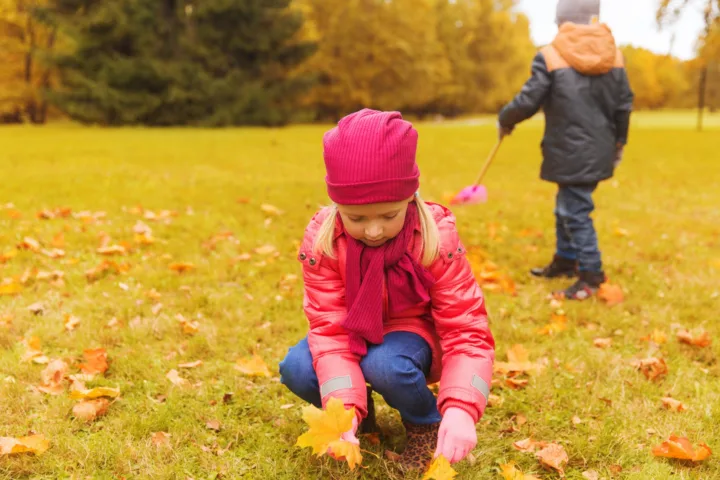
13. Collecting and Sorting Nature Finds: Sticks, Leaves, Rocks
We gather a handful of sticks, leaves, and rocks, then sort them by size, color, or type on the sidewalk. My toddler decides the categories most days.
This builds early math thinking and vocabulary in a natural way. The only caution is keeping small items away from mouths. I supervise the whole time.
End the session by putting everything back or in a special “nature box” at home.
How to Choose the Right Outdoor Activities for Your 2-Year-Old
I start with energy level and weather. High-energy days get obstacle courses or ball play. Hot days lean toward water or bubbles. I also watch what my toddler reaches for first. If he grabs the chalk, we stay with art. If he heads for the dirt, mud kitchen wins.
Common mistakes I made early on: offering too many options at once and expecting long focus. Two-year-olds do best with one clear invitation and the freedom to quit when interest fades. Safety stays non-negotiable. I clear the space of sharp sticks, check for ants or bees, and stay within arm’s reach during climbing or water play.
My personal favorites for almost every day are the nature treasure hunt and the water pouring station. They need almost nothing and deliver the most consistent engagement. Rotate a few of these thirteen and you will cover motor skills, sensory needs, and pure outdoor joy without buying a single new toy.
Frequently Asked Questions
What are the best outdoor activities for 2-year-olds who get bored quickly? Short, open-ended ones like bubble chasing or a five-item nature hunt work best. Keep sessions under fifteen minutes and follow your child’s lead.
How do I choose between water play and chalk activities? Pick water on warm days when mess is easy to rinse off. Choose chalk when you want quieter fine-motor focus and less cleanup.
Are these 13 outdoor activities for 2yrs old safe without constant supervision? No. Stay close for every single one. Toddlers still put things in their mouths and lose balance without warning.
What if we only have a tiny balcony or sidewalk? Sidewalk chalk, bubble chasing, and a small water bin still work. Scale the space and the activity stays the same.
How often should I take my 2-year-old outside for these activities? Daily if weather allows. Even twenty minutes of outdoor movement improves sleep, mood, and focus for most toddlers.
I keep a short mental list of these activities on my phone. On days when energy is low and screens feel tempting, I pick one and head out the door. My toddler comes back dirtier, happier, and ready for a real nap. That alone makes every muddy footprint worth it.