I spent years watching little ones glaze over indoors and light up the second their feet hit grass. These 13 early years outdoor activities grew out of that daily reality. They need almost nothing extra and still deliver the movement, sensory input, and quiet focus toddlers and preschoolers crave.
Why These 13 Early Years Outdoor Activities Made My List
I chose every one of these because they work with real kids in real yards, parks, or even apartment courtyards. No perfect weather required. No specialty kits. I looked for activities that build gross motor strength, fine motor control, and early science thinking at the same time. I also wanted ones that let me step back instead of hovering the whole time. Honestly? The ones that survived my own impatient testing days made the cut.
1. Nature Color Hunt: The Instant Focus Reset
I grab a small basket and name three colors. Then we walk. Kids scan leaves, petals, stones, and even discarded bottle caps. The hunt slows them down without me saying “slow down.”
Bold color matching turns a regular stroll into real observation practice. One afternoon my niece found seven different greens in a single patch of grass. She still talks about it.
The only trade-off is that some kids want to collect everything. I set a clear “three of each color” limit before we start. That keeps the basket light and the focus sharp.
Try it once and you’ll see why this stays in my weekly rotation.
2. Sidewalk Chalk Obstacle Course: Movement With a Mission
I draw a simple path: hop circles, balance lines, spin spirals, and a finish square. Kids invent their own rules within minutes. I love how quickly the course becomes theirs.
Gross motor practice happens without anyone calling it exercise. Balance, coordination, and direction-following all show up naturally. On rainy days I just redraw the whole thing bigger once the pavement dries.
Caveat: chalk dust sticks to everything. I keep a damp cloth nearby and accept that sneakers will look dusty by the end.
This one turns restless energy into something useful every single time.
3. Classic Water Play: The Ultimate Sensory Dive
I fill a shallow tub or even a big mixing bowl with water and hand over cups, funnels, and spoons. That’s it. Scooping, pouring, and splashing can hold attention longer than most screens.
Open-ended pouring builds hand strength and early volume understanding without a single worksheet. I once watched a three-year-old spend forty minutes transferring water between two identical cups just to watch the levels change.
The mess is real. Towels and a change of clothes stay in the bag. Still worth it.
Don’t skip this simple classic. It earns its place every summer and most mild winters.
4. Mud Kitchen Magic: Mess That Builds Brains
I set out old pots, spoons, and a patch of dirt. Kids mix mud “soup,” decorate with leaves, and serve imaginary meals. The language that pours out of them still surprises me.
Sensory-rich pretend play supports storytelling, sharing, and fine motor control all at once. I keep the setup tiny: one low table or even a cardboard box on its side works.
Honest trade-off: clothes get stained. I use play clothes only and keep a rinse bucket ready. The learning payoff is too high to skip.
This activity teaches more than any clean craft I ever tried.
5. Bug Watching: Quiet Science in Real Time
We sit still near a flower bed or under a tree and just look. Ants, beetles, worms, and the occasional butterfly become the whole curriculum.
Calm observation teaches patience and respect for living things better than any lecture. I remind kids we watch with our eyes, not our hands. Most of the time that rule sticks after one gentle reminder.
Some kids get squirmy at first. I start with five-minute sessions and build up. The payoff is real wonder.
See a bug parade once and you’ll understand why this one stays on my list.
6. Gathering and Sorting: Nature’s Own Math Lesson
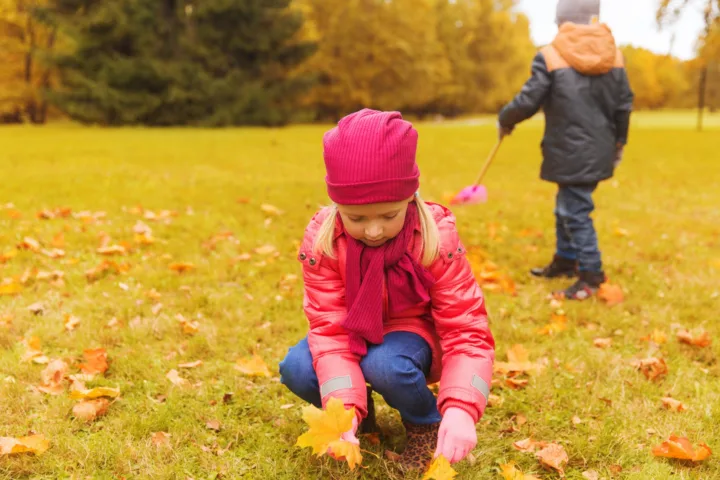
Kids fill a small bucket with sticks, leaves, stones, and seed pods. Then we sort. Big and small. Smooth and rough. Brown and green.
Hands-on classification sneaks in early math and science thinking without any flashcards. I once saw a four-year-old create three levels of stick size categories on his own. I just stayed quiet and watched.
The only limit I set is “leave living plants where they are.” Everything else is fair game.
This activity scales perfectly from toddlers to older preschoolers.
7. Bubble Chasing: Simple Joy With Hidden Skills
I mix a basic soap solution and hand over a wand. Kids chase, pop, and blow. The laughter is loud and the movement is constant.
Eye tracking and lung strength improve while everyone stays fully present. Homemade mix works fine and costs almost nothing. Store-bought works too when I’m tired.
Bubbles disappear fast, so the session stays short and sweet. That is actually a plus on busy days.
I reach for this one when energy is high and attention is low.
8. Animal Movement Adventures: Cardio Disguised as Play
We hop like frogs, stomp like elephants, and flap like birds across the grass. No props needed. Kids invent new animals within minutes.
Full-body movement builds coordination and gives big feelings a physical outlet. I join in for the first round so the silliness feels allowed. Then I step back and let them lead.
Some kids prefer quiet animals. I always offer both high-energy and slow options. Flexibility keeps everyone included.
This one requires zero setup and still delivers real physical benefits.
9. Shadow Play: Light Science on the Pavement
On a sunny day I point out our shadows and start making shapes. Kids copy, then invent. Tall, short, dancing, still.
Early light and shadow concepts land without any formal teaching. I once watched a child spend twenty minutes trying to step on her own shadow. The pure concentration was beautiful.
Clouds can interrupt the fun. I treat those days as practice in flexibility instead of disappointment.
Honestly? This activity still makes me smile every time.
10. Simple Leaf and Nature Prints: Art That Leaves a Mark
Kids collect a few interesting leaves, paint one side, and press them onto paper. The veins and shapes appear like magic.
Fine motor control and careful observation both get a workout. I use washable paint and scrap paper so the pressure stays low. The finished prints become instant keepsakes or gifts.
Some leaves tear easily. I teach gentle handling first and keep a few sturdy ones in reserve.
This quiet craft balances the louder activities on my list.
11. Follow-the-Leader Walks: Listening on the Move
I lead with different steps: giant, tiny, sideways, high knees. Kids copy. Then they take turns leading.
Listening skills and body awareness grow together. The activity works on sidewalks, trails, or even a short path around a playground. I keep the routes short so focus stays high.
Some children want to lead the entire time. Taking turns becomes the real lesson. I model fair switching early.
This one turns a regular walk into something memorable.
12. Mini Bird Feeder Moments: Quiet Connection to Wildlife
We spread peanut butter or sunflower butter on a pine cone, roll it in seeds, and hang it. Then we wait and watch.
Patience and care for animals develop naturally while kids notice different birds. I use a low branch so little hands can help hang it. The watching part often lasts longer than the making part.
Squirrels sometimes steal the show. I treat that as bonus entertainment rather than a problem.
This activity plants a seed of curiosity that can last for years.
13. Fort Building With Sticks: Architecture for Tiny Hands
Kids gather sticks and lean them against a fence, tree, or each other. Cloth or an old sheet turns the structure into a hideout.
Problem-solving and collaboration show up without any adult script. I stay nearby for safety but let the design decisions stay theirs. Collapses happen. We rebuild. That cycle is half the point.
Large sticks can be heavy. I help with the biggest ones and keep the rest child-sized.
This open-ended building time still ranks among my favorites.
How to Choose Among These 13 Early Years Outdoor Activities
I match the activity to the day’s energy and weather more than to any perfect schedule. High-energy kids get the obstacle course or animal movements first. Quiet days call for bug watching or shadow play. Messy moods land on mud kitchen or water play. I keep a mental short list of three backups so I never scramble.
Common mistake I still catch myself making: packing too many materials. The activities that need the least stuff almost always last the longest. Another trap is forcing a full twenty-minute session. Five focused minutes beat fifteen half-hearted ones every time.
If I could only keep three, I would pick nature color hunts, water play, and mud kitchen. They cover observation, sensory input, and imaginative play with almost zero prep. The rest rotate in when the mood or the weather asks for them.
Frequently Asked Questions
What if I only have a small balcony or courtyard? Most of these work in tight spaces. Sidewalk chalk, water play in a tub, shadow play, and even mini sorting all fit. I just scale the materials down.
How do I choose the best activity for a rainy day? I move water play under a porch or do indoor-outdoor hybrids like sorting collections we already gathered. The spirit stays the same even if the location shifts.
Are these 13 early years outdoor activities safe for toddlers under three? Yes, with simple adjustments. I stay closer, use larger pieces, and skip small seeds or tiny sticks. Supervision stays non-negotiable at every age.
What if my child refuses to try something new? I join in first without pressure. Modeling the fun almost always works better than persuasion. Some days they watch for a long time before joining. That is still progress.
How often should I rotate these activities? I aim for variety across a week rather than daily novelty. Repeating a favorite three days in a row is fine. Kids learn deeply through repetition.
I keep coming back to these because they respect both the child’s need to move and my own limited energy. Outdoor time does not have to be elaborate to matter. Start with one activity this week. Watch what happens. Then add the next.