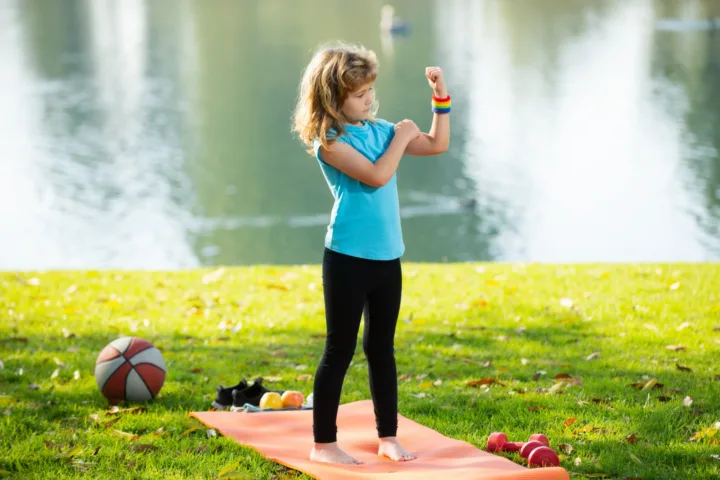
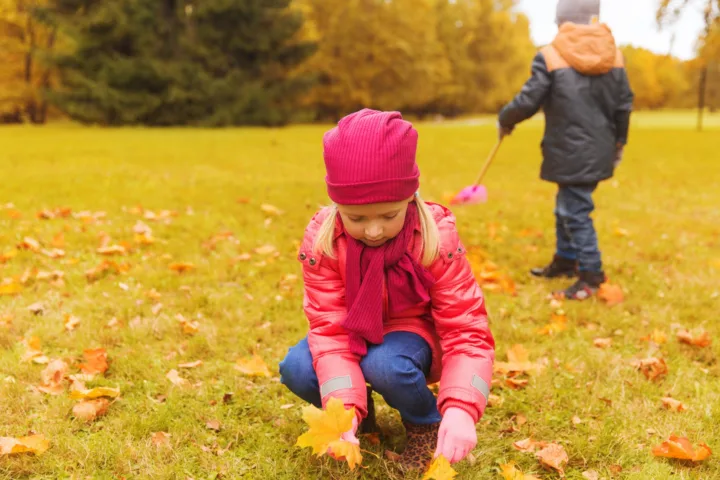
I pick outdoor Earth Day activities every year because sitting inside talking about the planet never sticks with me the way getting dirty does. These 12 outdoor Earth Day activities keep the day real, active, and useful. I have tried most of them myself over the years, some alone and some with friends or family, and they still work.
Why These 12 Outdoor Earth Day Activities Made My List
I chose these because they stay simple, cost little or nothing, and put you outside where the point of Earth Day lives. No fancy gear required. No lectures. Just actions that leave a mark you can see. I skipped anything that keeps you glued to a screen or stuck at a desk. Honestly? The ones that survive on this list are the ones I still do when the calendar hits April 22.
1. Go on a Nature Walk: The Easiest Way to Start
I lace up my shoes and walk out the door. That is the whole plan. A nature walk needs no map and no destination beyond the next interesting tree or patch of moss. I slow down on purpose. I notice the sound of wind in leaves and the smell after rain.
This one tops my list because it costs zero dollars and resets my head every single time. I have done it in city parks and on quiet back roads. The only real trade-off is weather. Rain can turn the path muddy, yet I still go. Mud washes off. A missed walk does not come back.
Key feature: pure sensory reset without any equipment. Get outside and walk. Everything else follows.
2. Host a Local Cleanup: Grab a Bag and Own Your Block
I fill a bag with trash that does not belong on the ground. Sidewalks, park edges, storm drains. I wear gloves and keep moving. One hour can fill two bags if the spot is neglected.
I rate this high because the results show up right away. You leave a cleaner place than you found. I once cleaned a short stretch of trail near my place and felt the difference the next morning when I walked it again. The caveat is volume. Some days the trash wins if the wind has blown hard. Still worth it.
Key feature: immediate visual proof that you changed something. Carry a bag. Leave the space better.
3. Plant a Tree: Leave Something That Outlives You
I dig a hole, set the sapling, and water it in. Native species work best where I live. I choose ones that support local birds and insects. The tree does the rest over decades.
This activity sticks with me because the payoff stretches far past one afternoon. I planted a small oak years ago and still check on it every spring. The honest downside is patience. You will not see a full canopy next week. You water, mulch, and wait.
Key feature: long-term carbon capture and habitat in one simple act. Pick a native tree. Give it a good start.
4. Organize a Nature Scavenger Hunt: Turn Looking into a Game
I write a short list before I leave: something rough, something soft, a feather, a seed, a smooth rock. Then I hunt. Kids love the challenge. Adults rediscover how much they miss when they rush.
I keep this on the list because it forces attention. You stop scanning and start seeing. One spring I found a perfect bird nest that I would have walked past otherwise. The only real limit is time. A rushed list feels forced. Give it thirty focused minutes.
Key feature: trained attention that turns ordinary ground into a puzzle. Make a short list. Start looking.
5. Start a Pollinator Garden: Feed the Bees Where You Live
I clear a small patch and plant native flowers that bloom across seasons. Milkweed, coneflower, goldenrod. Bees and butterflies show up once the blooms open.
This one matters to me because pollinators keep food systems running and they need real help. I started with three plants in a corner of the yard. Within a year the spot hummed. The trade-off is maintenance the first season. Weeds try to take over. Consistent weeding wins.
Key feature: direct support for the insects that make fruit and vegetables possible. Plant natives. Watch who arrives.
6. Build a DIY Bird Feeder: Invite Life to Your Yard
I coat a pinecone in peanut butter, roll it in seed, and hang it with string. Or I use an old bottle and a wooden spoon. Either way the birds find it fast.
I love this because the payoff is daily. Chickadees and finches become regular visitors. I sit with coffee and watch. The caveat is squirrels. They learn the game and raid the feeder. I accept the loss and refill.
Key feature: simple invitation that brings wild birds close enough to study. Hang it. Refill it. Enjoy the show.
7. Take a Bike Ride: Zero-Emission Movement That Feels Free
I pump the tires and ride. Trails, quiet streets, greenways. The air feels different when you move under your own power.
This activity ranks high for pure joy mixed with impact. No fuel burned. No traffic stress if you pick the right route. I once rode a ten-mile loop on Earth Day and came home clearer headed than any indoor meeting ever left me. The honest limit is hills or traffic. Choose flat and safe and the ride stays fun.
Key feature: movement that costs the planet almost nothing. Ride. Feel the air. Repeat.
8. Pack a No-Waste Picnic: Eat Outside Without the Trash
I pack food in reusable containers, cloth napkins, and a metal water bottle. Then I sit under a tree and eat. No plastic bags. No single-use forks.
I include this because it turns a simple meal into a quiet statement. The food tastes better outside. The cleanup is almost nothing. One windy day a napkin tried to escape and I chased it. Lesson learned: weight the corners.
Key feature: outdoor enjoyment that leaves zero trash behind. Pack reusables. Sit down. Eat well.
9. Try Bird Watching: Slow Down and Really See
I bring binoculars if I have them, or just my eyes. I find a quiet spot and wait. Songs, colors, flight patterns start to separate once I stop moving.
This one surprised me. I thought it required expertise. It does not. Patience is the real skill. I once spent twenty minutes watching a single robin work a lawn and learned more about focus than any productivity tip ever taught me. The downside is stillness. Some people get restless. Start with ten minutes.
Key feature: practiced stillness that reveals a whole layer of life. Sit. Watch. Let the birds teach the pace.
10. Catch a Sunrise or Sunset: Pause for Real Perspective
I set an alarm or clear the evening. I find an open view and stay until the light shifts. No phone. Just sky.
I keep this on the list because the scale resets me. Problems shrink when the sky puts on its daily show. I have watched both ends of the day and prefer sunset because the air cools and the colors last longer. The only catch is timing. Clouds can hide the best part. Go anyway.
Key feature: free daily reminder that the planet is bigger than any single worry. Show up for the light. Stay until it changes.
11. Create a Mini Wildlife Habitat: Give Critters a Corner
I pile a few logs, add a shallow water dish, and plant one native shrub. That is enough for insects, frogs, and small birds.
This activity feels permanent in a good way. Once the habitat settles, life moves in without further effort from me. I built one behind the garage and found a toad living there the next summer. The trade-off is space. Even a small yard works if you claim one quiet corner.
Key feature: permanent invitation that keeps working after you walk away. Pile, plant, and step back.
12. Journal or Sketch Outside: Capture What You Notice
I take a notebook and a pencil. I sit and write what I see or draw the shape of a leaf. No pressure for art quality. Just record.
I end with this because it locks the day in memory. Words or lines turn a walk into something you can revisit. One Earth Day I sketched a single oak branch and still remember the exact angle of the light. The only real limit is weather that makes paper wet. Keep a plastic sleeve handy.
Key feature: personal record that turns a single afternoon into lasting attention. Open the notebook. Write or draw what is right in front of you.
How to Choose Among These Outdoor Earth Day Activities
I match the activity to energy and time. Low energy days get the nature walk or the sunset. High energy days get the cleanup or the bike ride. If kids are involved I lean toward the scavenger hunt or the bird feeder. Solo days favor the journal or the quiet habitat work.
Common mistake: trying to do every single one in one afternoon. That turns celebration into a checklist. Pick two or three. Do them fully. Leave the rest for later weekends. I personally return to the cleanup and the tree planting most often because the results stay visible. The rest fill in the gaps and keep the spirit alive past April 22.
Frequently Asked Questions
What is the best outdoor Earth Day activity for beginners? Start with a short nature walk or a simple litter pickup near your home. Both need almost nothing and still deliver a clear sense of participation.
How do I choose among the 12 outdoor Earth Day activities if time is short? Pick the one that matches your available hour. A sunrise, a scavenger hunt, or a no-waste picnic each fit into sixty minutes without feeling rushed.
Do these activities work if I live in a city? Yes. Parks, sidewalks, rooftops, and community gardens all count. Urban cleanups and small container pollinator gardens prove the point every year.
Should I do these only on April 22? No. Earth Day is a useful reminder, but the same actions work any day the weather allows. I treat the date as a starting gun, not a finish line.
What if the weather is bad? Shift to the indoor planning side. Sketch your future garden or research native plants. Then go outside the next clear day and finish the job.
I keep coming back to these twelve because they turn care into motion. The planet does not need perfect plans. It needs people who step outside and act. Pick one. Start there. The rest will find you.